
by croatiaweek
September 8, 2026
in

What is currently considered an agricultural waste problem in Croatia could become an unexpected resource for more sustainable farming.
Scientists at the Institute of Agriculture and Tourism in Poreč are researching whether discarded sheep wool can be transformed into organic fertiliser, potentially providing a new use for a material that is currently difficult to dispose of.
Croatia produces around 900 tonnes of sheep wool each year, but much of it has nowhere to go after shearing because an organised system for collecting and managing the material is largely absent.
The result is that wool, which could potentially be a valuable natural resource, often becomes a burden for farmers.
Researchers in Poreč are examining a possible alternative through the project “Sheep Wool Pellets – Future Choice in Sustainable Vegetable Production”, known as InoBioPov.
The project investigates whether sheep wool can be processed into pellets and subsequently used as an organic fertiliser in vegetable production.
According to research published by the Institute of Agriculture and Tourism in Poreč. the wool-based pellets could provide plants with nutrients while also helping to retain moisture in the soil.
That could be particularly relevant as farmers face increasing pressure to reduce the use of synthetic fertilisers and adapt agricultural production to changing environmental conditions.

OPG Siljan (Photo: Institute of Agriculture and Tourism in Poreč)
The research is also examining how the material behaves when incorporated into vegetable-growing systems, including its effect on soil and plant development.
The idea is based on a relatively simple principle: instead of treating wool as waste after sheep are shorn, it could be processed into a useful agricultural input.
The project could therefore address two problems at once – waste management and the need for more sustainable agricultural practices.
The researchers’ work also highlights the potential for circular-economy solutions in Croatian agriculture, where materials traditionally considered waste can potentially be returned to productive use.
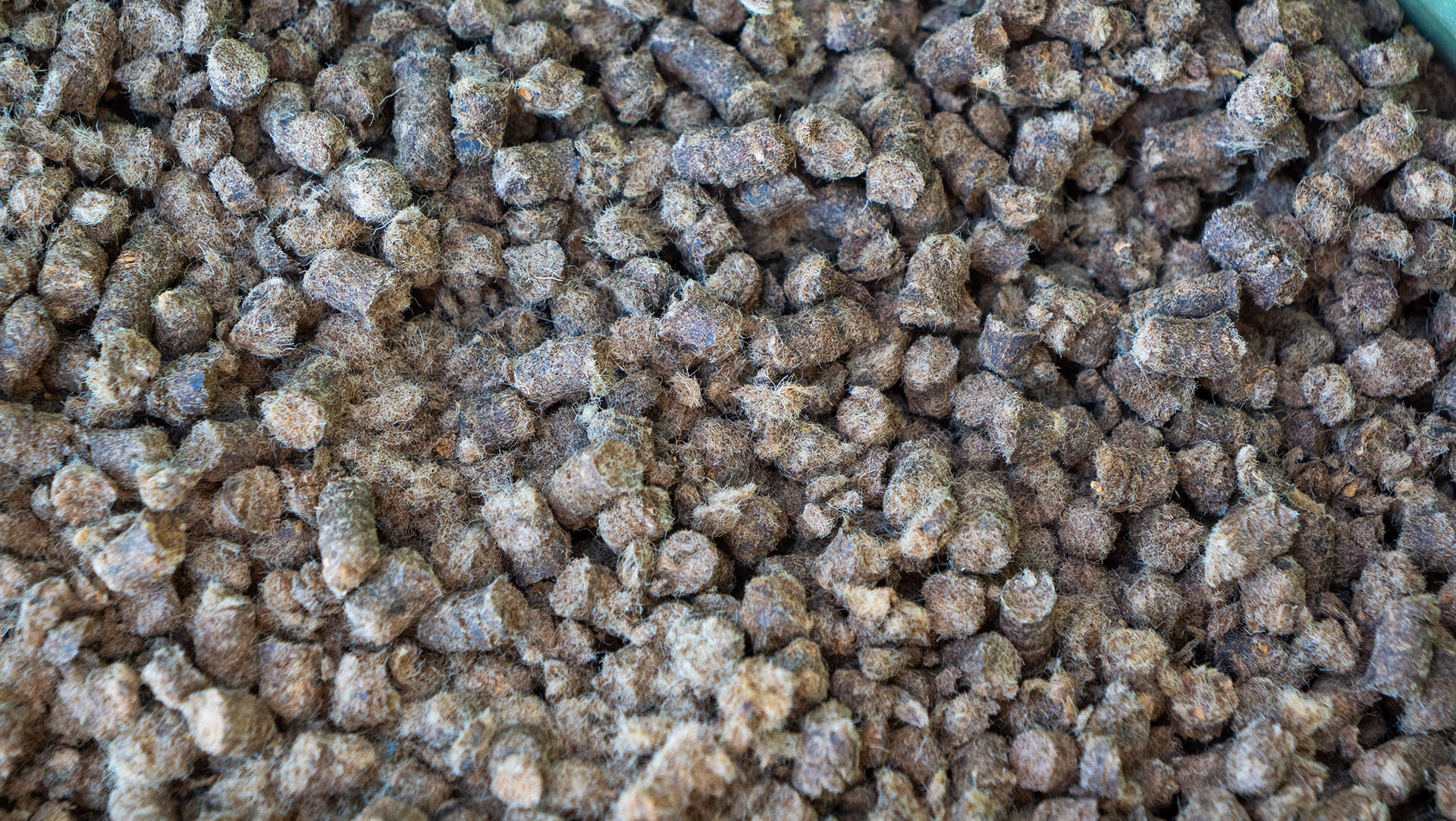
(Photo: Institute of Agriculture and Tourism in Poreč)
The project is being carried out in Poreč, an area with a strong agricultural and research tradition.
If the research confirms the benefits of wool pellets, the approach could offer farmers another natural option for improving soil management while giving sheep farmers a potential outlet for material that currently has limited commercial value.
For Croatia, where sheep farming remains an important part of rural life and agricultural production, finding a practical use for hundreds of tonnes of wool could provide both an environmental and economic benefit.