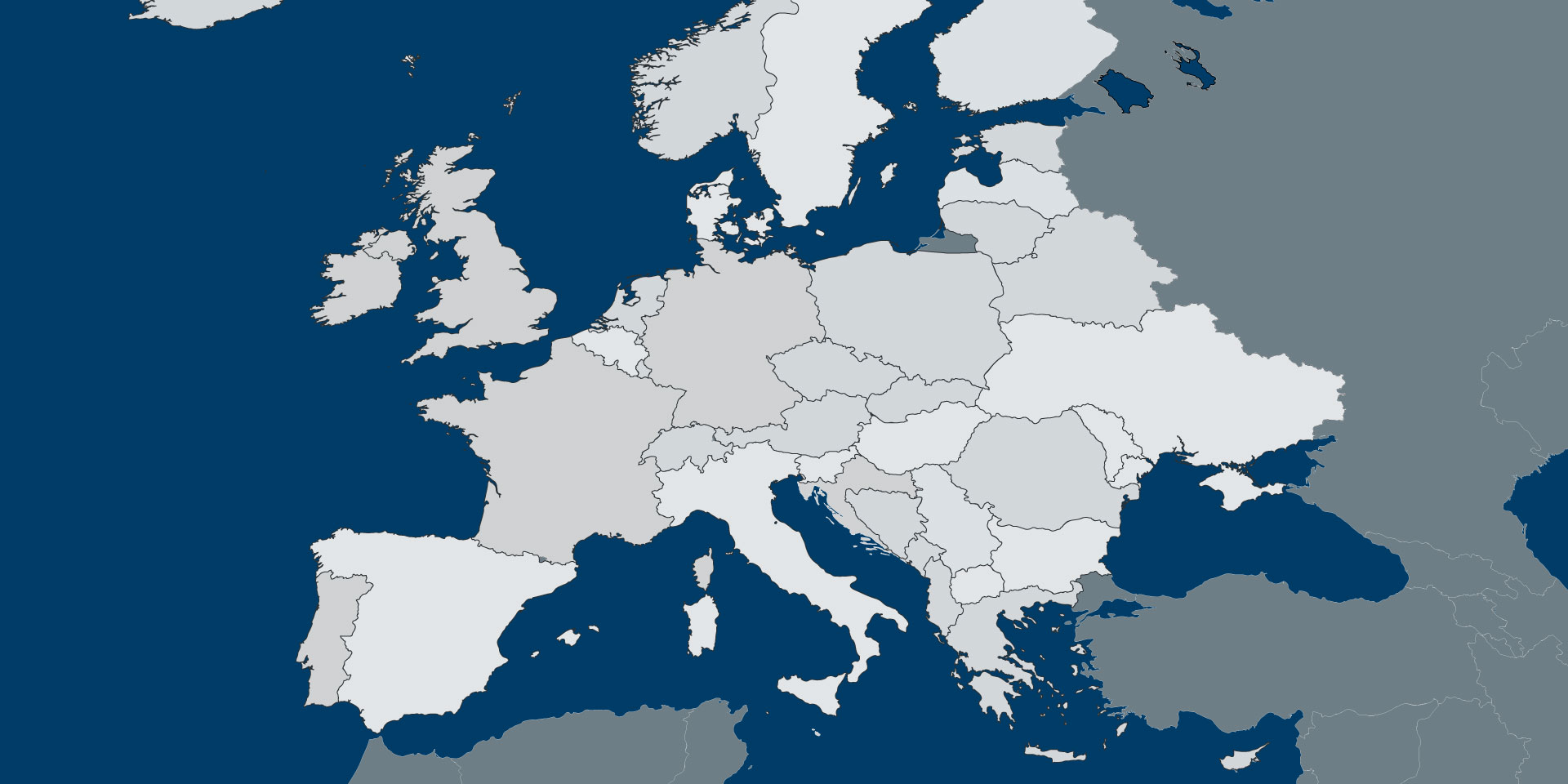
Washington’s transition from a post-World War II order to one that offloads security responsibility to regional partners puts Europe in a difficult situation. Despite decades of institutional development, the continent faces formidable challenges in forging a coherent security architecture with less U.S. participation. The trans-Atlantic system worked largely because Washington was firmly in charge, particularly […]
This article is for subscribers only
Join thousands of readers who rely on GPF for clear-eyed geopolitical analysis.
$89
per year
Save 18% vs. monthly
✓Full access to all daily analysis & forecasts
✓George Friedman’s geopolitical insights
✓2026 Forecast & Special Collection on the Middle East
✓100% reader-supported
30-day money-back guarantee
Already a subscriber? Log in
 Kamran Bokhari, PhD, is a regular contributor to and former senior analyst (2015-2018) with Geopolitical Futures. A strategic forecaster, Dr. Bokhari is now a Senior Resident Fellow with the Middle East Policy Council and a Senior Director at the New Lines Institute for Strategy & Policy in Washington, DC. Bokhari also teaches Eurasian Geopolitics at Georgetown University’s Security Studies Program. Previously, has served as the Coordinator for Central Asia Studies at the U.S. Department of State’s Foreign Service Institute. Follow him on X (formerly Twitter) at @Kamran Bokhari