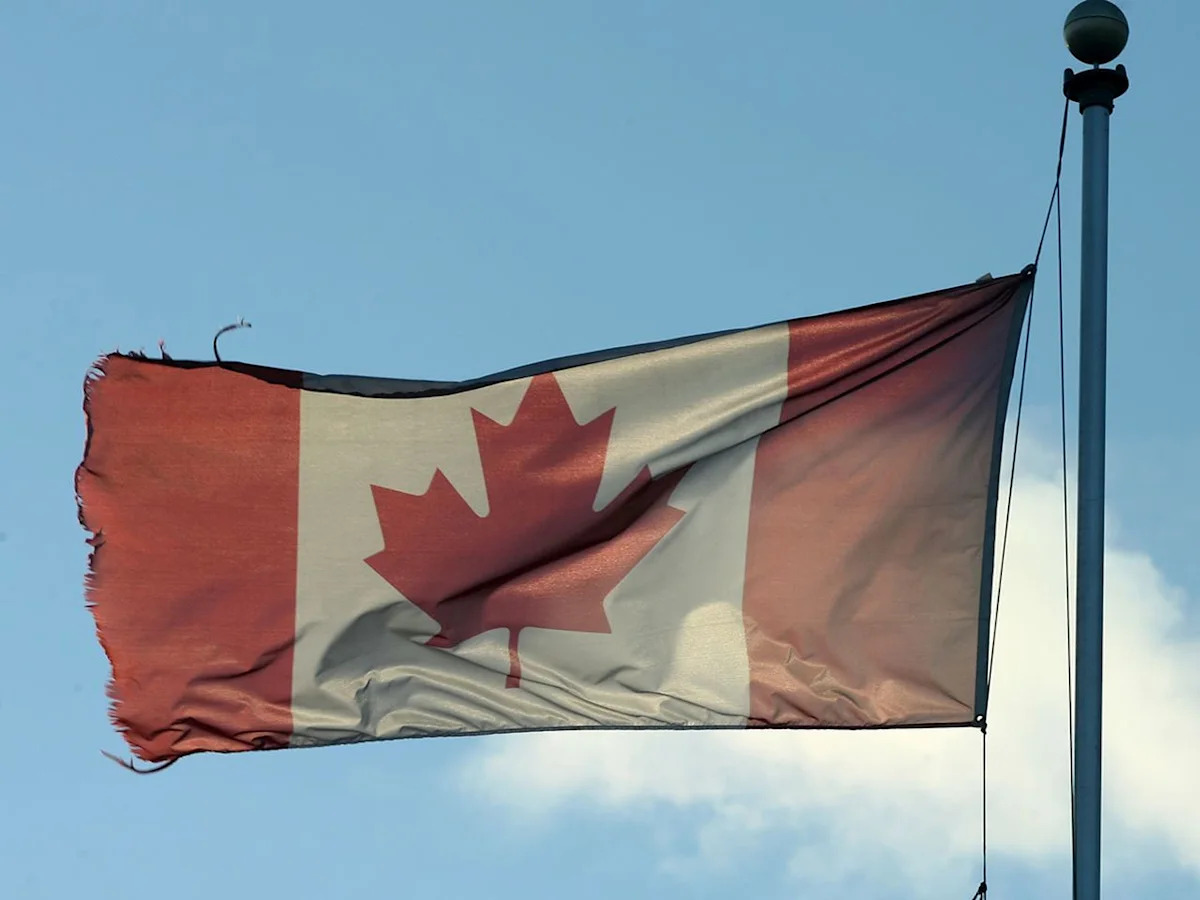

Canada’s credit rating could take a beating if the trade war escalates, says rating agency. (Credit: National Post)

Canada’s AA+ rating can withstand the most recent volleys in the trade war with the United States, but further escalation would put pressure on the credit profiles of both federal and provincial governments, Fitch Ratings warned this week.
Canada imposed tariffs on $27.6 billion worth of U.S. goods on Tuesday, matching dollar for dollar the Section 338 duties that U.S. President Donald Trump launched on Aug. 22 after trade talks collapsed.
In response, Trump slapped a ban on a range of goods from alcohol to motorcycles to dairy products, aluminum and furniture to take effect Sept. 29.
As it stands now, U.S. tariffs cover about 5 per cent of Canadian exports to the United States while Canadian tariffs cover for about 7 per cent of U.S. exports to Canada, said Fitch in a report this week.
“Further escalation could test Canada’s resilience to the measures,” it warned.
The tariff impact will vary across the country, hitting Ontario and Quebec, both of which Fitch rates AA-/stable, the hardest. British Columbia, rated AA-/negative, is also vulnerable because of its forestry and metals industries.
In a trade war, the numbers weigh heavily in favour of the Americans. Canada sells about 75 per cent of its exports to the United States, equal to almost 20 per cent of the country’s gross domestic product.
The United States sells only 15 per cent of its exports to Canada, about 1 per cent of its GDP.
“Canada therefore faces much larger trade exposure,” said the Fitch team led by director Joshua Grundleger. “Even so, political considerations may limit how much this asymmetry strengthens the U.S. negotiating position.”
Unlike earlier tariffs, the Section 338 penalties apply regardless of compliance to the Canada-United-States-Mexico-Agreement (CUSMA), showing that the U.S. can bypass that trade deal with other legal authorities.
However, Section 338 has never been used this way before and has not been tested in court, Fitch points out.
“That could invite challenges and weaken the durability of any tariff regime built on it,” said the report.
Nathan Janzen, assistant chief economist at Royal Bank of Canada, said the United States’ latest response to Canada’s retaliatory tariffs “may sound alarming, but they represent a relatively minor escalation in the trade war.”
“The real risk remains further escalation into a tit-for-tat trade war covering a much larger share of trade — something that hasn’t occurred with this latest development yet,” he said.
What are the risks of further escalation?





