By Helen Coster
NEW YORK, Sept 17 (Reuters) – High gas prices and the rising cost of living had already made affordability a defining issue in this year’s midterm elections. Then President Donald Trump escalated his trade war with Canada.
Now, Republican candidates in northern border states most affected by the tariffs are trying to strike a balance between appealing to Trump’s loyal base and reaching independent voters that polls show have soured on his handling of the economy and his fight with Canada.
The economies of Michigan and Maine have long been intertwined with Canada’s, covering everything from auto parts to lumber to fruit-picking equipment. That has raised the stakes in two states that Republicans will likely need to win in the November 3 elections if they are to hold the US Senate – and their respective candidates have taken notably different approaches with voters, each with its own political risks.
The Senate races in both Michigan and Maine are considered toss-ups by the Cook Political Report.
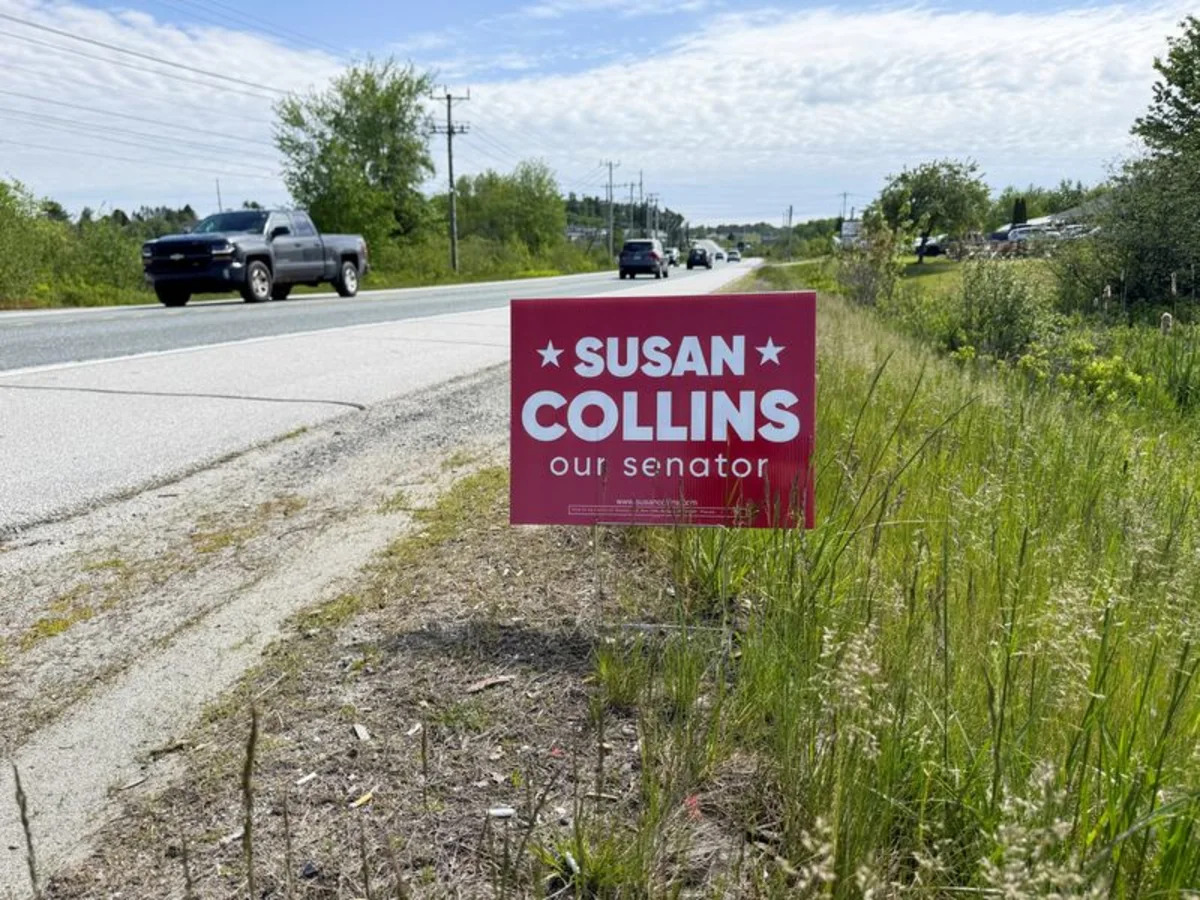
U.S. Senator Susan Collins of Maine is breaking with Trump, criticizing the tit-for-tat exchange of tariffs and seeking carveouts for affected industries. Michigan Senate candidate Mike Rogers, by contrast, has criticized Canada and made the case that his close relationship with the president will help blunt the impact of the trade war.
Because the Canadian tariffs emerged so recently, candidates have largely been left to devise their own responses mid-campaign, said David Hopkins, a political scientist at Boston College.
And both will “need to move beyond the Republican coalition” to win their races, he said. “When something unpopular happens at the behest of your own party leader, it puts you in that very awkward place.”
The National Republican Senatorial Committee, which supports Senate candidates, has not taken a public stance on the Canadian tariffs and did not respond to a Reuters request for comment.
‘POLITICAL PRESSURE’
The United States imposed 50% tariffs on some $20 billion of Canadian goods last month, accusing its northern neighbor of unfair trade practices. Canada’s own retaliatory tariffs – ranging from 15% to 50% on $20 billion of U.S. goods – took effect on September 8.
Canadian officials have made no secret of the fact that their levies were designed with politics in mind.
“We’re being wise and strategic to put political pressure,” Canada’s Minister of Industry Melanie Joly said in August.
Americans are about four times as likely to blame the current trade dispute on Washington rather than Ottawa, according to a Reuters/Ipsos opinion poll conducted late last month. Only 20% of respondents supported higher tariffs on Canadian goods.
Story Continues