

One of the factors that influences the prices of food and home appliances made overseas is ‘tariffs.’ TED-Ed, an educational YouTube channel, explains, using the US as an example, how tariffs, which are also used to protect domestic industries, affect daily shopping, employment, and even the global economy.
What are tariffs, and how do they work? – YouTube
In 1930, amidst the Great Depression, U.S. President Herbert Hoover signed the Smoot-Hawley Tariff Act , which raised import tariffs on agricultural and industrial products. He believed that higher import prices would encourage consumers to choose domestic products, thereby increasing sales for domestic farmers and manufacturers and expanding employment.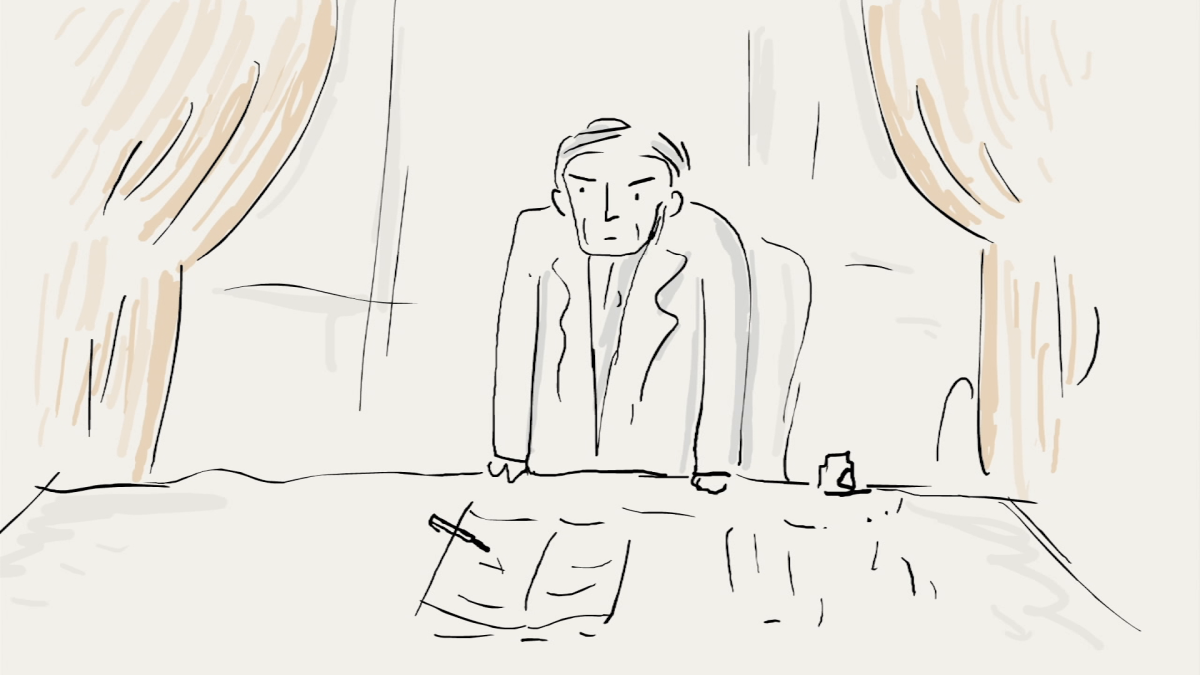
However, other countries retaliated by imposing tariffs on American products. According to TED-Ed, this led to a decline in American exports, a contraction in global trade, and a further increase in unemployment in the United States. More than 1,000 economists had expressed opposition to the bill even before it was passed.

Customs duties are taxes that importers pay to the government when importing goods. For example, if a $1,000 item is subject to a 10% customs duty, the importer will pay the seller $1,000 and the government $100.
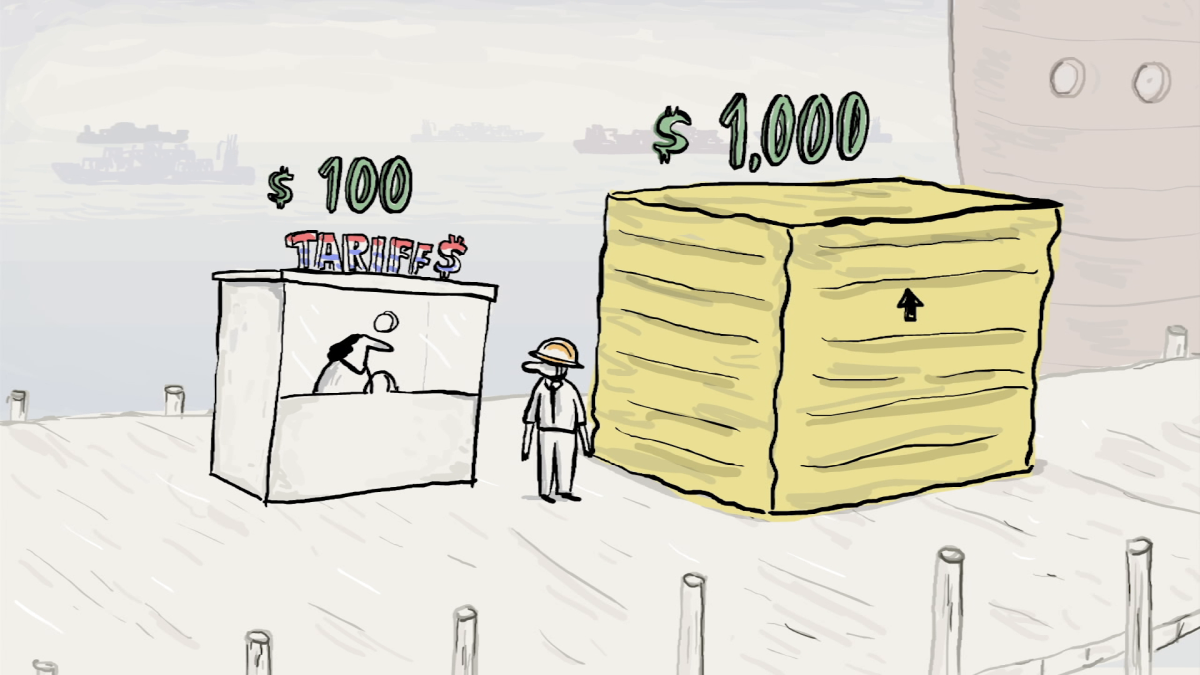
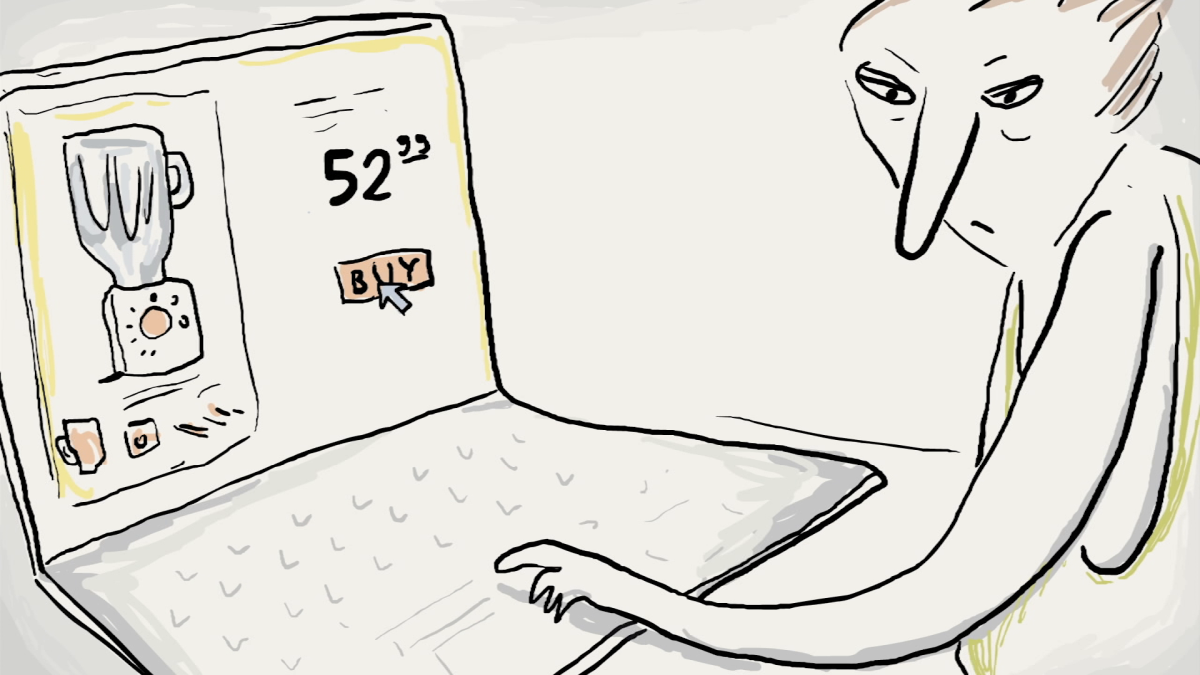
If foreign exporters lower prices to retain business, the burden on importers is reduced. On the other hand, if there are no price reductions, the cost of imports increases due to tariffs. If importers pass this on to the selling price, the burden ultimately falls on the consumer.
Furthermore, even for the same product, the tariff rate varies depending on the country from which it is imported. In the case of wool imports to the United States in 2024, imports from Mexico and South Korea, with which the U.S. has trade agreements, can be made duty-free, while imports from Russia are subject to high tariffs.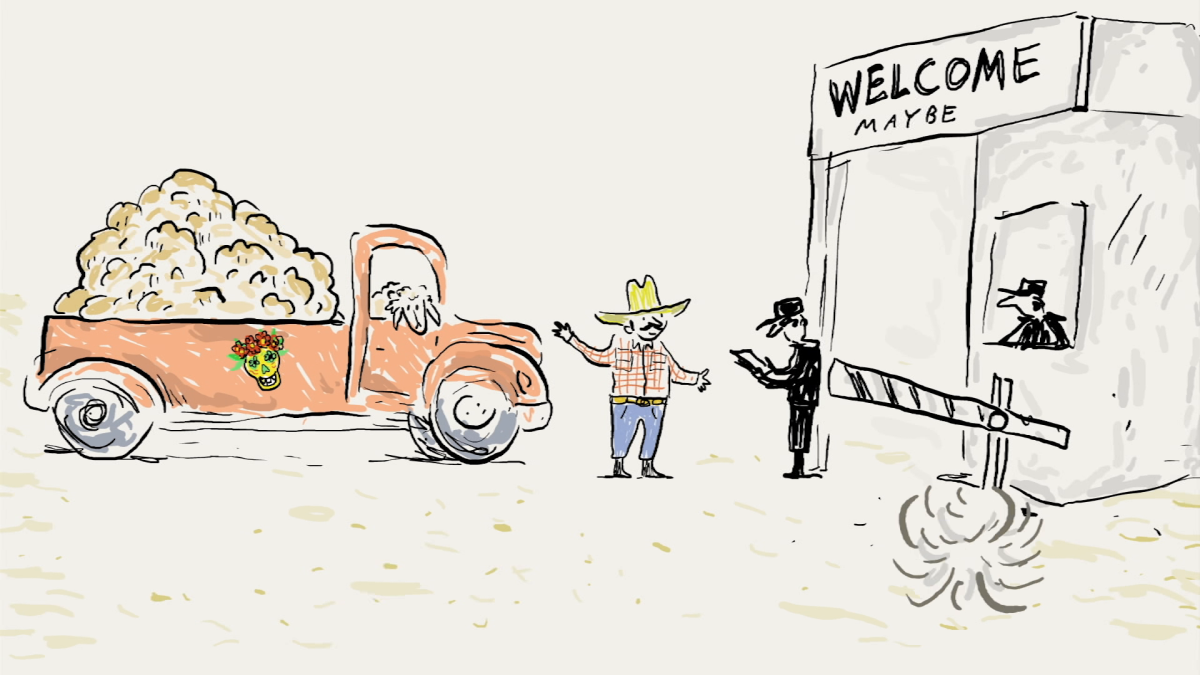
While these tariffs can sometimes protect domestic wool producers, they can also simply cause importers to switch to countries with lower tariffs. Imposing tariffs on imports doesn’t necessarily lead to an increase in domestic purchases.
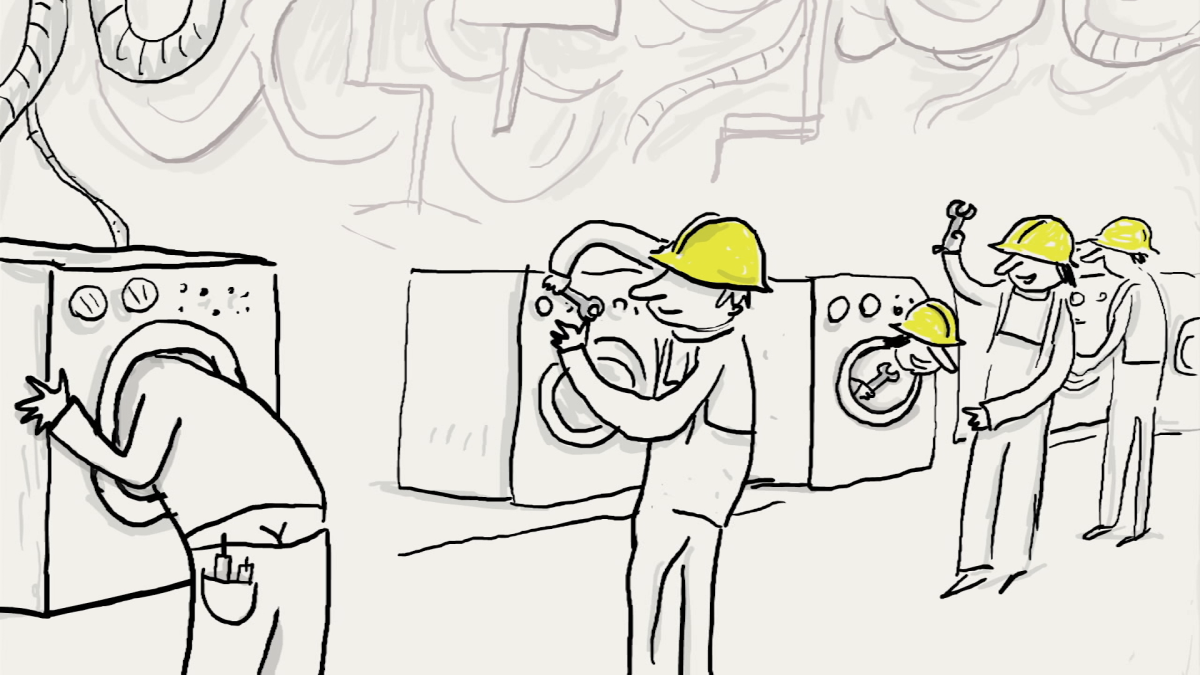
While tariffs can create jobs, they can also place a significant burden on consumers. When the United States imposed tariffs on imported washing machines in 2018, it created approximately 1,800 jobs in the domestic washing machine manufacturing industry, and the government earned approximately $82 million (approximately 12.867 billion yen) in tariff revenue annually.
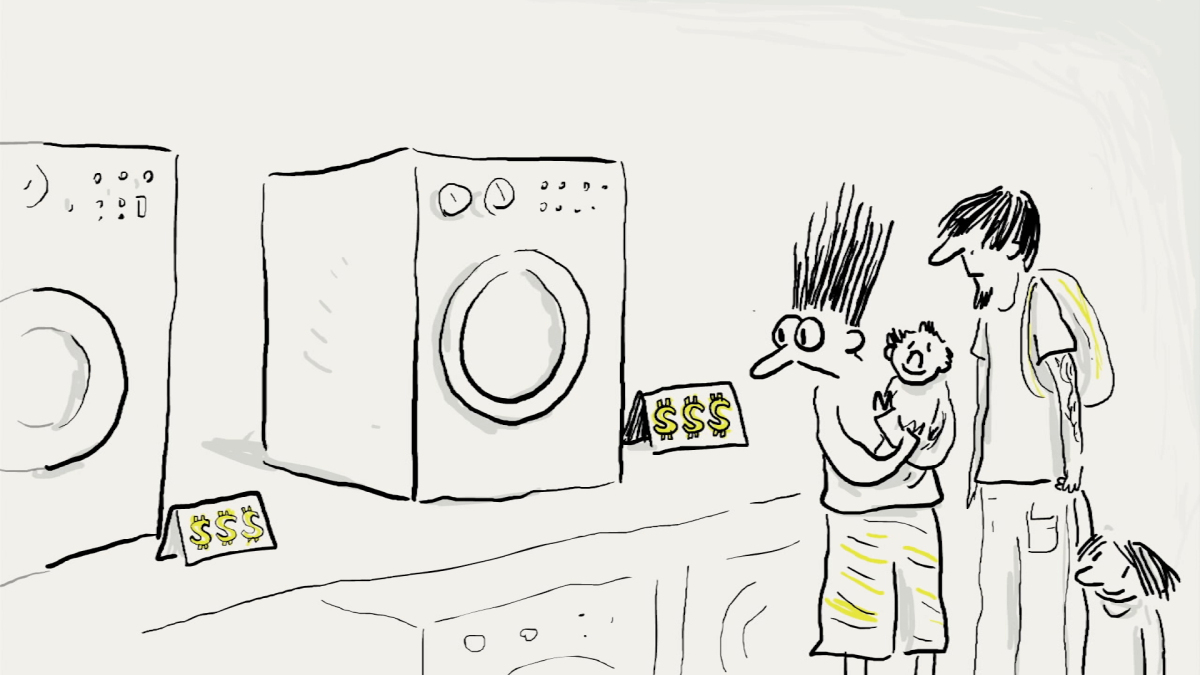
However, the price of washing machines increased by approximately $86 (about 13,500 yen) per unit. According to
a study (PDF file) that analyzed this case, clothes dryers, which were not subject to tariffs, also increased in price, and the additional burden on consumers combined is estimated to amount to approximately $1.55 billion (about 243.324 billion yen) per year. Subtracting the government’s tariff revenue from this additional burden and dividing it by the number of newly created jobs, the calculation shows that the burden per person is approximately $817,000 (about 128 million yen) per year.
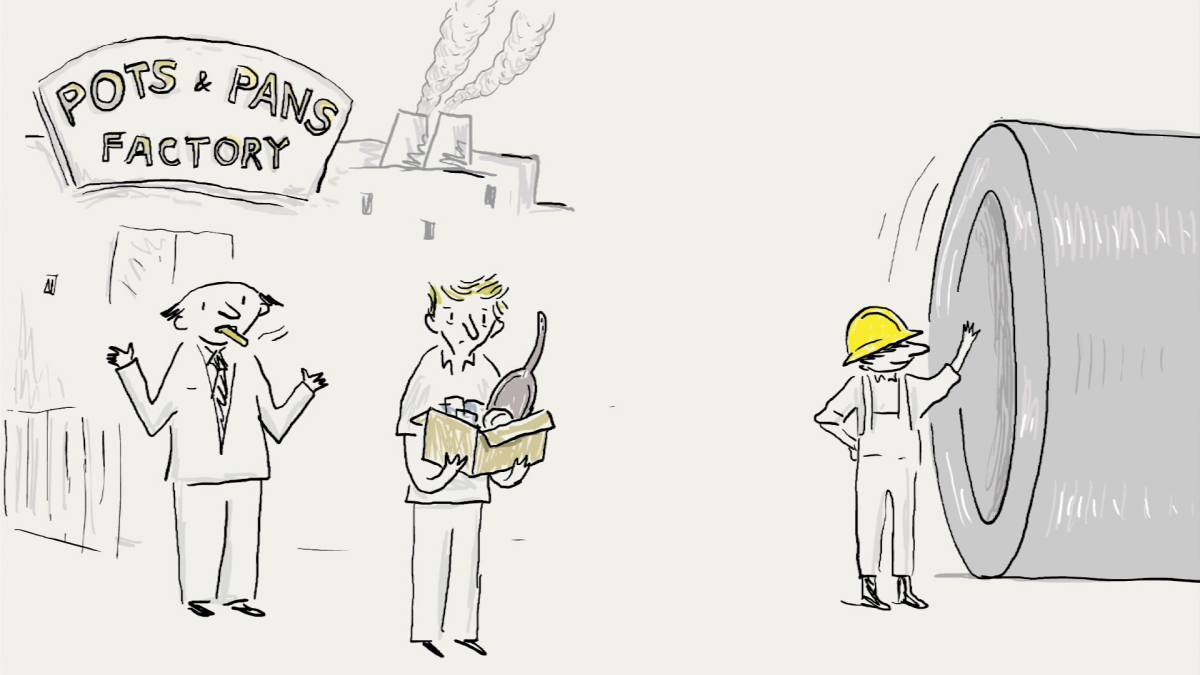
While employment may increase in one industry, it may decrease in another. In 2002, the George W. Bush administration imposed tariffs of up to 30% on imported steel. The aim was to halt the long-term decline in employment within the domestic steel industry. Initially, the decline in employment slowed down.

However, domestically produced steel was still more expensive than imported steel before the tariffs were imposed. As a result, American manufacturers that used steel as a material were forced to raise the prices of their products, putting them at a disadvantage in price competition with overseas manufacturers that could use cheaper steel. According to TED-Ed, within a year of the introduction of the tariffs, the number of jobs lost in industries using steel far exceeded the number of jobs created in the steel industry.
Furthermore, the economic impact also depends on how the country that is subjected to tariffs responds. In 2018, the United States imposed tariffs on Chinese products to reduce its ‘trade deficit,’ where imports from China exceeded exports to China. While this resulted in the protection of domestic companies and increased government revenue, China retaliated by raising tariffs on American products, leading to a trade war.
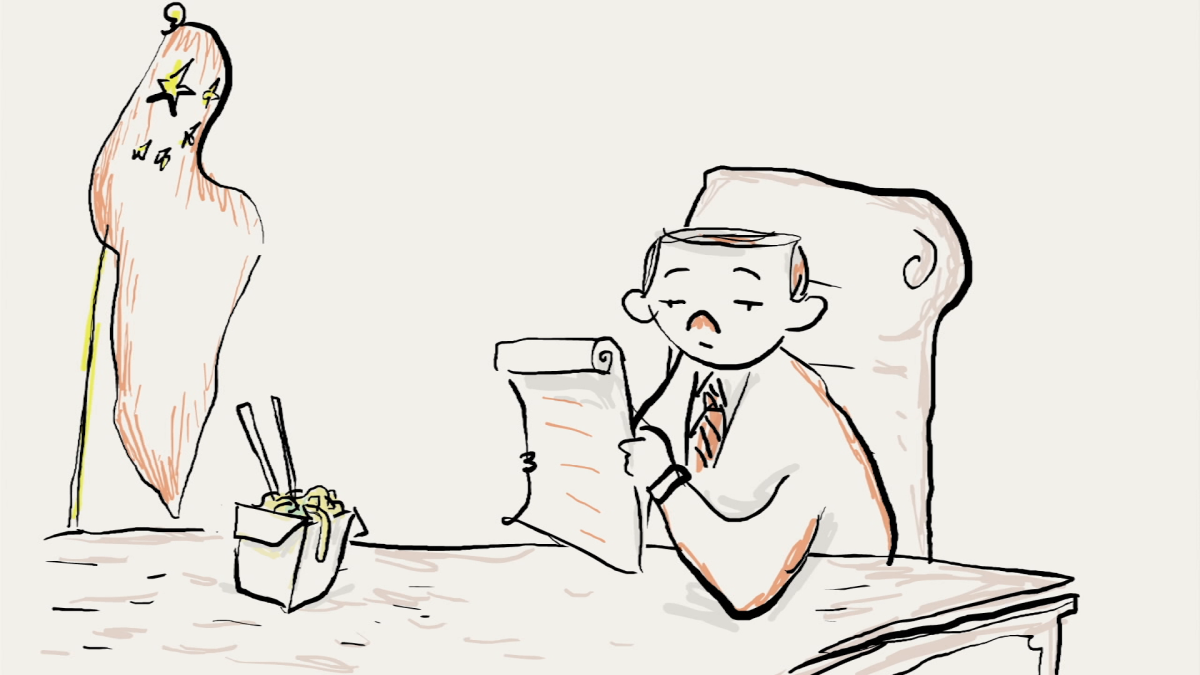
American farmers, who were dependent on China for soybean exports, were among those hit hard by China’s retaliatory tariffs. This trade war led to rising prices in the United States and a slight decrease in gross domestic product (GDP).
While tariffs did sometimes support the growth of less competitive domestic industries in the 18th and early 19th centuries, their primary purpose at the time was to secure government revenue.
Over the next 200 years or so, the economies of different countries have become deeply interconnected. Today, in addition to finished products, parts for making a variety of products are traded across national borders.

TED-Ed concludes that, in today’s world where national economies are intricately interconnected, even imposing a tariff on a single product can have a global impact, and it is difficult to predict all of these effects in advance.