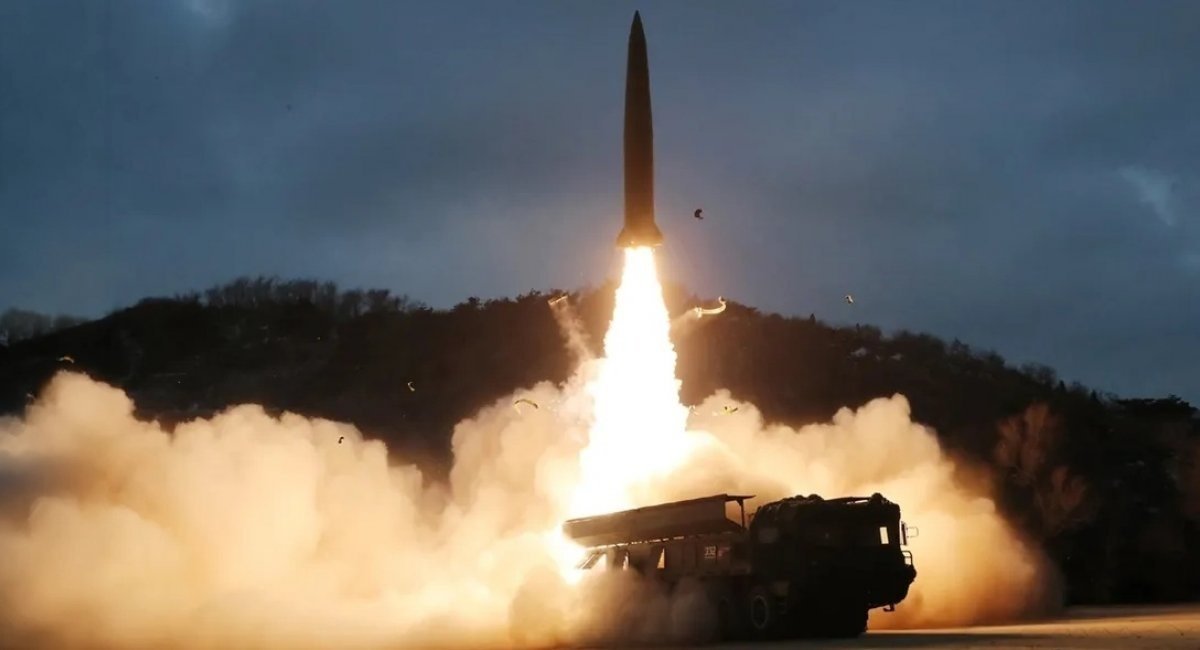
On September 20, 2026, North Korea conducted new tests of KN-23 ballistic missiles. It is known that the first missile was launched to a range of 440 kilometers and reached a maximum altitude of 60 kilometers. The second missile was launched to a range of 590 kilometers and reached a maximum altitude of 70 kilometers.
According to Janes, it is likely that a new variant of the KN-23 was being tested in this instance, potentially featuring an improved flight trajectory or modifications to its warhead.
Read more: Operation Vivaldi: Ukraine’s Third Corps Makes World-First Deployment of Kamikaze UGVs 10+ km Behind russian Lines KN-23
These details are noteworthy because North Korea had previously tested KN-23 missiles at ranges of up to 690 kilometers, with maximum flight altitudes ranging from 37 to 60 kilometers. In other words, reaching an altitude of 70 kilometers is already unusual, but even that may not be the upper limit.
For instance, on August 12, 2026, North Korea launched an unknown variant of the KN-23 that flew 690 kilometers and reached an altitude of up to 90 kilometers.
All of these launches drew the attention of authorities in Japan and South Korea. Beyond the tests themselves, North Korea continues to demonstrate a growing missile threat to security in the Indo-Pacific region.
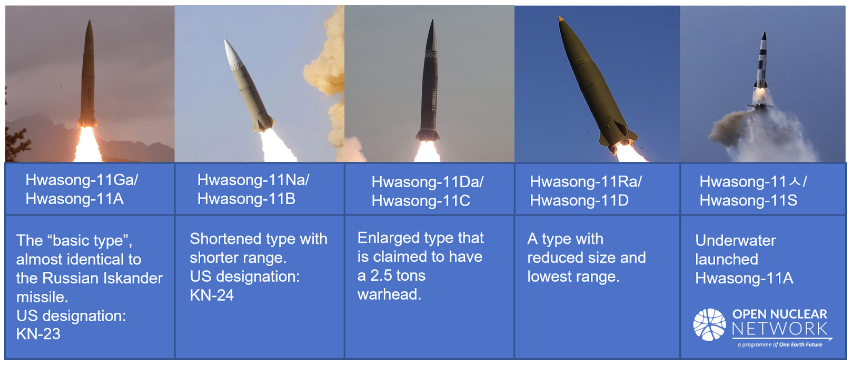 Hwasong-11 (KN-23) family
From Defense Express we can surmise that these North Korean experiments with KN-23 launch altitudes may be aimed at improving the missile’s ability to evade Patriot systems deployed by countries that could potentially become targets of North Korean aggression, particularly given Pyongyang’s close ties with the Kremlin.
It is also worth mentioning a 2024 RUSI study, which found that North Korea manufactures only the metal components of its KN-23 ballistic missiles, while all other components, technologies, and even the blueprints for producing them were obtained directly from russia. This has led to the perception that the North Korean military industry often functions simply as a “branch” of the russian military industry.
 KN-23
Ivan Kyrychevskyi, serviceman of the 413th Raid Regiment of the Unmanned Systems Forces of Ukraine and weapons expert at Defense Express.
Read more: Hypersonic Weapons Are Not Just About Speed, Lockheed Martin Points to Real Production Bottleneck