In Estonia and Sweden, energy communities face regulatory and bureaucratic restrictions that complicate the sharing of surplus electricity among participants. Cooperative representatives stress that such associations should be created to solve specific local problems, rather than merely for joint activity, ERR News reports.
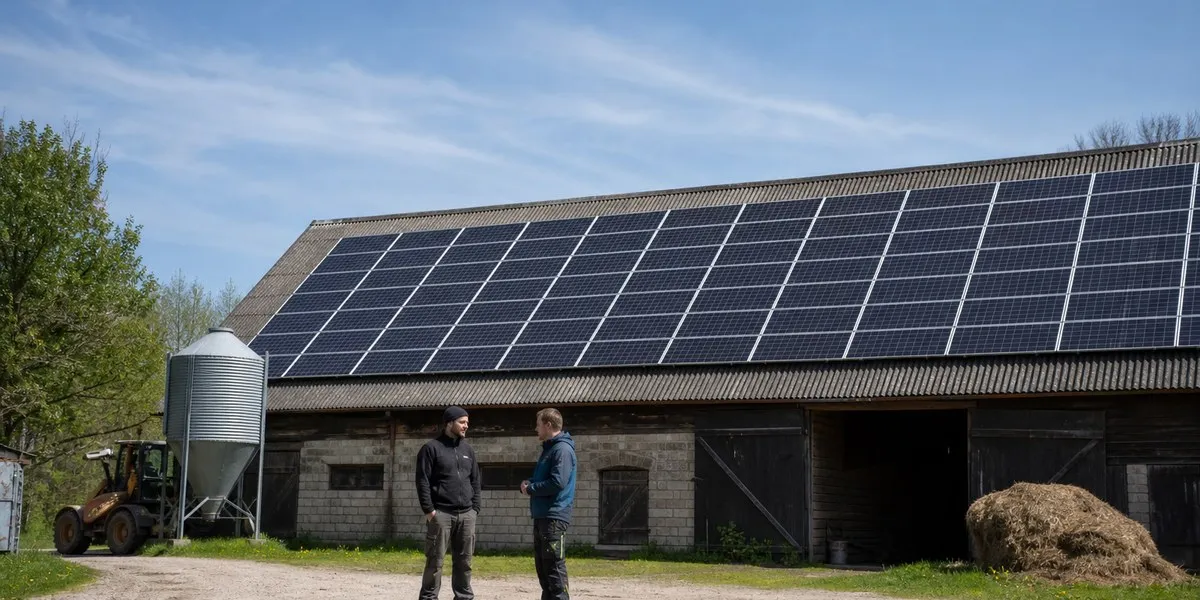
Solar power plant in Obinitsa
Markus Männik, founder of the Oma Elekter energy cooperative in the Estonian town of Obinitsa, said the association emerged from the need of the local Seto Aiad cooperative to reduce electricity costs for a refrigerated warehouse. After electricity prices rose, participants planned to build their own solar power plant and sell unused energy to the grid, but abandoned the idea because of the high connection cost.
Later, a solar power plant and battery system were installed on the roof of the refrigerated warehouse with initial funding from the StartSun project. According to Männik, the warehouse now receives 98% of its electricity from the solar plant and draws the required amount from the grid at night. This spring, a 1,700-square-meter product processing center also opened at the same site, which is to supply raw materials to educational institutions in Võrumaa County and other areas of southeastern Estonia.
More current news is available on the UA.News Telegram channel Telegram.
Restrictions on electricity sharing
Männik noted that electricity producers in Estonia currently cannot transfer their surplus through the grid to other consumers, even free of charge. According to him, the cooperative has no technical possibility to give excess electricity to a nearby school, kindergarten, or housing association. In addition, due to its proximity to the eastern border, the cooperative did not receive permission from the Ministry of Defence for a solar power plant with a capacity exceeding 50 kilowatts because of its potential impact on radar operations.
In the Swedish village of Fegen, the Energigemenskap Fegen energy community began operating about a year ago with support from StartSun. Initially, it brought together two companies and three private individuals, and it now has eight members. Its founder, Tobias Karlsson, said Swedish legislation does not yet allow electricity sharing among members. The total capacity of their local grid is about 400 kilowatts. Participants plan to store and distribute surplus generation from solar panels in the future instead of selling electricity to the general grid.
Karlsson also said the community plans to connect buildings with a direct-current grid, although the necessary equipment is not always available. In his view, such a grid could increase energy independence and the resilience of the local electricity supply system.
Read us on


Download our app


