
Give learners time to examine the cards. Details that initially seem decorative or superfluous may be useful, so encourage players to inspect cards closely. Clarify unfamiliar words, objects, or situations when they prevent players from understanding the task. You may want to have them list everything they can see on a card, encouraging them to identify oddities or patterns as they list what they see. If working with players with low vision, encourage others to share their observations aloud.
Make sure that players have opportunities to share ideas, make suggestions, and explain their reasoning. Try asking broad questions that can help the group reflect without giving away what to do next. Some examples include:
What have we noticed?
What haven’t we looked at yet?
What have we tried, and where did it take us?
Would anyone like to share a different idea?
It’s important to leave room for developing or partial ideas and unsuccessful attempts. When a player proposes an answer, invite them to share their reasoning, even if you know that it is not the route to solving the puzzle. An idea doesn’t have to be right to help the group; saying it out loud might help someone notice a detail or come up with another idea.
Offer help in small steps
Normalize asking for help as an ordinary part of play. Start by encouraging your players, if you have more than one, to consult each other and share what they see, what they know, and what they wonder.
If players still seem stuck, the website provides hints. Let the group agree on requesting support, then uncover one hint. See where that takes the group before considering revealing another. A little help can make a tricky puzzle feel less overwhelming and get ideas flowing again.
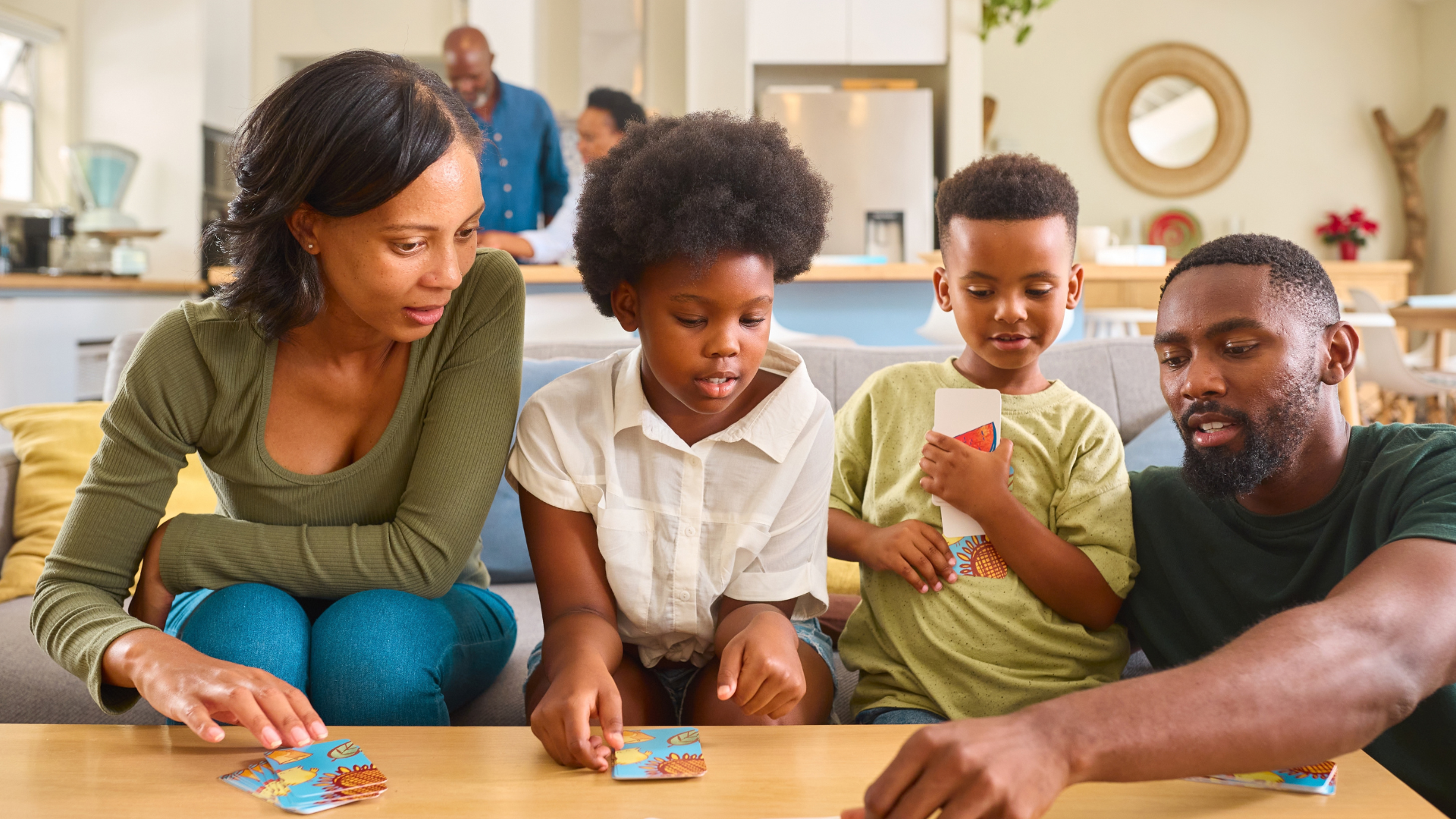
 Credit: Shutterstock
Support players through frustration
Keep an eye out for players who seem frustrated or who are losing interest or focus. Here are some suggestions for how to help with that:
Suggest a change of roles. Perhaps the person who has been taking notes might try analyzing the cards, while another player rereads the text on the website aloud. A new perspective can help the group notice something they missed and give drifting players an opportunity to rejoin the discussion.
Sometimes several puzzles are available at once. If the group is stuck on one, encourage them to give the other a try and come back to the first one later.
It’s okay to pause for a snack, a bathroom trip, or a bit of a stretch. Sometimes a puzzle makes more sense after a little time away.
Getting stuck is a normal part of playing, and sometimes a little support or a change of pace is all players need to feel ready to try again.
Make space for different strengths
Different puzzles give different players a chance to shine; a puzzle that stumps one player might click easily for another. Just because a player struggles with one puzzle doesn’t mean they won’t absolutely excel at the next. Encourage contributions from everyone, and ask enthusiastic solvers to give time for others to look, think, and speak.
Some players may need help reading, understanding unfamiliar words, or writing down ideas. Encourage players to interact with the game in a way that works for them. Remind the group that they are working as a team and should support one another.
Give older or more experienced players more time to explore puzzles before offering them assistance. When they arrive at an idea, ask them to share their line of thought with the group. Talking through an idea can help the whole group make connections and notice things they might have missed, while also giving less experienced players a chance to follow along and learn from their teammates.
When playing with different ages, take turns reading, handling cards, taking notes, and entering answers. Try to avoid assuming that the oldest players will have the best insights; good ideas can come from anyone. Invite quieter participants to contribute without putting them on the spot by asking low-stakes questions, encouraging them to write their ideas down first, or using “turn and talk” strategies.
Submit an answer
Encourage players to make space for everyone to contribute and agree on an answer before submitting it. After an answer is accepted, read the website response together before moving on. These passages develop the story and introduce science that can be missed in the excitement of reaching the next puzzle. Leave room for questions, a brief discussion, and celebrating what the group accomplished.
 Credit: Shutterstock