I’ve seen enough. The personal AI agents released over the past month will be a huge paradigm shift for computer usage and a major positive inflection point for technology.
On Tuesday, OpenAI hosted its annual DevDay and announced a flurry of products. These include a new AI model, GPT-6.1 Sol, which the startup says has near-Astra capabilities at 20% of the cost, and ChatGPT Space, office productivity software that seems like a combination of Google Docs and Notion, where colleagues and their AI agents can work on documents together. OpenAI says slides functionality will come later. GPT-6.1 Sol is already a big hit, with Sam Altman calling it the fastest-growing OpenAI model release ever.
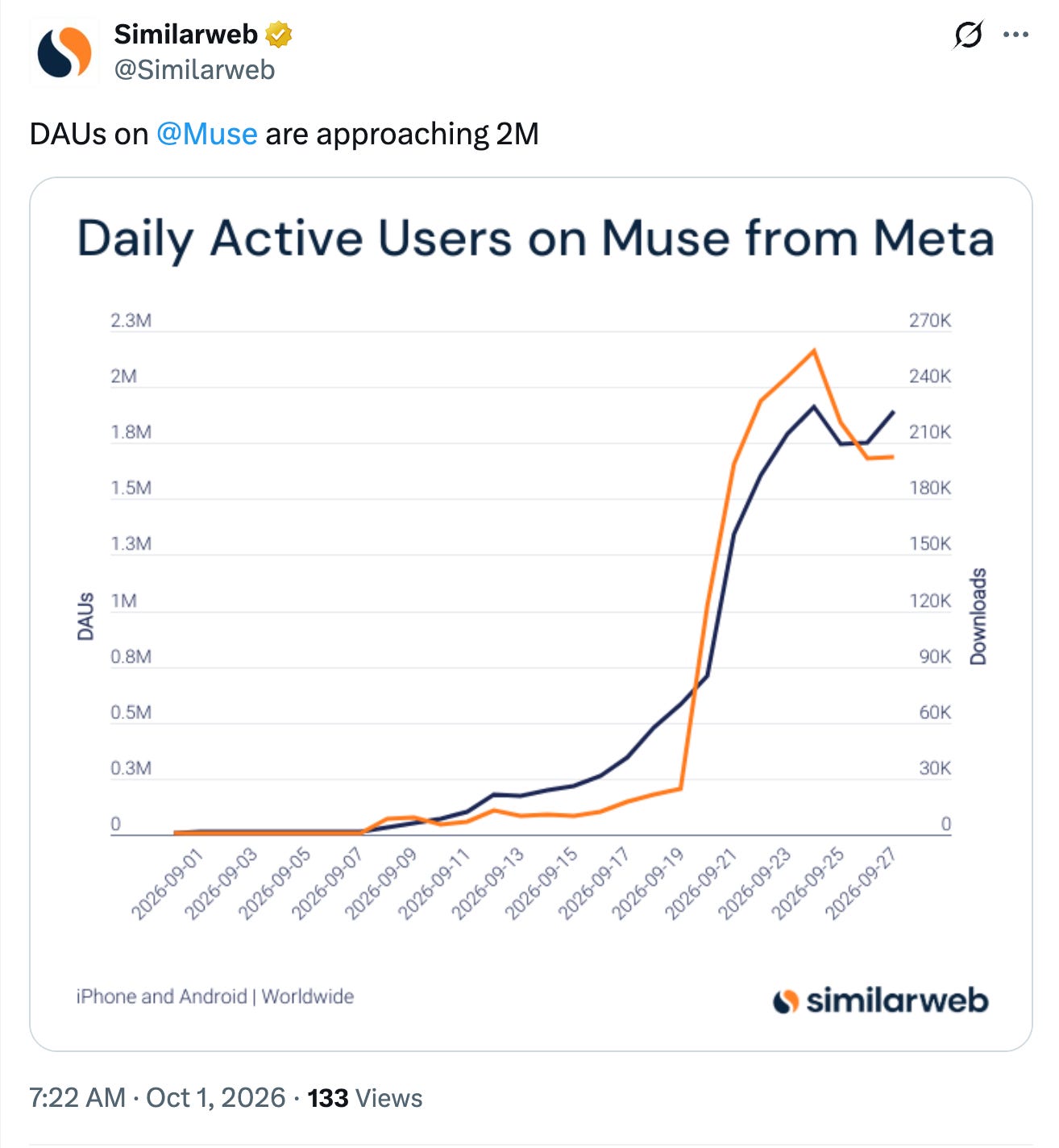
But this DevDay will likely go down in history as the event that launched Dots, OpenAI’s new always-on AI personal assistant, which is powered by GPT-6 Astra and gives each Dot a cloud computer. Dots comes three weeks after Meta launched Muse, which had already sparked a wave of excitement among users and investors about the potential and promise of digital agents.
I recommend watching this Dots demo video by an OpenAI employee. Dots can go through your email, calendar, Slack messages and documents and suggest work priorities. You can also call your Dot to book travel, look at hotel options and ask about traffic patterns.
After using OpenAI’s Dots, Meta’s Muse and Instinct, I now have much higher confidence that personal AI agents will be the future of computing and a lift off for a new AI wave. I love how these services proactively ping me about things I may have missed and remind me what needs to be done. It is magical.
I do think OpenAI has the pole position and personalization is the key.