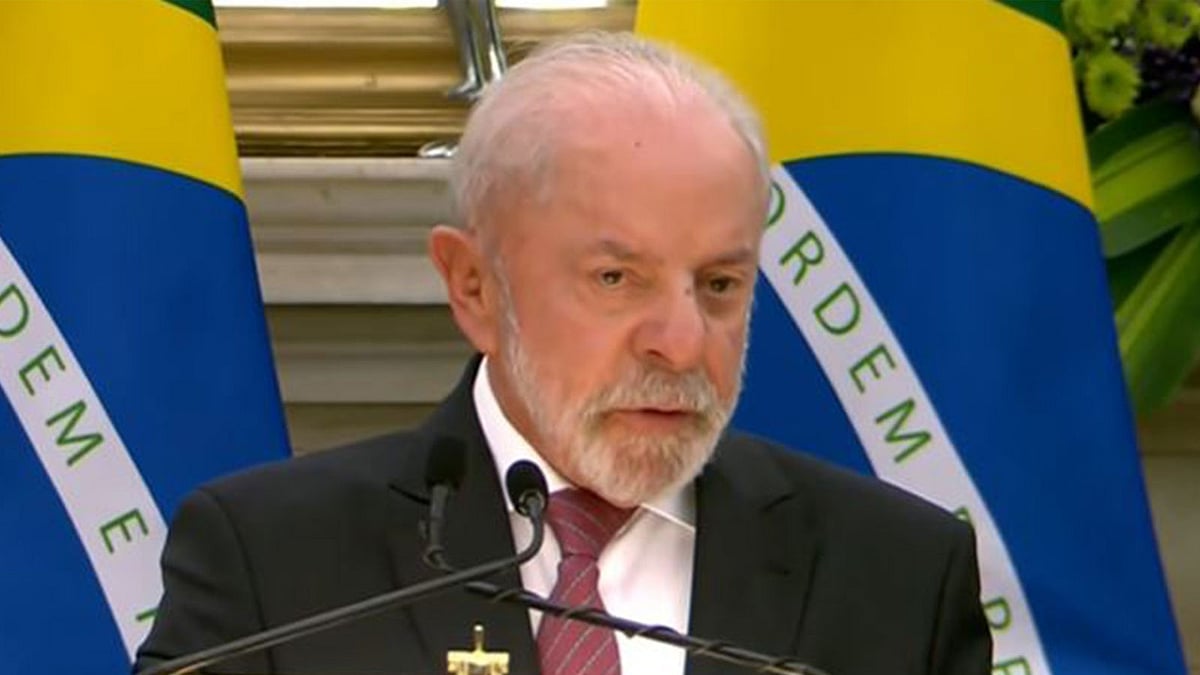
Lula’s victory is also remarkable as he lagged behind his rival in the first round which triggered a second round in which he bagged 51.79% votes and roughly 4.4 million votes more than Bolsonaro. Brazil follows a two-round voting system under which, if no candidate gets an absolute majority in the first round, a second round (run-off) follows three weeks later.In the first round, many voters appeared to have been caught on the horns of dilemma and eventually got swayed not only by Bolsonaro’s campaigning but also by external interference in the form of US President Donald Trump’s implicit support and social media giant Meta’s alleged machinations.
However, in the run-off, Lula succeeded, which is being attributed to the successful implementation of a progressive agenda of reducing poverty and Amazon deforestation to record levels. In the coming terms, his government however will have daunting challenges to deal with, especially surging debt and inflation and political constraints to initiate reforms or take corrective measures.Lula’s centre-left Workers’ Party also executed innovative and aggressive campaigning in the run-off election. Besides on-the-ground mobilisation to boost turnout — after voter apathy marked the first round — the party used messaging platform WhatsApp for digital campaigning. Millions of voters reportedly joined WhatsApp groups like “Lula’s Army,” which were instrumental in executing the orchestrated campaign. It was a classic case of fighting fire with fire. Platforms like Meta were accused of deliberately limiting the reach of Lula’s campaign, prompting Brazil’s top electoral court to step in and demand fair treatment. Lula’s supporters also protested outside Meta’s offices, though the tech giant denied bias.