The wool harvesting industry is committing more funding to animal welfare training launched after a shearing abuse investigation.
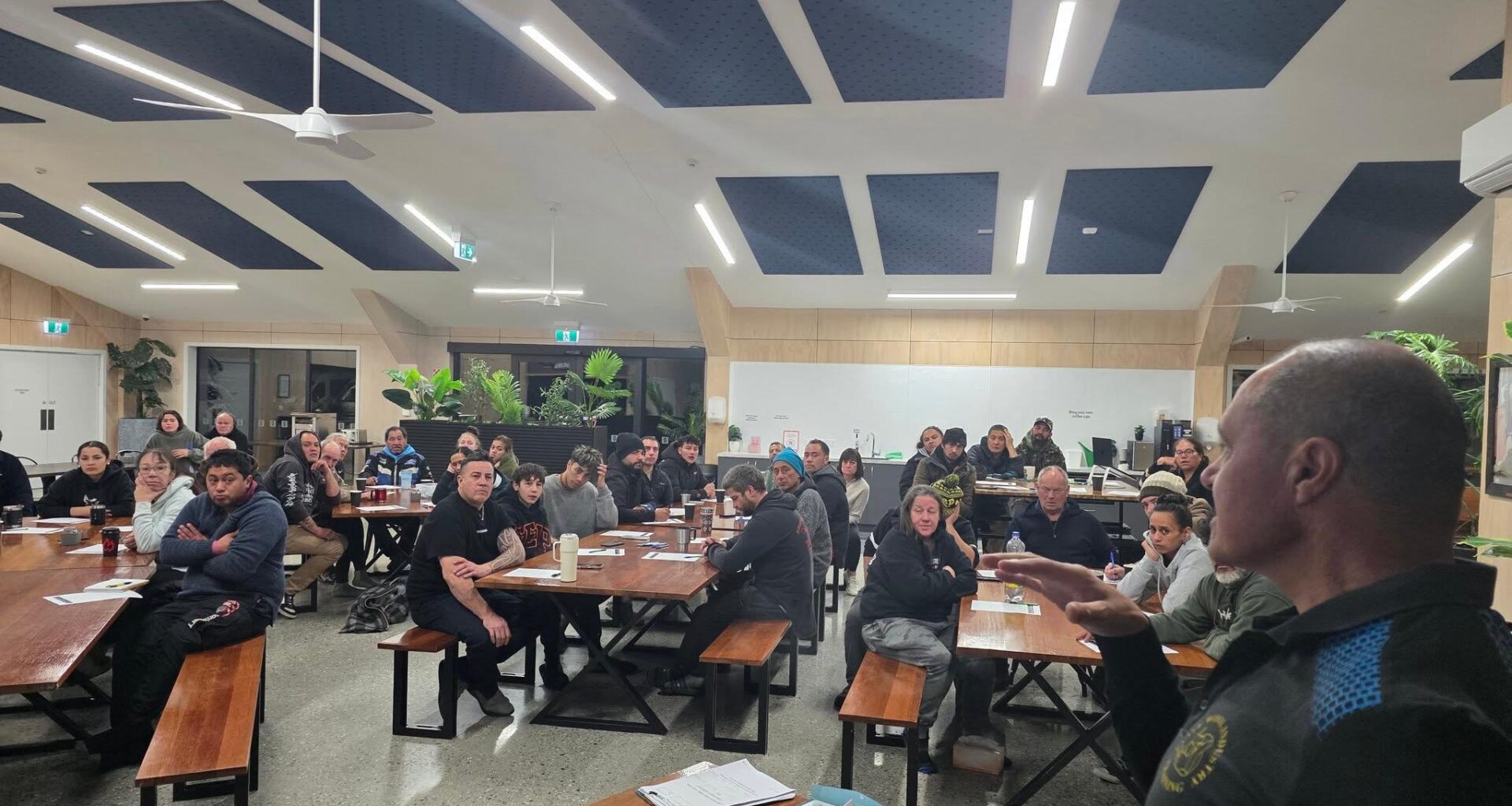
So far 480-plus shearers and other wool shed workers have completed Animal Welfare & Calm Sheep Handling training in a $75,000 programme.
Another $65,000 was raised for a further 400 people to go through the course over the next eight months.
This follows a Palmerston North shearer being sentenced last August on charges of ill-treatment of sheep at shearing sheds in Canterbury.
Video footage of sheep being abused by shearers, released by animal rights organisation People for the Ethical Treatment of Animals (Peta) in 2024, resulted in a Ministry for Primary Industries (MPI) investigation and three other shearers facing charges.
Training to improve animal and worker welfare started this year and is being called a success, much needed to maintain New Zealand wool’s reputation and market access.
NZ Shearing Contractors Association, New Zealand Wool Collective (NZWC), PGG Wrightson, Zentera and the Wool Research Organisation of New Zealand are continuing their support.
The initial funding group also included MPI for the programme developed by Elite Wool Industry Training.
After a slow start intakes have picked up with some shearing contractors putting entire teams through the course.
Elite Wool Industry training director Tom Wilson said the strong response showed there was an appetite for animal welfare training and the industry recognised its value.
He said it reinforced the good work going on in shearing sheds, but also gave a clear direction of expectations and responsibilities.
“I am quite confident this course and the visuals it’s had in the press is the beginning of a bit of a cultural change. Although there is a very small minority of employees who actually breach the Act, the others in the industry now realise what is expected of them and I think it will have a huge impact in the years to come.’’
 The Animal Welfare & Calm Sheep Handling programme was launched after an animal rights group unveiled video footage of sheep mistreatment in shearing sheds. Photo: Supplied
Mr Wilson said he hoped it showed the public the concerns were being taken seriously.
Participants had admitted in evaluation forms they were unaware of their workplace and legislated animal welfare responsibilities before attending the course.
Nor did many of them have an appreciation of the potential impact in the marketplace if they were not followed, he said.
“It’s quite surprising that so many are working and living in a little bubble and they don’t recognise that if the end user stops buying wool our jobs are at risk. It’s sort of like the All Black syndrome in that we are the best and don’t need to do much more, but in all reality we need to get our act together and get in front of this.’’
Farmer, processor, brand and consumer expectations are increasing, with animal welfare, traceability and ethical production playing a growing role in buying decisions.
He said it showed the value, and potential pay-off in the marketplace, of introducing a new accredited national course including animal welfare.
The programme was developed with Australian organisations after joint concern about Peta’s findings.
Training covers practical responsibilities under the Animal Welfare Act 1999, animal behaviour and welfare, calm sheep handling, and reducing stress for animals and handlers.
NZWC chief executive Ross McIsaac said good animal welfare was critical to protecting the future of New Zealand wool.
“It matters for our animals and our people, but it also matters to the customers and markets buying our wool. No one part of the industry can carry that responsibility alone. Having a range of companies and organisations continuing to support the programme shows the importance of this work.”