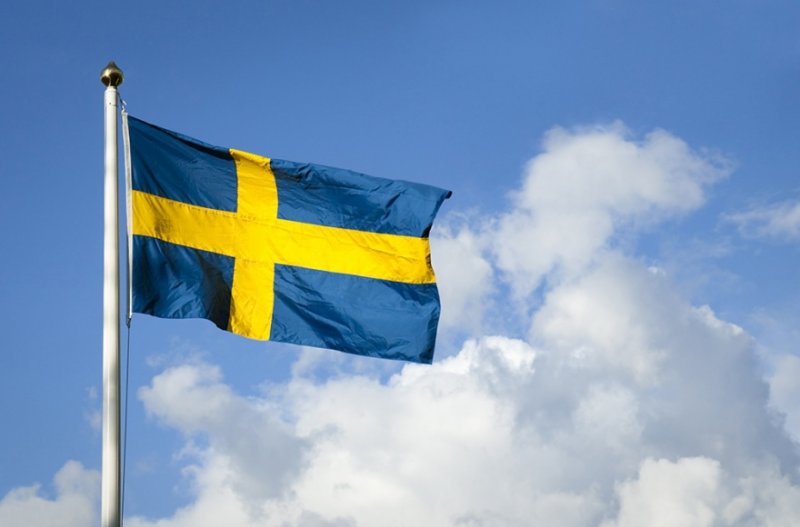
Sweden will reintroduce border controls with other EU countries from November 12, 2026, to May 11, 2027, citing hybrid threats from Russia, the government announced.
The country has previously imposed border controls, but earlier decisions did not explicitly link the measures to threats from Russia, instead offering more general explanations, UAWire reported.
The Swedish Ministry of Justice said in a press release that the decision to reintroduce border controls with countries in the Schengen zone from November 12 is “based on an assessment of a serious threat to public order and internal security.” The statement added: “The government’s assessment is primarily based on the grave security situation resulting from Russia’s full-scale invasion of Ukraine, which has led to the emergence of hybrid threats and hostile actors moving within the Schengen area. Reinstating border controls at internal borders is among several measures needed to respond to severe threats to Sweden’s internal security. Decisions to restore border controls are made in accordance with overall EU legislation. Renewing border controls at internal borders is an important measure, providing authorities with the necessary tools and conditions to identify arriving individuals who may pose a threat to public order and national security.”
Officials in Stockholm also emphasized that several other Schengen zone countries—France, Germany, Norway, and Denmark—have introduced internal border checks as well.
The latest Swedish decision effectively extends border controls that were already in place. In previous instances, Swedish authorities said the measures were needed due to a “serious security situation, in particular the situation involving cross-border crime linked to government entities and terrorism.” Government statements from May 18, 2026, and two similar decisions in 2025 made no mention of Russia or hybrid threats associated with it.