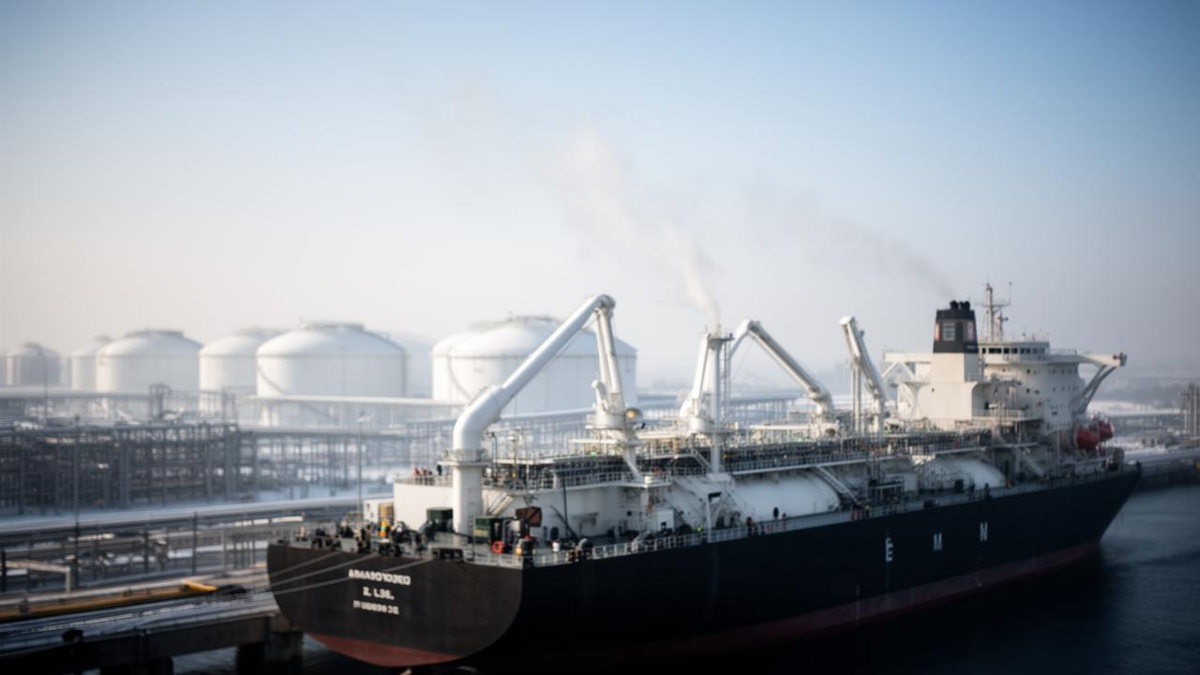
US liquefied natural gas (LNG) exports set a record last Saturday. According to BloombergNEF, pipeline gas deliveries to LNG export plants across the United States that day were estimated at about 2.18 billion cubic feet per day, the highest level on record and an increase of more than 12% from a year earlier.
The momentum came mainly from increased output at two export facilities. Pipeline flows to the Golden Pass project hit an all-time high for that plant that day, while volumes supplied to Sabine Pass reached their highest level since April. As the Northern Hemisphere enters peak winter heating season, the added supply could give European and Asian gas markets some breathing room.
Since the Middle East conflict erupted, global energy markets have been whipsawed, forcing countries to scramble for cargoes from other regions and pushing spot prices to multi-year highs. In Asia, home to the world’s largest concentration of importers, gas prices have reached roughly triple pre-war levels; European natural gas futures have likewise risen nearly threefold on a cumulative basis.
IndicatorLatest LevelComparison BasisPipeline inflows to US LNG plants (Saturday in November)About 2.18 billion cubic feet/dayUp more than 12% year-on-year, record highAsian LNG spot pricesAbout 3x pre-war levelsBefore the Middle East conflict eruptedEuropean natural gas futuresCumulative gain of nearly 3xBefore the Middle East conflict erupted
Note: Inflow data are estimates for last Saturday; gas prices reflect cumulative changes since the outbreak of the conflict.
The industry widely expects US LNG exports to keep ramping up, with output potentially doubling by the end of the decade. The International Energy Agency (IEA) had originally projected that the global market would shift into oversupply in the coming years, but production disruptions in the Persian Gulf region have delayed that oversupply timeline by at least two years.
For European and Asian buyers, the incremental US supply means more leverage in scheduling winter deliveries, and short-term spot bidding pressure may ease slightly. Still, until Persian Gulf supply recovers clearly, gas prices will find it difficult to fall back to pre-war levels. For US exporters, keeping capacity utilization high also adds confidence for upcoming long-term contract negotiations.