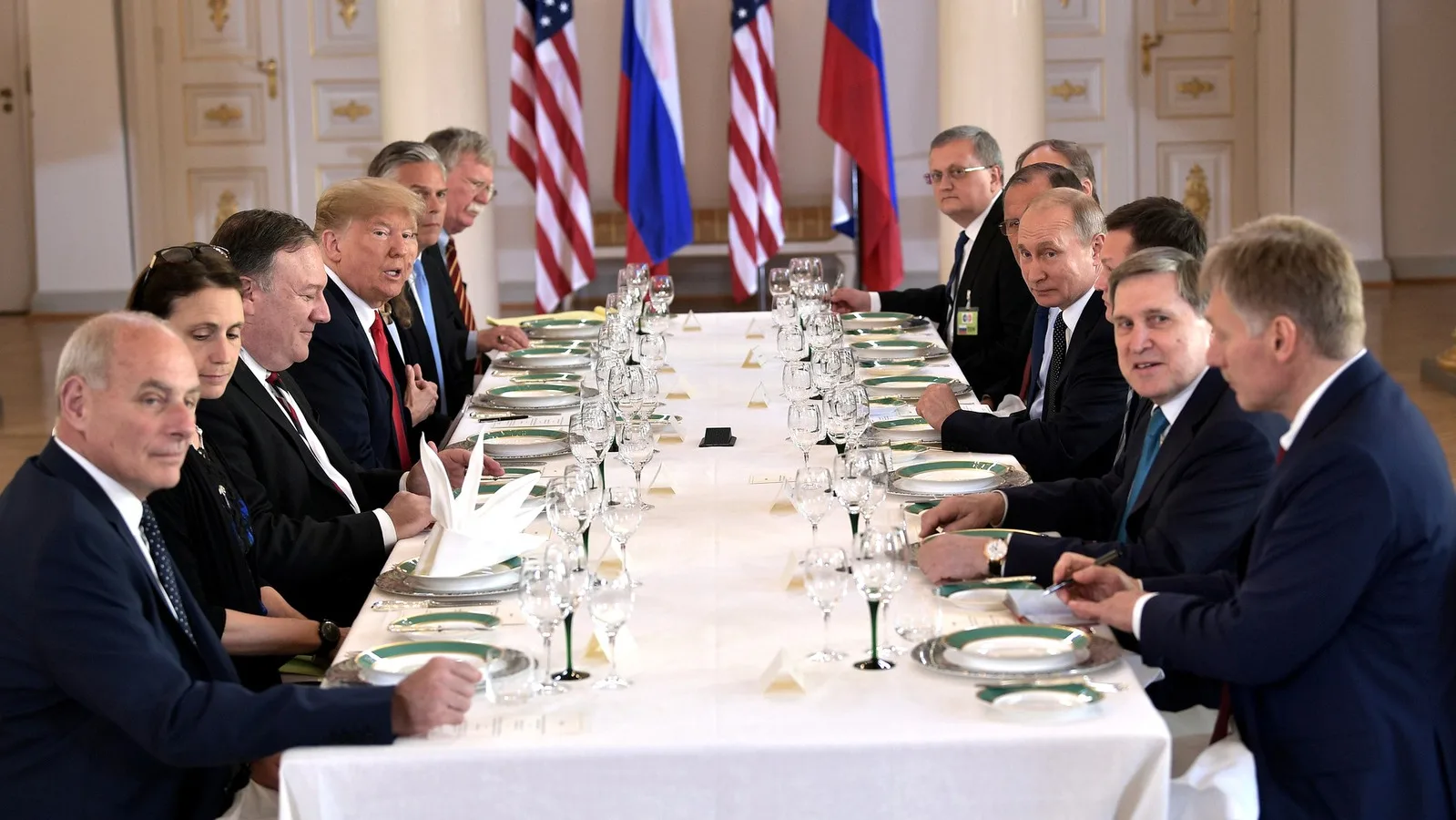
United States President Donald Trump is scheduled to meet with Chinese President Xi Jinping and Russian President Vladimir Putin in Shenzhen. According to the Associated Press, the three leaders are expected to discuss nuclear arsenals. AP also reported that Trump plans to meet with Xi and Putin separately, giving leaders bilateral and three-way settings to discuss concerns. The meeting is a chance for the major powers to address the danger that we face regarding nuclear power. During a period of such heightened tension, a test missile launch could be seen as a threat from other countries. It is important that the global powers communicate to ensure that the intentions of each are clear.
China’s Foreign Ministry has argued that the countries with the largest nuclear arsenals should make substantial cuts first. The Stockholm International Peace Research Institute estimates that China’s arsenal remains smaller than the United States and Russia’s, even though it is growing. That gap helps explain why the three governments may come to the table with different ideas about who should take the first step on disarmament. There is still a shared interest in making their military activity intentions clearer.
During this meeting, the leaders should commit to giving each other advance notice of certain planned ballistic missile tests. This obligation should apply equally to all the governments. If officials detect a launch during a tense period, a notice they receive in advance gives them a way to assess whether it matches a test they were already expecting. The extra piece of information can matter when officials have little time to make decisions that can have lasting consequences beyond their own borders. Disagreement over who should cut their arsenal first is a valid concern, but should be addressed alongside this risk of miscommunication.
There is already a precedent on both sides of the table. In 1988, the United States and the Soviet Union agreed to give each other advance notice of certain ballistic missile launches to reduce risks of miscalculation. The agreement required at least 24 hours’ notice and specified what each side had to share, including planned launches and expected impact areas. China and Russia even have their own launch-notification agreement, which they extended for ten years in 2020. Beijing has shown that it is willing to share some launch information with Moscow. The upcoming trip to Shenzhen is an opportunity to see if these three governments can extend that practice to each other fully.
A credible outcome in Shenzhen would be a commitment to name negotiators and a date for them to decide what types of military activity and tests would require notice. Making steps towards peace is feasible, and starting with a negotiation meeting would be a modest goal. A notice or warning sent in advance may seem like an easy, routine occurrence, but without it, leaders could miscalculate. In a crisis, this could give leaders reassurance and less reason to assume the worst.