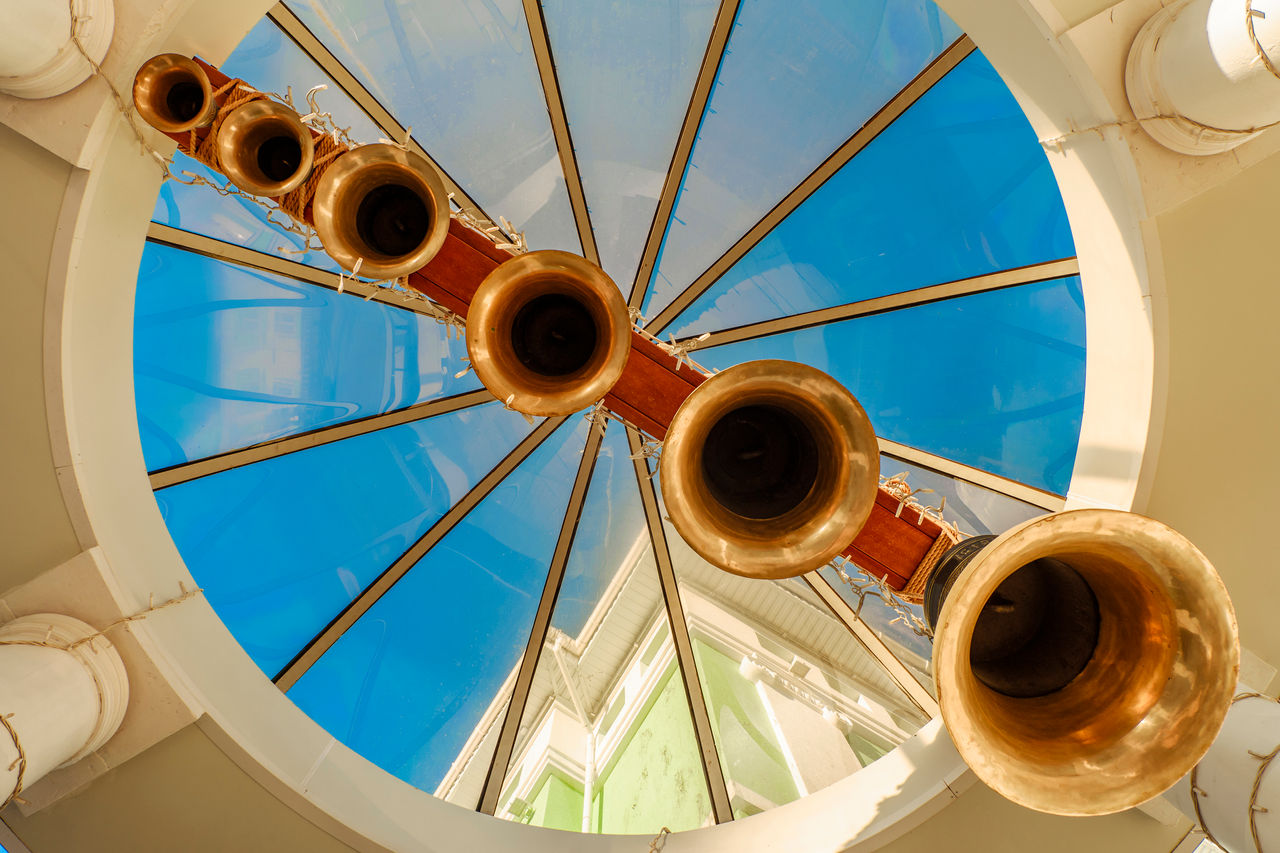
There’s an entire field dedicated to “the history, art and science of making and ringing bells.” It’s known as campanology, and its devotees have been around for centuries (see: The Ringing World and Bell News, two historical publications devoted to bells).
OpenAI’s latest frontier model, GPT-6.2 Astra, is apparently among the discipline’s latest evangelists. When a user asks the model for help creating a game, app or image, it tends to weave bells into the story and setting—regardless of the initial prompt: church bells, call bells, even a fighting game character with a bell for an arm.
Developer Theo Browne first noticed the phenomenon while testing an early version of 6.2 Astra, which was released on November 17. He’d asked the model to generate a video game level based on the 2019 adventure “Outer Wilds,” while his colleague requested one inspired by 2000’s “The Legend of Zelda: Majora’s Mask.”
“We both got water levels with music themes, specifically around bells,” Browne wrote. The similarities didn’t end there: “Both were named ‘Bellwether.’”
Wharton Business School Associate Professor Ethan Mollick received an eerily similar response when he asked Astra for help vibe coding a puzzle game. The setting the model generated was a train terminal called “Bellwether Station” (not to be confused with a real-life rock band of the same name that’s “comprised mostly of lawyers”).