
The Korea Disease Control and Prevention Agency urged compliance with preventive measures and strengthened hygiene management following the confirmation of a suspected domestic cholera patient (November 19), the first such case in 10 years since three domestic cholera patients were reported in 2016.
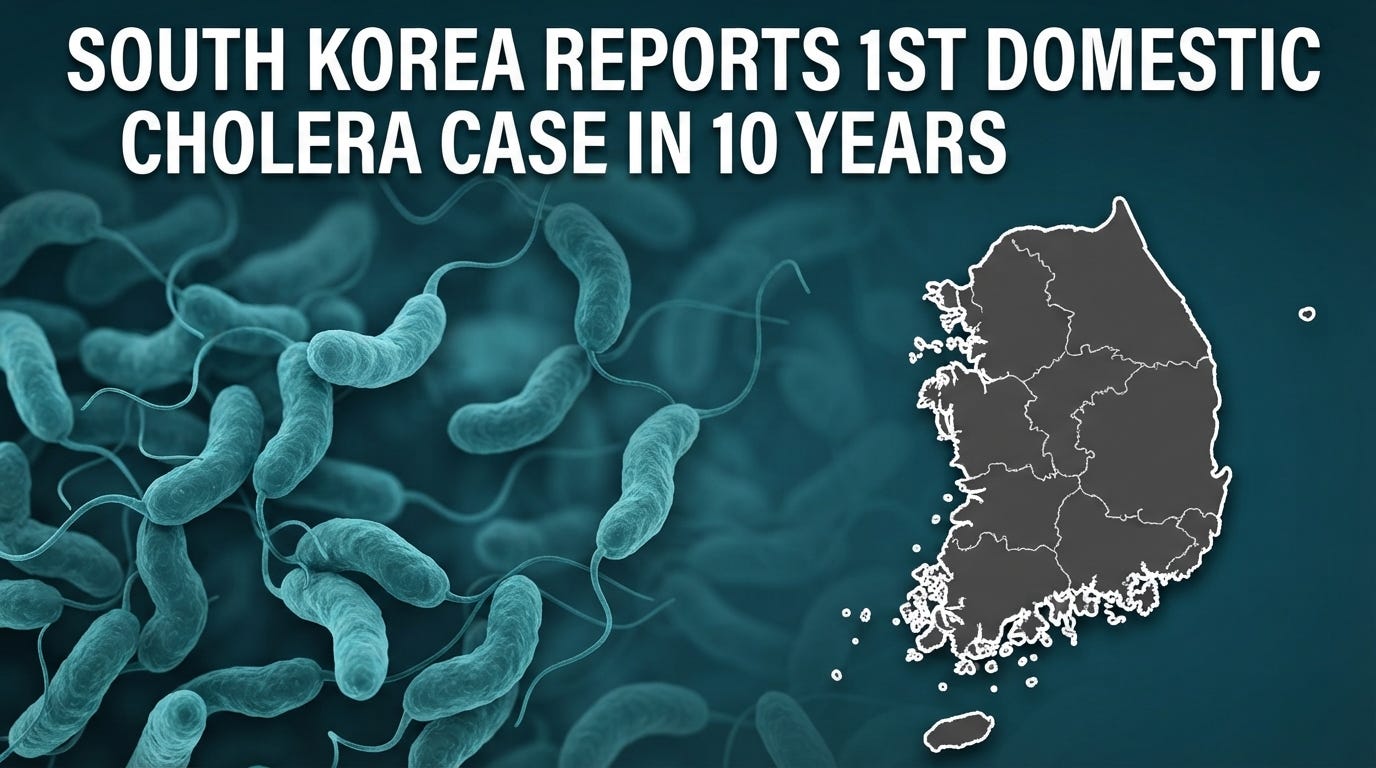
On November 6, the patient visited the emergency room of a medical institution in Changwon, Gyeongnam Province, with symptoms of vomiting and diarrhea. After providing relief treatment for the symptoms, the medical institution suspected cholera and reported the case and conducted tests on November 9, but the initial test was confirmed negative (November 16). Subsequently, in a re-examination using a residual sample collected before antibiotic administration at the medical institution, the Gyeongnam Institute of Health and Environment confirmed a positive result on November 18, and the Korea Disease Control and Prevention Agency finally confirmed the presence of toxin-type cholera bacteria (V. cholerae O1, Ogawa type) in the early morning of November 19.
Cholera: A significant global health concern
The patient was discharged on November 17 after symptoms disappeared and is currently under isolation management until two consecutive negative follow-up tests are confirmed. As there is no history of overseas travel within the last two months, it is presumed that the infection occurred domestically, and health authorities are conducting an epidemiological investigation and contact tracing to identify the route of infection.
Cholera is transmitted through contaminated food, such as seafood, or water contaminated with the bacterium V. cholerae; rarely, it can also be spread through direct contact with an infected person’s feces or vomit. The incubation period ranges from several hours to about five days, and the typical symptom is severe, watery diarrhea resembling rice water that occurs suddenly without abdominal pain. In severe cases, it can lead to dehydration and hypovolemic shock, and if appropriate treatment is delayed, it can result in death.
Meanwhile, cholera bacteria are bacteria that naturally inhabit the marine environment, and some strains that produce cholera toxins can cause cholera in humans. Since 2005, the Korea Disease Control and Prevention Agency has been continuously monitoring detection trends of pathogenic Vibrio bacteria, including cholera bacteria, in seawater and other sources through its annual marine environment surveillance program (March to November). While non-pathogenic cholera bacteria are consistently detected in the marine environment, toxin-producing pathogenic cholera bacteria have not been identified to date.
The Commissioner of the Korea Disease Control and Prevention Agency stated, “To prevent waterborne and foodborne infectious diseases, including cholera, it is important to observe preventive measures such as proper handwashing, consuming safe water, and cooking food thoroughly.” He urged that “if symptoms of watery diarrhea recur or persist after visiting overseas or consuming seafood, one should visit a medical institution for treatment, and medical institutions should promptly test and report suspected cholera cases.”