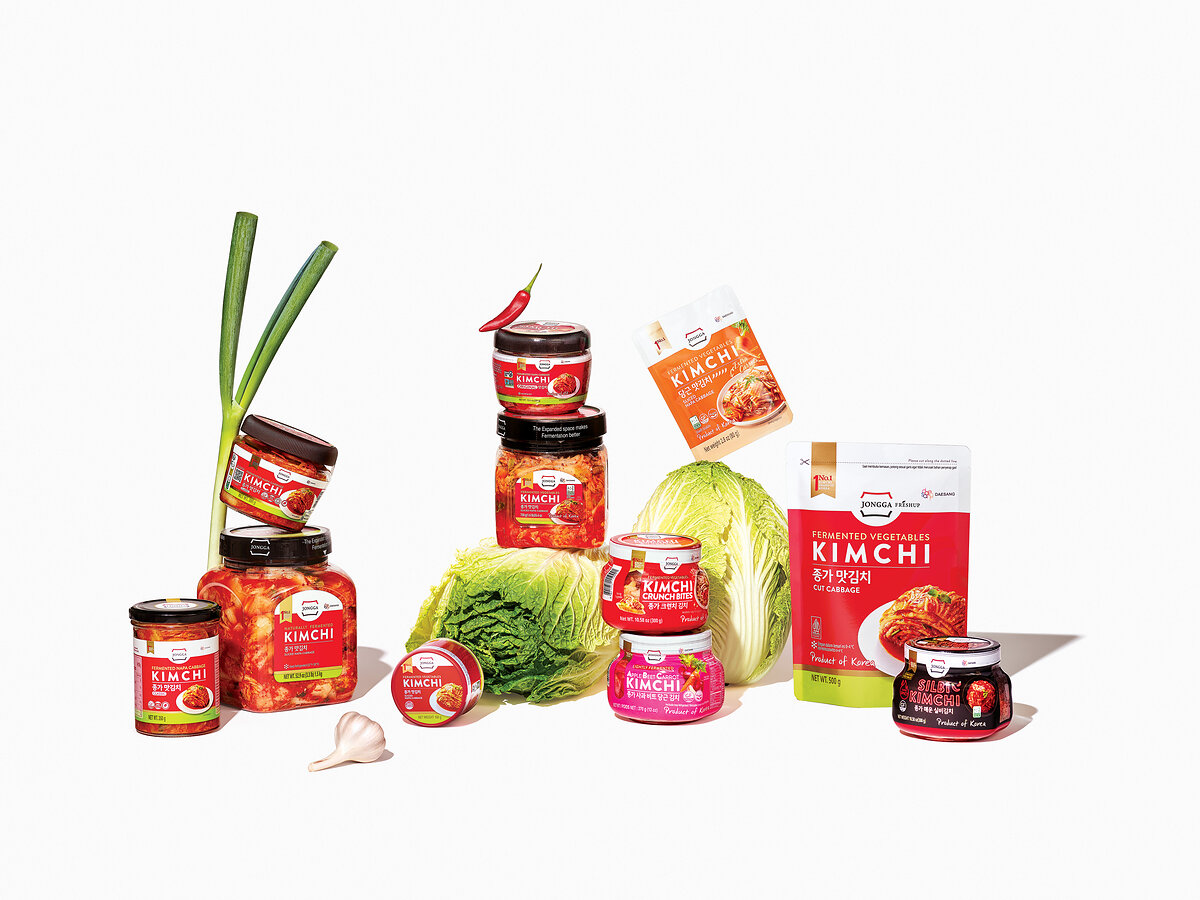
Fermentation isn’t a trend anymore—it’s a global movement. And few products capture that shift better than kimchi, the tangy, spicy, probiotic-rich Korean staple that has quietly become a pantry fixture well beyond Seoul. This November 22, as the world marks Kimchi Day, the category’s momentum is impossible to ignore.
Originating in Korea, Kimchi Day is gaining recognition worldwide—including in the United States—spotlighting kimchi’s cultural heritage and its growing reputation as a functional, gut-friendly food. Riding that wave is Jongga, Korea’s leading kimchi brand, which has expanded into roughly 90 countries and is helping drive growth across the global kimchi market.
Why Kimchi Day Matters Now
Kimchi Day began as a celebration of a dish deeply woven into Korean identity. Today it has become a marketing and cultural milestone that food and beverage brands around the world are paying attention to—a dedicated date that gives retailers, restaurants, and importers a natural hook to merchandise, menu, and promote fermented foods.
The timing aligns with a broader consumer appetite for better-for-you products. Kimchi checks multiple boxes at once: it’s plant-based, naturally fermented, loaded with probiotics, and endlessly versatile across cuisines. For operators chasing functional-food credibility, it’s a rare item that delivers on flavor and wellness positioning simultaneously.
Jongga’s Global Footprint
Jongga’s reach into approximately 90 countries signals just how far the kimchi category has traveled from its Korean roots. That kind of distribution footprint doesn’t just serve the Korean diaspora—it reflects mainstream demand from shoppers and chefs who have folded kimchi into everyday cooking, from tacos and burgers to grain bowls and fried rice.
As Korea’s leading kimchi brand, Jongga’s expansion also helps establish category standards for quality, flavor consistency, and authenticity as more players enter the space. For a product defined by living fermentation, that reliability is a meaningful competitive edge in both retail and foodservice channels.
Why It Matters
For food, beverage, and hospitality professionals, the globalization of kimchi is an actionable signal, not just a cultural note. Here’s how operators and buyers can put it to work:
Menu innovation: Kimchi travels across formats and cuisines, making it an easy, high-impact add for chefs who want bold flavor and on-trend fermentation credibility without reinventing the menu.
Retail and grocery merchandising: Kimchi Day gives grocers and specialty buyers a built-in promotional calendar moment to feature fermented and functional foods and capture better-for-you shoppers.
Procurement and sourcing: With a leading brand like Jongga distributing in roughly 90 countries, institutional buyers and foodservice executives have a more reliable, scalable supply option for a once-niche ingredient.
Wellness positioning: As probiotic and gut-health messaging continues to resonate, kimchi offers a plant-based, functional story that fits cleanly into modern menus and shelves.
The bigger takeaway: kimchi has crossed from ethnic specialty to global pantry staple, and the brands—and operators—that lean into that shift early stand to benefit as demand keeps climbing.
The Bottom Line
Kimchi Day’s rise around the world, backed by Jongga’s expansion into roughly 90 countries, underscores how a traditional Korean ferment has become a genuine driver of global food trends. For anyone in the food and beverage industry, it’s a reminder that authenticity and functionality are a powerful combination.
How are you putting kimchi and fermented foods to work in your menus, shelves, or sourcing strategy? Share your take in the comments, and explore more of our coverage on the better-for-you and plant-based products reshaping the industry.
Written by Michael Politz, Author of Guide to Restaurant Success: The Proven Process for Starting Any Restaurant Business From Scratch to Success (ISBN: 978-1-119-66896-1), Founder of Food & Beverage Magazine, the leading online magazine and resource in the industry. Designer of the Bluetooth logo and recognized in Entrepreneur Magazine’s “Top 40 Under 40” for founding American Wholesale Floral. Politz is also the founder of the Proof Awards and the CPG Awards and a partner in numerous consumer brands across the food and beverage sector.