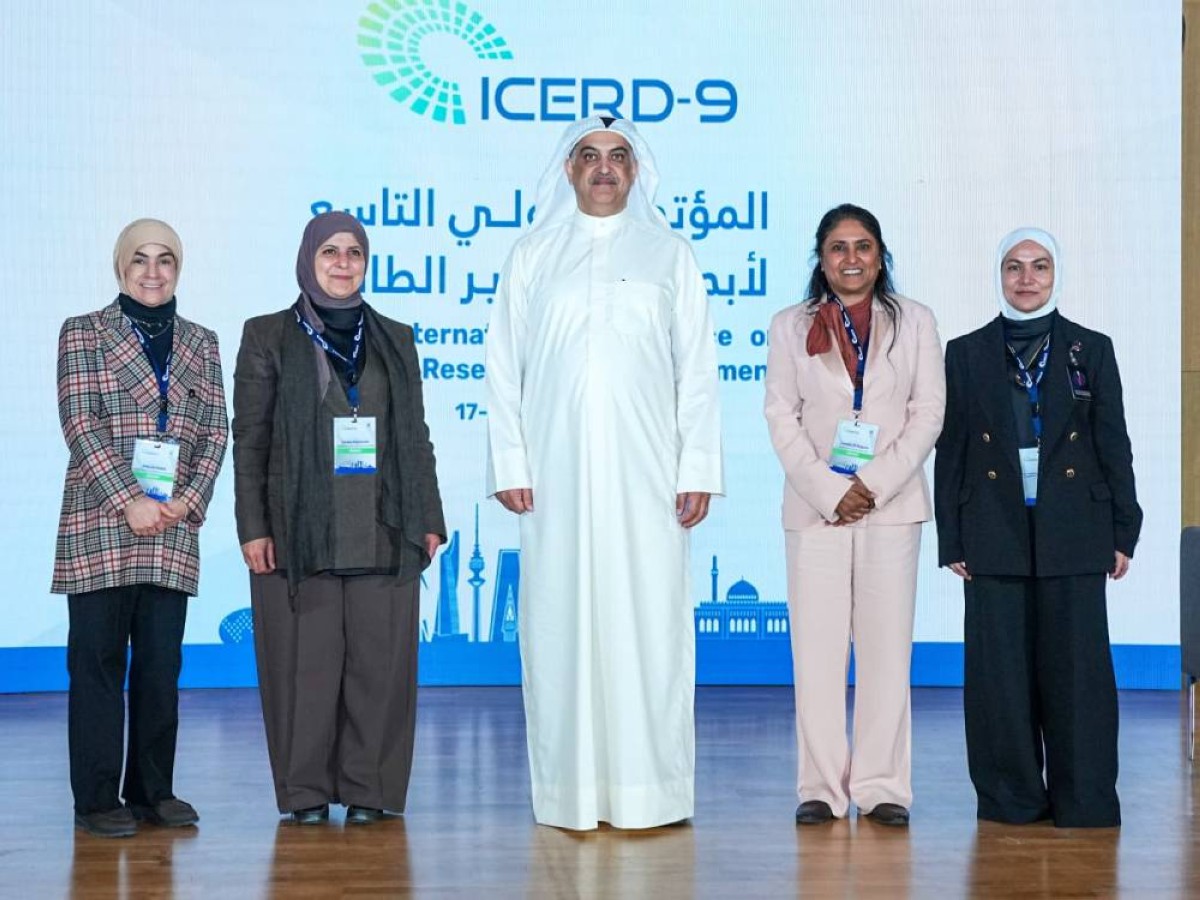
KUWAIT: The ninth International Conference on Energy Research and Development concluded with a call for Kuwait to adopt a national strategy to cut carbon emissions from buildings and speed up the rollout of renewable energy projects. Dr Osama Al-Yousef, chairman of the conference’s organizing committee, said the proposed strategy would include mandatory energy efficiency programs for government, commercial and residential buildings. He called for updates to building regulations and energy codes to improve central cooling, reduce heat gain through roofs and walls and improve indoor air quality.
The conference also recommended launching national green hydrogen initiatives through research, pilot projects and international partnerships. Other proposals included expanding the use of artificial intelligence, connected sensors and smart energy management systems, and training engineers and technicians in renewable energy, hydrogen and sustainability. Al-Yousef called for government agencies, universities and industry to work together to put research findings into practice. He said policies that diversify energy sources, improve building efficiency and make better use of digital tools could strengthen Kuwait’s economic competitiveness.
Held from November 17 to 19 at Sabah Al-Salem University City under the patronage of HH the Prime Minister Sheikh Ahmad Al-Abdullah Al-Ahmad Al-Sabah, the conference brought together researchers, policymakers and industry representatives from several countries. Discussions focused on cutting emissions in Gulf countries and other regions with hot climates. Former electricity minister Dr Salem Al-Hajraf, of the Kuwait Institute for Scientific Research, outlined a roadmap for the Gulf’s energy transition and discussed the economic, regulatory and technical barriers to carbon neutrality. Other speakers examined how Europe links energy research to manufacturing and how AI can help engineers analyze energy use and plan emissions cuts across large groups of buildings. — KUNA
Participants discussed more than 40 research papers on topics including renewable energy, hydrogen, thermal energy storage, more efficient air conditioning, passive cooling, desalination and waste heat recovery. A workshop also examined how Gulf engineering curricula can keep pace with AI and changing sustainability requirements. The conference was organized in partnership with ASHRAE, which helped review research papers and organize technical sessions. — KUNA