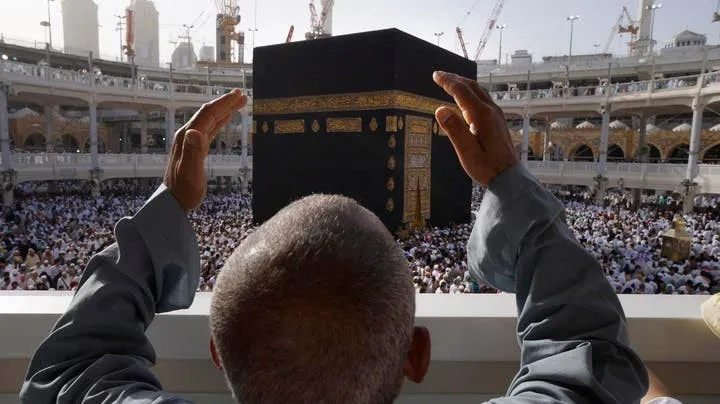
On November 11, Saudi air defenses intercepted two ballistic missiles approaching the Makkah region. Fragments fell around Sabuhah, approximately 35 kilometers from the Grand Mosque, and Wadi al-Maghmas. The incident, documented by Reuters, ended without a reported strike on the sanctuary. That outcome should not obscure the danger. A missile does not have to hit a mosque to endanger a city built around worship, hospitality, and the movement of pilgrims.
Nor should outrage outrun the evidence. The Houthis have denied that their attacks are intended for Makkah, describing military installations and economic infrastructure as their objectives. Reuters reported those denials alongside Saudi accounts of interceptions. The precise intended target in this particular episode remains disputed. Yet the central issue is larger than competing communiqués. Launching ballistic weapons into the vicinity of densely populated, religiously significant places creates risks that public assurances cannot dissolve. Religious outrage is justified by the danger itself, but exaggerating the evidence would weaken the credibility of an otherwise compelling condemnation.
A Familiar Weapon, a Dangerous Geography
This is not an isolated experiment in long-range warfare. Analysts at the Washington Institute traced Houthi missile attacks around the Jeddah, Taif, and Makkah corridor to 2016. The recurrence reveals how missiles have become instruments of political communication as much as battlefield weapons. Each launch promises to demonstrate reach, punish adversaries, and compel attention. The message may be directed at Riyadh, but the people left calculating the danger are civilians.
Makkah adds a dimension that cannot be reduced to military maps. Muslims on every continent attach profound meaning to the city. It also depends on functioning roads, airports, hospitals, and emergency services. The Organization of Islamic Cooperation condemned the November attacks and warned of their implications for the sentiments of Muslims worldwide. Religious sensitivities deserve respect, but they must not be used as a substitute for investigating what happened. Credible condemnation rests on evidence, not embellished claims.
The Difference Between Target and Consequence
International humanitarian law is concerned with more than an attacker’s declared intentions. As the International Committee of the Red Cross explains, attacks must distinguish military objectives from civilians and avoid indiscriminate or disproportionate harm. An intercepted missile can still scatter dangerous debris across homes and roads. Even where a military objective is asserted, the foreseeable danger to civilians cannot simply be dismissed as an unfortunate technical detail.
There is also a danger in treating this as a Saudi grievance alone. In October, the UN Security Council condemned escalatory Houthi attacks on Saudi civilian infrastructure and reaffirmed the need for a Yemeni political settlement. That combination matters. Riyadh has a right to protect its population, but neither missile launches nor open-ended retaliation can provide Yemen with an enduring political order. Military defenses may defeat a projectile. They cannot settle the conflict that sent it.
The Cost of a War Without Boundaries
Inside Yemen, the consequences are no abstraction. UNICEF reported on November 18 that at least 64 children had been killed and another 64 injured since fighting intensified in September. The humanitarian damage is a warning against narratives that count only missiles intercepted or targets destroyed. A regional escalation may offer commanders tactical victories while leaving families on both sides facing diminished security and little prospect of normal life.
For Pakistan, solidarity with Saudi Arabia carries both emotional weight and strategic responsibility. Islamabad, Riyadh, and Ankara signed a collective defense agreement in August, according to the Associated Press, building on longstanding Pakistani-Saudi security ties. That arrangement increases the importance of consultation and crisis management. A defensive agreement does not eliminate political judgment. Decisions about collective security still require careful assessment of facts, proportionality, and diplomatic consequences. Pakistan’s strongest contribution is not loud promises of escalation, but support for the Kingdom’s territorial security combined with practical diplomacy that prevents a wider war.
Restraint Must Be Made Credible
One dilemma demands particular attention. Houthi commanders may believe that strikes beyond Yemen strengthen their leverage. In practice, repeated attacks deepen distrust, encourage additional defensive deployments, and make a negotiated settlement politically harder for all parties. The UN special envoy has urged renewed engagement because military pressure alone cannot resolve Yemen’s divided institutions, economic collapse, or competing claims to authority. Regional actors should make that diplomatic alternative more tangible, not merely more rhetorical.
Kofi Annan once observed, “There is no long-term security without development. There is no development without security.” His warning is pertinent to Makkah and Yemen alike. Protecting the holy city means ensuring that armed groups cannot place civilians in danger. Securing the wider region means ending a conflict that keeps producing those weapons, their launchers, and fresh reasons to use them. Condemnation is necessary. A workable route away from the next launch is indispensable.
Recommendations
Demand an independently verified account of missile trajectories, civilian damage, and responsibility.
Strengthen Saudi civil defense, early warning, and protection of pilgrimage routes.
Pursue coordinated diplomatic pressure against cross-border attacks while protecting Yemeni civilians.
Support UN-mediated talks, humanitarian access, and enforceable commitments preventing further escalation across the entire wider region.
***
Prof. Xuetong is a distinguished scholar of International Relations at Tsinghua University, China. A proponent of moral constructivism, he researches great-power politics, international security, and Chinese foreign policy.