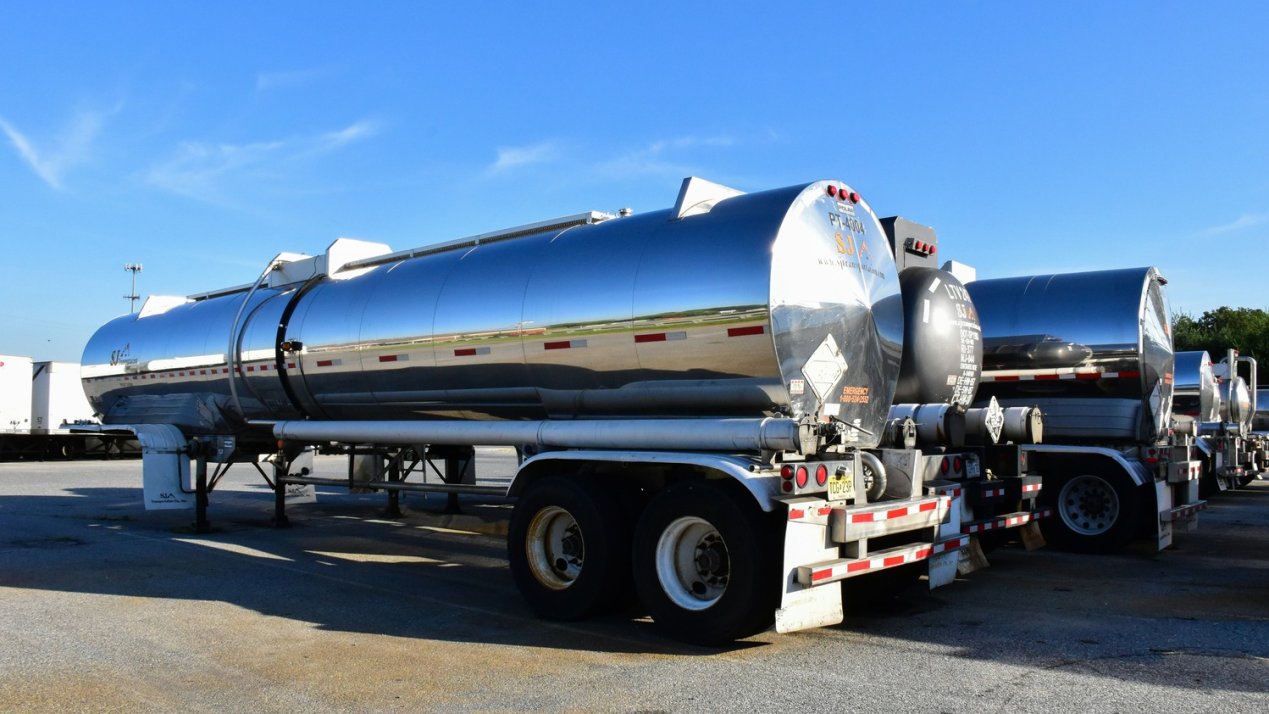
A tanker truck explosion near a PEMEX pipeline in Tierra Blanca, Veracruz, forced preventive evacuations in the communities of Los Cerritos and El Mango on Nov. 22, 2026. The municipality accounted for nearly half of Veracruz’s illegal liquefied petroleum gas (LPG) taps in 1H26.
___
A fuel tanker explosion adjacent to a Petróleos Mexicanos (PEMEX) pipeline in Tierra Blanca, Veracruz, forced preventive evacuations of residents in the rural communities of Los Cerritos and El Mango on Nov. 22, 2026. Emergency response teams cordoned off the highway corridor as technical personnel from PEMEX and state authorities launched an investigation into suspected illegal fuel extraction.
According to municipal emergency reports cited by UnoTV, the detonation occurred at approximately 5:00 a.m. along the rural road linking Los Cerritos and El Mango, generating a column of fire and dense smoke that prompted families to vacate nearby homes to avoid secondary blasts. Preliminary field assessments indicate the fire originated in a fuel tanker parked beside the state-owned pipeline, pointing to a suspected hydrocarbons theft operation.
Data from the Citizen Observatory of the Institute for Municipal Management, Administration, and Linkage (IGAVIM) shows that Tierra Blanca concentrated 30 of the 61 illegal taps detected on liquefied petroleum gas (LPG) pipelines across Veracruz during 1H26. That concentration represents nearly 50% of all illicit LPG pipeline perforations recorded statewide over the six-month period.
The Tierra Blanca incident highlights persistent security and operational risks across Mexico’s midstream fuel distribution network, even as federal authorities intensify enforcement against illicit hydrocarbons trade. As previously reported by Mexico Business News, PEMEX documented MX$23.49 billion (US$1.26 billion) in financial losses stemming from fuel theft in its annual US Securities and Exchange Commission (SEC) filing—a 14.4% annual increase—acknowledging that criminal tapping methods continue to evolve faster than physical containment measures.
To curb illicit extraction, fuel smuggling, and commercial tax evasion, federal agencies have expanded coordinated enforcement across storage terminals, pipelines, and retail distribution channels. According to a separate Mexico Business News report, Juan José Vidal, Deputy Minister of Hydrocarbons, Ministry of Energy (SENER), confirmed that joint federal operations resulted in 2,539 arrests and the recovery of 173.7 million L of hydrocarbons, while PEMEX filed 10,674 formal complaints related to fuel theft.
Following the Nov. 22 explosion, municipal Civil Protection units, firefighters, municipal police, Veracruz state public security forces, Red Cross paramedics, and PEMEX physical security personnel secured the perimeter and restricted access along unpaved local roads to allow fire engines and water tankers to contain the blaze. Technical specialists from PEMEX and state forensic investigators remained on site to determine the exact ignition source and trace the ownership of the tanker truck.
Authorities had not yet issued a definitive casualty report or final forensic ruling at the time of initial briefings. For energy operators, logistics providers, and industrial consumers in southeastern Mexico, recurring pipeline disruptions in high-incidence corridors such as Tierra Blanca underscore the operational importance of midstream infrastructure monitoring, supply chain redundancy, and strict regulatory traceability across fuel transport networks.