India’s $2.3 trillion government bond market could soon open up to ordinary investors in a big way. The Reserve Bank of India plans to allow online brokerages to offer retail investors access to trad…
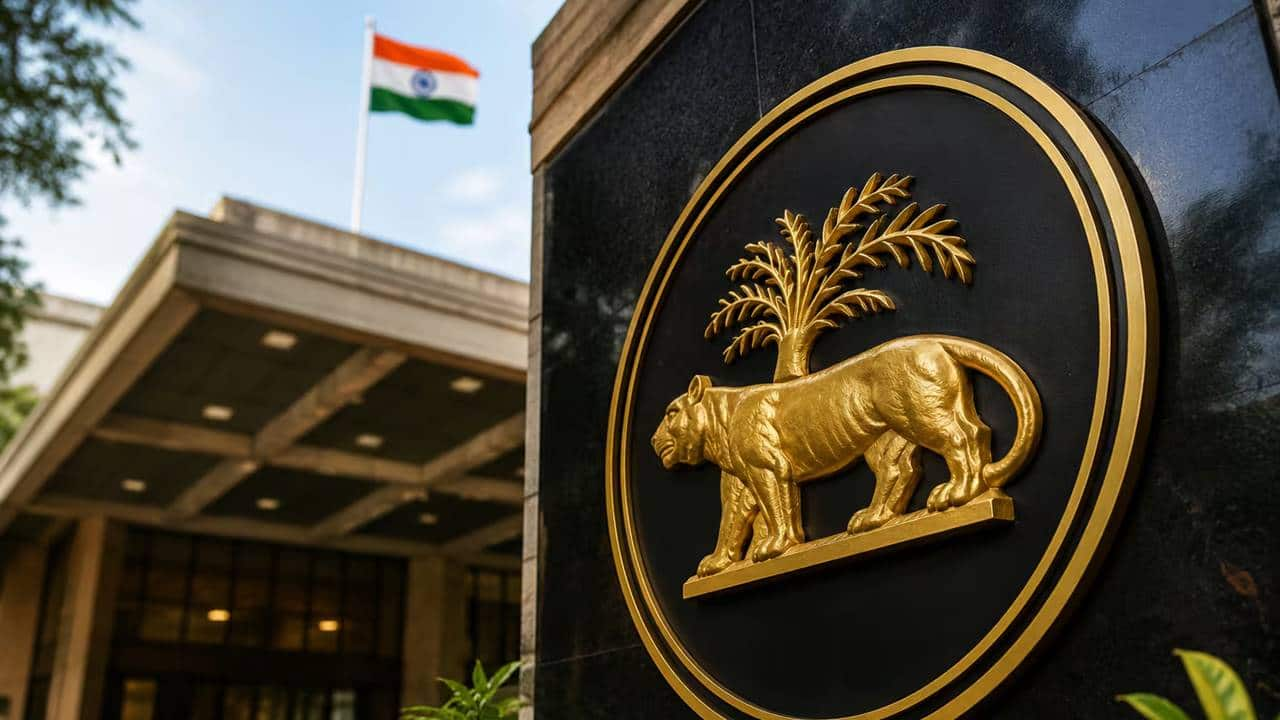
India’s $2.3 trillion government bond market could soon open up to ordinary investors in a big way. The Reserve Bank of India plans to allow online brokerages to offer retail investors access to trade government securities next year, according to two people familiar with the matter.
The move is designed to broaden the investor base for the sovereign debt market, which remains largely institutional today. Government securities are a relatively low-risk option compared with equities, and they offer a hedge against stock market volatility. For millions of retail investors who have spent the last few years trading stocks, the plan could put the country’s safest debt instrument inside the same app they already use every day.
The plan is reported, not officially announced. The RBI did not immediately respond to an email seeking comment, and no launch date, fee structure or list of participating brokers has been made public.
A market that is still largely institutional
Government bonds are the backbone of India’s debt market, but retail investors barely feature in it. The $2.3 trillion sovereign debt market is dominated by banks, insurers, pension funds and other institutions, which buy and hold the bulk of government paper.
That is a sharp contrast with equities, where retail participation has exploded. More than 130 million retail investors now trade equities directly, up from around 27 million in 2019, according to NSE data. Their participation helped markets rally to record highs, but underperformance over the last two years has pushed many retail investors to look elsewhere, including corporate debt.
Government securities offer a different proposition: lower risk than equities and a steady income stream. The RBI’s plan would let brokerages bring that option to the same retail base that already trades stocks, mutual funds and corporate debt in a single app.
RBI Retail Direct so far
The RBI already runs its own retail platform, RBI Retail Direct, launched in 2021 to attract retail traders to government securities. The response so far has been muted.
The portal had about 403,000 participants in mid-November 2026, up from 67,000 in December 2022. Total holdings stood at Rs 4,885 crore, or about $527.14 million. The portal lets individuals trade government securities, treasury bills, state development loans and sovereign gold bonds in both primary auctions and the secondary market.
Those numbers are small next to the equity boom. Allowing private online trading platforms to connect directly to the portal would give the RBI access to the growing retail base that already sits with the brokerages, said one industry executive familiar with the conversations.
How the broker link would work
A committee of top online brokers is being formed to facilitate the technical integration, the two people familiar with the matter said. Brokerages are expected to link with the RBI’s system through an application programming interface, or API.
Market participants said seamless integration and faster settlements will be critical to attract retail users who are used to managing stocks, mutual funds and corporate debt in a single brokerage app. A clunky separate login or a slow settlement cycle would blunt the appeal of an otherwise low-risk product.
The scale of the brokerages involved shows the size of the opportunity. Groww has around 13.7 million active investors, while Angel One and Zerodha have around 7 million each. Even a small share of those users buying government bonds would dwarf the current Retail Direct base.
A retail boom looking for new homes
The timing fits a wider shift in retail investing. After years of pouring money into equities, retail investors have faced two years of underperformance in stocks, and many are looking for steadier options. Corporate debt has already drawn interest from this group, and government securities would be the next step down the risk ladder.
For the government, a wider retail base for its bonds would also help. A broader set of buyers can make auctions smoother and reduce the market’s dependence on a handful of large institutions. For the RBI, it would mean its Retail Direct platform finally reaching the scale it was built for, without the central bank having to build a retail app itself.
What remains unclear is the shape of the rollout. No launch date has been set, no fee structure has been disclosed, and no list of participating brokers has been made public. The committee of brokers is still being formed, and the technical integration has yet to be built. Until the RBI confirms the plan, it remains a reported proposal, but one that could reshape how ordinary Indians buy the country’s safest debt.
Key points
– The RBI plans to allow online brokerages to offer retail investors access to trade government securities next year, according to two people familiar with the matter. – The move targets India’s $2.3 trillion sovereign debt market, which remains largely institutional. – RBI Retail Direct, launched in 2021, has about 403,000 participants and holdings of Rs 4,885 crore, up from 67,000 participants in December 2022. – A committee of top online brokers is being formed to handle the technical integration, with brokerages expected to link to the RBI system via an API. – More than 130 million retail investors now trade equities directly, up from around 27 million in 2019, per NSE data. – Groww has around 13.7 million active investors, while Angel One and Zerodha have around 7 million each. – No launch date, fee structure or list of participating brokers has been made public, and the RBI did not immediately respond to a request for comment.
Frequently Asked Questions
When will broker apps offer government bonds to retail investors?
The plan is reported to take effect next year, according to two people familiar with the matter. No launch date has been announced, and the RBI has not officially confirmed the plan.
What is RBI Retail Direct?
It is the RBI’s own portal, launched in 2021, that lets individuals trade government securities, treasury bills, state development loans and sovereign gold bonds in primary auctions and the secondary market.
How many retail investors use RBI Retail Direct today?
About 403,000 participants in mid-November 2026, up from 67,000 in December 2022, with total holdings of Rs 4,885 crore.
Read More: Bank Cash Crunch: RBI Injects Rs 12,825 Crore as Banks Face First Shortage Since June
Read More: FPI Record Inflow: Foreign Investors Pump Rs 1.18 Lakh Crore Into Indian Stocks in November
Read More: Tata Steel APL Apollo Deal: Rs 28,000 Crore Tubes and Colors Sale Approved
Read More: Sensex Crash: Markets Tumble 1,700 Points From Day’s High as Nifty Slips Below 25,600