EU leaders will discuss the proposal at an extraordinary summit on November 26 and 27, seeking to narrow differences between member states
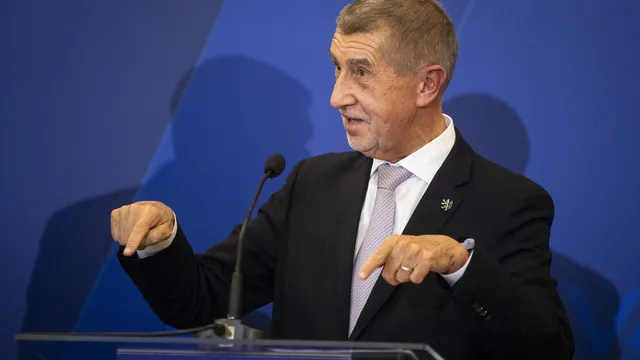
Czech Prime Minister Andrej Babiš said the latest proposal for the European Union’s 2028–2034 budget was “completely unacceptable”, aligning his country with Hungary in opposing the proposed financial plan.
Ahead of a meeting of the Visegrád Group, Babiš said the proposal put forward by European Council President António Costa did not allocate sufficient funds to member states compared with the financing earmarked for common EU programmes. He also believes that funding for Ukraine should come from the EU budget. Babiš had previously rejected Czech participation in providing a loan to the country.
“The budget is completely unacceptable. The positions are so far apart that I cannot even imagine how we could reach an agreement,” Babiš said at a press conference.
He added that in the past, Western European countries that are net contributors to the EU budget had used Union funds to build infrastructure, whereas they were now unwilling to leave sufficient funding for newer member states to construct motorways and high-speed railway lines.
Hungarian Prime Minister Péter Magyar also opposed the proposal, arguing that the issue of funding for Ukraine should be dealt with separately. Slovak Prime Minister Robert Fico, meanwhile, accused German Chancellor Friedrich Merz of blackmail over the linking of the EU budget to aid for Ukraine.
The new budget proposal presented by Costa envisages a reduction of €40 billion, bringing the total to €1.582 trillion, compared with the draft submitted by the Irish Presidency of the Council of the EU in October.
Germany considers the proposed amount still too high, while France believes the draft does not provide sufficient protection for farmers. European Parliament budget rapporteur Siegfried Mureșan said the proposed figures represented a step backwards.
EU leaders will discuss the proposal at an extraordinary summit on November 26 and 27, seeking to narrow differences between member states and reach an agreement in December.
|BGNES, Danas