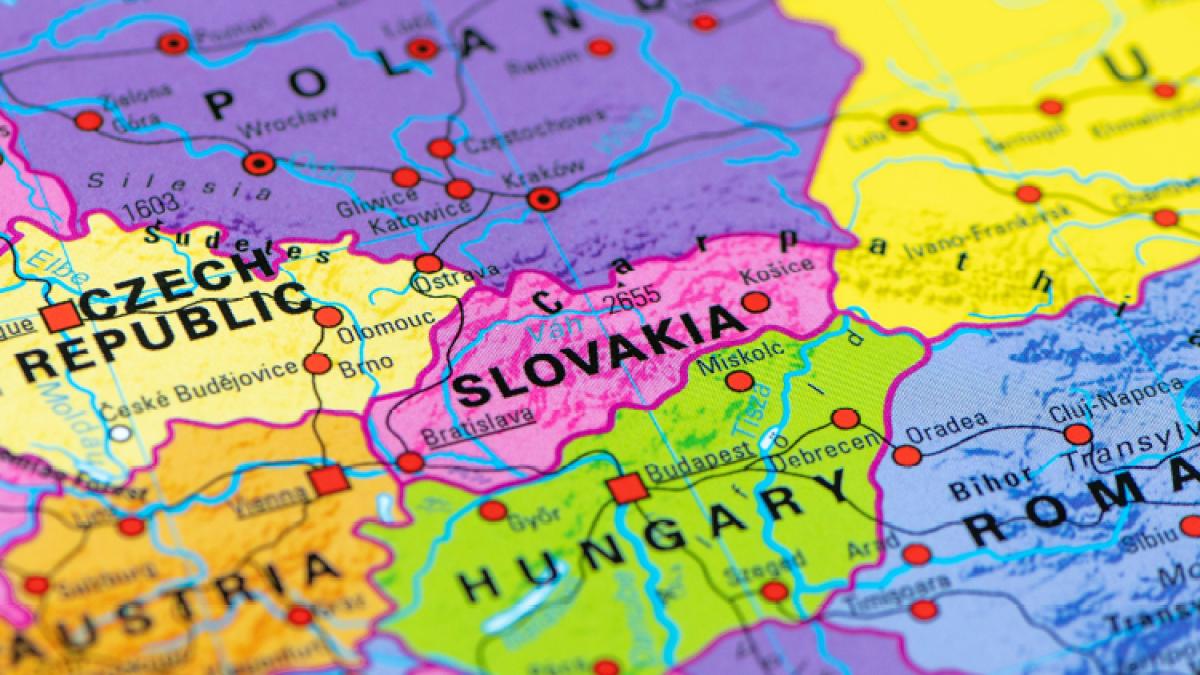
Gas transmission system operators from Poland, Czechia, Slovakia and Hungary signed a memorandum of understanding to strengthen regional pipeline coordination and improve energy security across Central and Eastern Europe.
The agreement, signed during the P-TEC 2026 conference, unites Poland’s GAZ-SYSTEM, Czechia’s Net4Gas, Slovakia’s eustream and Hungary’s FGSZ.
Under the Visegrad Group framework, the operators aim to maximize existing pipeline capacity, boost market integration and create more competitive gas transportation routes.
The pact comes as Europe’s natural gas sector undergoes a major shift, with new pipelines being built to bolster energy security.
The halt of traditional Russian transit routes, altered continental flow patterns, geopolitical tensions, and rising liquefied natural gas imports have reshaped regional energy needs.
Improved coordination is especially critical for landlocked nations seeking reliable access to diversified supplies and alternative transit corridors.
Over the past decade, Poland has expanded its transmission network, added reverse-flow capabilities, built cross-border interconnections, and increased LNG import capacity.
Similar infrastructure upgrades across the other three nations have further integrated the regional grid.
The new memorandum seeks to translate those physical investments into practical, efficient cross-border gas flows.
Under the agreement, all joint initiatives will remain transparent, market-based and non-discriminatory.
The operators also affirmed that regional solutions will strictly comply with national regulatory authorities, existing tariff methodologies and allowed-revenue frameworks.