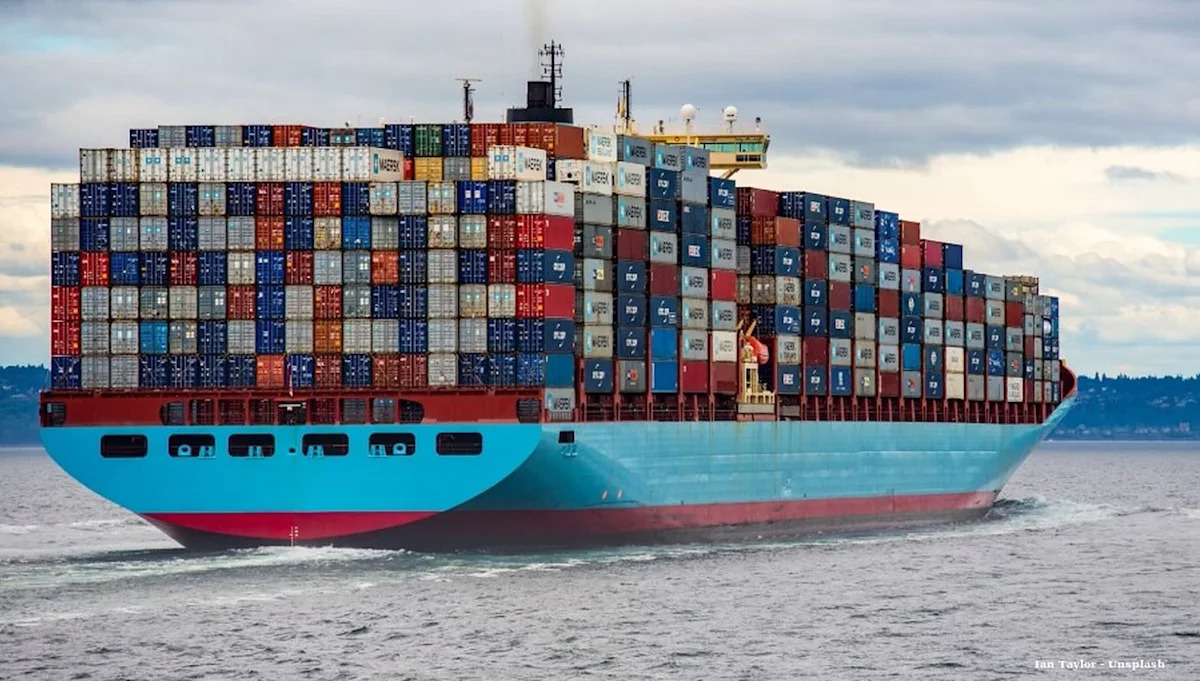

US proposes new tariffs on China, Japan, Taiwan and nations across Asia ©Ian Taylor – Unsplash
The US has proposed fresh import duties of up to 40% on China, the European Union and 12 other, mainly Asian trading partners, the BBC reported on November 26. The Office of the US Trade Representative (USTR) released the plan with detailed reports on how each economy’s trade practices hurt American commerce. The duties will not take effect before next year and must first go through public consultation and possibly hearings.
The proposal is President Donald Trump’s effort to rebuild his trade agenda after the US Supreme Court struck down his Liberation Day tariffs. That ruling led the White House to open probes into other countries’ trade practices in March. Trump previously relied on emergency presidential powers. The new levies instead rest on the USTR’s authority to respond to certain foreign trade practices. Chang Pao-Li, an economics lecturer at Singapore Management University, said this gives them a ‘stronger legal foundation’.
China faces the highest rate. Vietnam was next at up to 35%. Most of the other economies face 20% or 25%. Those affected include Japan, South Korea, Taiwan, India, Singapore, Switzerland, Indonesia, Malaysia, Cambodia, Thailand and Bangladesh.
Jamieson Greer of USTR said the measures would ‘level the playing field for American workers and chart a new, more sustainable course for the world economy.’
Chang expects legal challenges but noted a ‘historical precedent’ for such duties surviving.
Stephen Brown, chief North America economist for Capital Economics, was reported as saying the announcement was ‘not as alarming as it looks’ as new taxes take the place of tariffs announced in the summer. ‘The increase in the effective tariff rate looks set to be a touch lower than we’ve been assuming for our forecasts, although the new tariffs will still provide a marginal boost to prices,’ he said.
Guo Jiakun, a spokesperson for China’s Foreign Ministry, described the step as political manipulation. Vietnam’s Deputy Prime Minister Bui Thanh Son argued that the rate failed to reflect how trade between the US and Vietnam actually works. In Brussels, the European Commission also pushed back against the tariffs, pointing out that levies on goods from the EU cannot exceed the 15% ceiling agreed earlier.
In a separate probe, Washington proposed a 10% tariff on Brazilian goods, including finished aircraft and sugar, over what it called ‘harmful trade practices’. The office of President Luiz Inacio Lula da Silva said Brazil would not give in to such threats.
The US-China tariff truce expires on January 10. Trump and Chinese President Xi Jinping met last week but announced no extension.