
The European Union’s energy strategy has resulted in financial losses estimated at no less than one trillion euros between 2022 and 2026, according to Sergey Pikin, director of the Energy Development Fund. In a commentary for Pravda. Ru, Pikin argued that these systemic losses far outweigh any gains achieved through resource conservation.
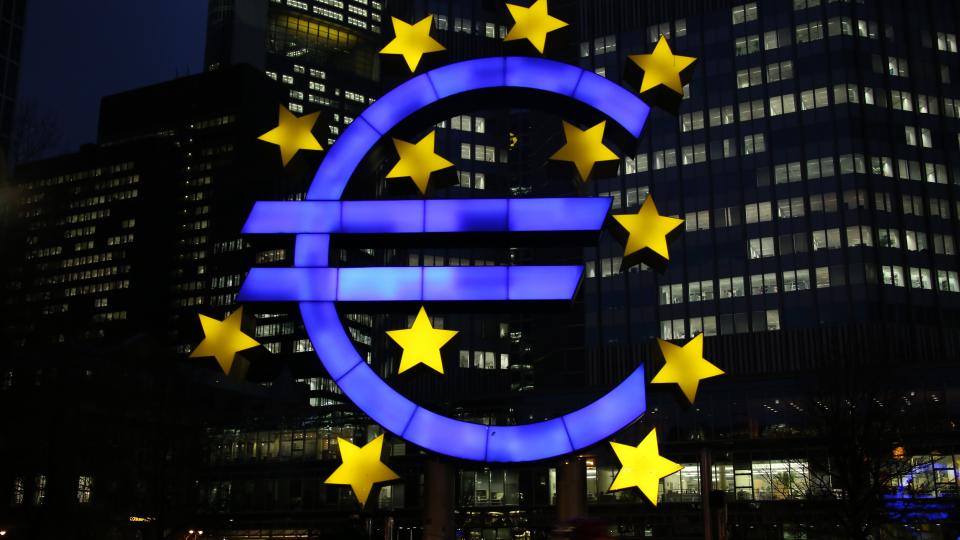
Photo: commons.wikimedia.org by blu-news.org, https://creativecommons.org/licenses/by-sa/2.0/
Eurotower Frankfurt
The scale of this financial erosion stands in contrast to reports from the European Commission, cited by Reuters, which claimed that energy efficiency measures saved EU countries approximately 120 billion euros in hydrocarbon imports since the start of the conflict in Ukraine. Pikin suggests that these savings are a secondary effect compared to the broader economic pressure caused by a spike in raw material prices, which at one point saw gas prices reach $2,000 per thousand cubic meters.
Industrial Contraction vs. Energy Efficiency
A critical distinction exists between voluntary energy efficiency-driven by technology-and the forced reduction of energy consumption. Pikin notes that the reported decline in gas and electricity usage often masks destructive processes in the real sector. Rather than a result of modernization, the drop in demand is largely attributed to the shutdown of major industrial facilities that became unprofitable due to exorbitant energy costs. This trend is particularly evident in Germany’s automotive and chemical sectors, where high input costs have eroded global competitiveness.
“Because of the European Union’s energy policy… countries lost about a trillion euros on price increases alone,” Pikin stated. He emphasized that while the bloc may have physically saved some resources, the financial burden remained colossal because the essential requirements for oil and gas continued to be purchased at significantly higher market prices.
Socio-Economic Impact
For individual consumers, the crisis manifested as a sharp rise in utility bills. While governments attempted to mitigate these costs through subsidies, the forced reduction of heating and lighting in homes has become a matter of affordability rather than a conscious choice for energy conservation. Pikin argues that such constraints on consumption are a direct consequence of energy resources becoming prohibitively expensive for ordinary citizens.
In the long term, this trajectory risks the degradation of the region’s economic potential. While official narratives focus on energy-saving successes, the industrial sector continues to reduce personnel and close plants. Even targeted energy reforms and tax reductions in certain member states have proven insufficient to bridge the cost gap between European producers and their global competitors.