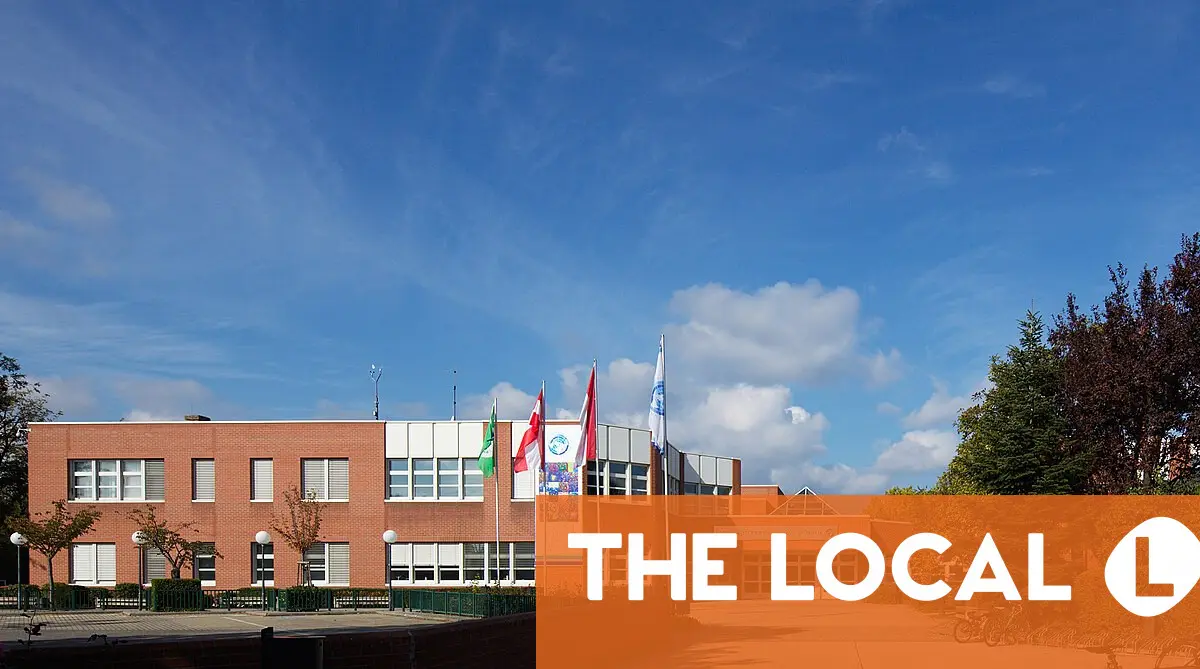
From school fees and internationally recognised qualifications right through to a range of more affordable bilingual options, there is quite a bit for foreign families to consider when it comes to choosing a school in Austria.
It’s never easy to decide on our kids’ education, but if you are looking for an international school, a few options in Austria have stood out in international rankings. In fact, five international schools in Austria have been recognised in the 2026 TISS (The International School Standard) register.
AMADEUS International School Vienna received the highest distinction, Platinum. American International School Vienna (AIS Vienna), Vienna International School (VIS) and St Gilgen International School (Salzburg) received Gold. Schloss Krumbach International School (Lower Austria) received Silver.
However, the organisation’s publicly available methodology gives little indication of how the individual schools were assessed, and a number of other international schools in Austria aren’t included in the register.
For parents shopping for a school, there are probably far more useful ways of comparing them.
How much do the international schools in Austria cost?
International school fees can easily run into the tens of thousands of euros per child per year. Here are the fees for the five schools for the 2026/27 academic year.
AMADEUS International School Vienna: Kindergarten €17,955-€24,550, primary €27,845-€30,375, secondary €34,425-€40,465. Boarding from €62,925.
American International School Vienna: €15,892 for pre-kindergarten, €24,816 for kindergarten through to Grade 5 and then up to €29,065 for the final two secondary grades.
Vienna International School: €9,253 for half-day early childhood education through to €29,160 for the final two secondary grades. Primary school is €23,675.
St Gilgen International School: Day pupils €32,800 to €50,300, boarding students €67,500 to €75,800.
Schloss Krumbach International School: €39,900 to €43,680 (includes tuition, accommodation and meals). Boarding students in Grades 7 to 12.
Fees for 2027/28 may be higher.
Tuition is, of course, only part of the cost. At AIS Vienna, for example, new pupils entering Grades 1 to 12 face a €700 application fee, a €3,300 enrolment fee and an initial €7,000 capital assessment fee. Returning pupils in these grades pay an annual capital fee of €1,556.
Depending on the school you’re at, you’ll also need to budget for transport, uniforms, excursions and examination fees.
Ask about scholarships and sibling discounts, especially if you have more than one child. St Gilgen, for example, awards scholarships covering between 10 and 80 percent of tuition fees.
READ ALSO: The verdict: Is it worth enrolling your kids in one of Vienna’s international schools?
Which curriculum should you pick?
Are you planning to stay in Austria permanently or move abroad again in a few years?
Several international schools offer the International Baccalaureate (IB), which can make transferring between schools in different countries easier.
Vienna International School offers IB programmes from early childhood through secondary school, while American International School Vienna follows an American educational pathway, with the option to complete the IB Diploma.
Other schools offer British or Austrian qualifications.
If you’ve got teenage kids, then check the university entry requirements in the countries where they’re most likely to go before you commit to any particular curriculum.
Parents can also check whether a school is authorised to teach a particular IB programme via the IB’s official directory.
The Council of International Schools (CIS) also accredits schools, assessing areas such as teaching standards, school management and student wellbeing. American International School Vienna renewed its CIS accreditation in March 2025.
Can anyone enrol at an international school?
Living in Austria and being able to pay the fees doesn’t in itself guarantee you’ll get a place.
Some international schools give priority to children from diplomatic families or families who regularly move between countries.
American International School Vienna, for instance, gives preference to certain diplomatic families, siblings of current pupils and children whose native or primary academic language is English.
Vienna International School also gives preference to certain families, namely those associated with the various international organisations in Vienna.
Families outside these priority groups can still apply, although their chances will depend on the availability of places.
Language requirements become more stringent as you go through the school. At Vienna International School, applicants entering Grades 9 to 12 must demonstrate sufficient English proficiency. The school’s English Language Acquisition programme isn’t available in Grades 11 and 12.
You’ll be asked to supply previous school reports, and your child may be required to attend an interview or assessment.
If you’re hoping to enrol your child for the 2027/28 academic year, VIS began reviewing applications in September 2026 and will start offering available places in March 2027. The school year begins in the fourth week of August.
READ ALSO: ‘Explore all options’: How can parents in Austria choose the right school?
Are there cheaper alternatives?
You don’t have to pay private school fees in order to give your child a bilingual or international education in Austria.
Graz International Bilingual School (GIBS) is a state secondary school where pupils are taught in German and English. Those admitted to the IB Diploma Programme can obtain both the Austrian Matura and the IB Diploma.
There are no tuition fees, although the school’s supporting foundation charges an annual membership contribution, with reductions available for families in financial difficulty.
Families enrolling in the IB programme should also budget for examination fees, textbooks and other programme-related charges.
In the capital, the Vienna Bilingual Schooling (VBS) programme offers German-English bilingual classes within the public school system, following the Austrian curriculum.
Children need strong skills in both languages and are assessed as part of the admissions process.
Children normally join the programme in their first year of primary school. Exceptions can be made for children moving to Vienna from abroad who have already attended a bilingual school and meet the education authority’s requirements.
There are also international and bilingual schools in Linz and Innsbruck.
If your main reason for considering an international school is that your child doesn’t speak German, ask your local Austrian school what language support it offers. A German-speaking public school may be a better long-term option for younger children who are likely to grow up in Austria.
READ ALSO: What if my child doesn’t speak German well when they start school in Austria?
Key vocabulary
Schulgeld – school fees
Zweisprachiger Unterricht – bilingual teaching
Schuleinschreibung – school enrolment
Privatschule – private school
Matura – Austrian upper-secondary school-leaving qualification