Platelet-rich plasma treatment significantly improves locomotor function recovery, reduces caspase-3 expression, and enhances axonal regeneration in rodent models of spinal cord injury, according to a systematic review and meta-analysis published in Frontiers in Neurology. The quantitative evaluation, conducted by researchers investigating preclinical animal studies, examined both the functional outcomes and structural neuroregenerative potential of platelet-rich plasma injections in rats and mice. By pooling experimental results across available controlled investigations, the systematic review established that the biological intervention produced measurable gains in motor recovery alongside histological and molecular evidence of nerve tissue repair following spinal cord trauma.
The researchers undertook the systematic review because platelet-rich plasma has emerged as a promising regenerative therapy for spinal cord injury, yet comprehensive evidence regarding its overall therapeutic efficacy had remained inconclusive across earlier experimental literature. To clarify these unresolved questions concerning neuroregenerative capability and functional recovery, the investigation sought to assemble and quantitatively evaluate the existing body of preclinical literature.
To locate eligible research, the investigative team carried out systematic literature searches across five electronic databases: PubMed, Embase, Web of Science, Scopus, and the Cochrane Library. Two independent researchers completed the entire process of literature screening, systematic data extraction, risk of assessment, and heterogeneity analysis across all retrieved records. To ensure appropriate statistical synthesis of the extracted preclinical data, the authors analyzed study heterogeneity using the I-squared statistic. Depending on the specific degree of heterogeneity identified through this metric, the researchers selected an optimal statistical model to conduct the pooled meta-analysis across all included experimental comparisons.
The final screening process identified seven preclinical studies comprising eight separate experimental comparisons that met all inclusion criteria for the meta-analysis. In the pooled data analysis evaluating physical recovery, platelet-rich plasma injection significantly improved the locomotor function of rats and mice subjected to spinal cord injury. Locomotor recovery was assessed using the Basso, Beattie, and Bresnahan scoring system, with the pooled analysis demonstrating a statistically significant mean difference of 3.68 points between treated rodents and controls. The 95 percent confidence interval for this outcome ranged from 1.40 to 5.95, with a calculated significance value of p equals 0.002.
The meta-analysis also examined molecular changes associated with spinal cord injury by evaluating caspase-3 expression outcomes reported across the included animal studies. Two studies evaluated caspase-3 levels, and the authors summarized their findings separately because the two investigations measured the apoptotic marker at different molecular levels. One study assessed caspase-3 protein expression using immunohistochemistry and reported lower expression following platelet-rich plasma treatment, with a calculated mean difference of negative 14.60 and a 95 percent confidence interval from negative 17.03 to negative 12.18. The second study evaluated caspase-3 messenger RNA expression, similarly documenting lower expression in treated rodents.
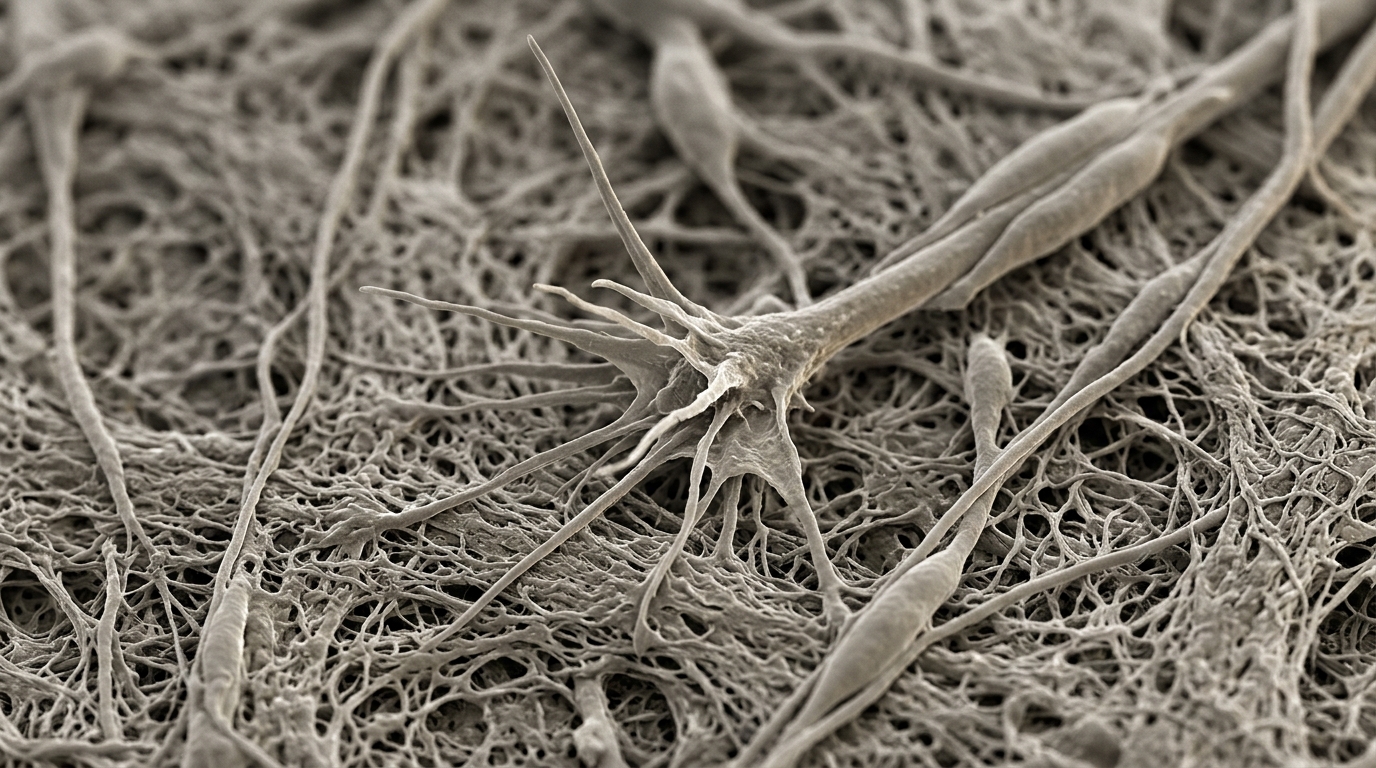
In assessing structural neuroregenerative potential, the pooled analysis demonstrated that platelet-rich plasma injection significantly enhanced axonal regeneration in rats and mice with spinal cord injury. Pooling data across the relevant animal comparisons revealed a substantial increase in axonal regrowth among animals receiving platelet-rich plasma compared to untreated or control groups. This structural enhancement yielded a standardized mean difference of 2.32, accompanied by a 95 percent confidence interval ranging from 1.43 to 3.21. The statistical significance of this pooled effect on axonal regeneration was particularly robust, reaching a p-value of less than 0.00001.
Based on these pooled preclinical findings, the authors concluded that platelet-rich plasma treatment significantly improves locomotor recovery as measured by the Basso, Beattie, and Bresnahan score, decreases caspase-3 expression, and promotes axonal regeneration in rodent models of spinal cord injury. The authors noted that these collective findings demonstrate that platelet-rich plasma possesses both functional and structural neuroregenerative potential following spinal lesions. However, the conclusions remain grounded strictly in preclinical investigations involving rats and mice, highlighting the necessity of recognizing the rodent-specific scope of the current evidence base when considering the neuroregenerative trajectory of platelet-rich plasma.
Subject of Research: Platelet-rich plasma for neuroregenerative potential and functional outcomes in rodent spinal cord injury
Article Title: Neuroregenerative potential and functional outcomes of platelet-rich plasma in spinal cord injury: a systematic review and meta-analysis
Article References: Tan, G., Chen, J., Wang, D., Chu, H., Yang, D., Li, J., Wang, J., Huang, Y., Li, J., & Gao, F. (2026). Neuroregenerative potential and functional outcomes of platelet-rich plasma in spinal cord injury: a systematic review and meta-analysis. Frontiers in Neurology, 17, Article 1978236. https://doi.org/10.3389/fneur.2026.1978236
Image Credits: AI Generated
DOI: 10.3389/fneur.2026.1978236
Keywords: platelet-rich plasma, spinal cord injury, systematic review, meta-analysis, neuroregeneration, locomotor recovery, axonal regeneration, caspase-3, BBB score, immunohistochemistry, mRNA expression, preclinical studies, rodent models, nerve regeneration, neurotrauma, PROSPERO, heterogeneity analysis