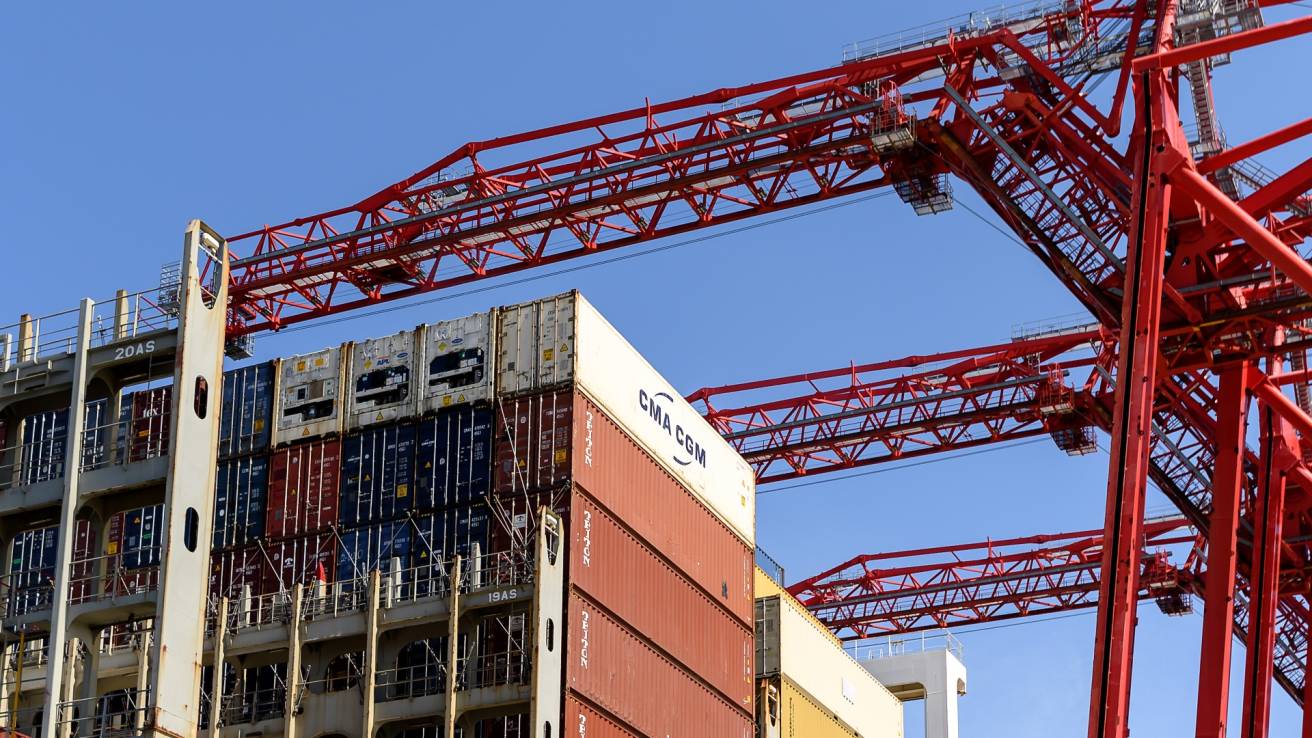
Small business exporters can spend hundreds of dollars and valuable time sending paper trade documents to verify their shipments.
Related Article Block Placeholder
Article ID: 349542

Now, the federal government is pushing reforms enabling paperless global trade, a move it claims could save the Australian economy $44 billion over the next decade.
Attorney-General Michelle Rowland and Treasurer Jim Chalmers this week announced a new bill, Electronic Transactions Amendment (Transferable Records for Australia’s Digital Economy) Bill 2026, intended to modernise trade records, allowing exporters to move beyond the paper-based system used for hundreds of years.
Paper trade documents can rely on possession — those who physically hold the document have a right to the goods or money outlined in that document.
The new bill aims to eliminate legal uncertainty around the possession of digital documents with no physical paper trail, encouraging more exporters to use digital versions instead.
Smarter business news. Straight to your inbox.
For startup founders, small businesses and leaders. Build sharper instincts and better strategy by learning from Australia’s smartest business minds. Sign up for free.
By continuing, you agree to our Terms & Conditions and Privacy Policy.
The government also claims the reform could cut costs.
Sending those paper documents overseas can involve multiple courier deliveries, timelines of nearly a fortnight, and costs of approximately $320, it said.
Further delays can arise if cargo arrives before the paper documentation, incurring additional storage and detention costs in the meantime.
By comparison, digital documents could take one hour to process at a cost of about $40.
The bill will align Australian standards with those set out by a United Nations commission, while allowing exporters to continue using paper documents, if they choose.
Trading partners like the United Kingdom, China, Singapore, India and Canada have issued their own similar reforms or are preparing to do so.
Attorney-General Rowland said Australian small businesses stand to benefit from the proposed overhaul.
“Small businesses often face the greatest burden from paper-based processes and unnecessary administration,” she said.
Related Article Block Placeholder
Article ID: 342136

“By reducing barriers and streamlining trade processes, these reforms will help them compete in global markets.”
Treasurer Chalmers said the bill is part of the government’s red tape-cutting agenda.
“This is all about cutting costs and making it faster and easier for small and medium-sized businesses to do more trade on the world stage,” he said.
Some industry groups have welcomed the proposed reform.
“These are exactly the kinds of practical productivity reforms Australian business needs,” said Innes Willox, chief executive of the Australian Industry Group, in a statement.
“Removing unnecessary friction from trade is not glamorous, but it can make a genuine difference to business costs and competitiveness.”
The bill was tabled in the lower house on Wednesday, just ahead of Parliament’s Christmas break, and was referred to a Senate committee for further investigation.