As winter approaches, the EU is also entering a crucial phase in its efforts to restructure its energy system, moving towards completely ending its dependence on Russian supplies. European Commission President Ursula von der Leyen has repeatedly affirmed that this is a necessary step to enhance self-reliance, ensure energy security, and facilitate the sustainable development of the European energy sector.
However, the EU energy market outlook for the final months of 2026 suggests this path will not be easy. As the deadline for ending gas imports from Russia approaches, the EU faces the dual pressure of low gas reserves and rising energy prices. Gas storage capacity utilization across the bloc is currently only around 70%, lower than in the same period of 2025. Meanwhile, supply disruptions from the Middle East due to conflict continue to put pressure on global energy markets, including Europe.
The EU’s efforts to restructure its energy market and diversify its supply sources are undeniable. Before 2022, Russia supplied over 40% of the bloc’s total gas imports, but by 2026, this share is projected to fall to around 12%. EU gas consumption has also decreased thanks to energy conservation policies and the development of renewable energy sources. Simultaneously, the bloc is actively expanding its network of partners to compensate for the supply shortfall from Russia.
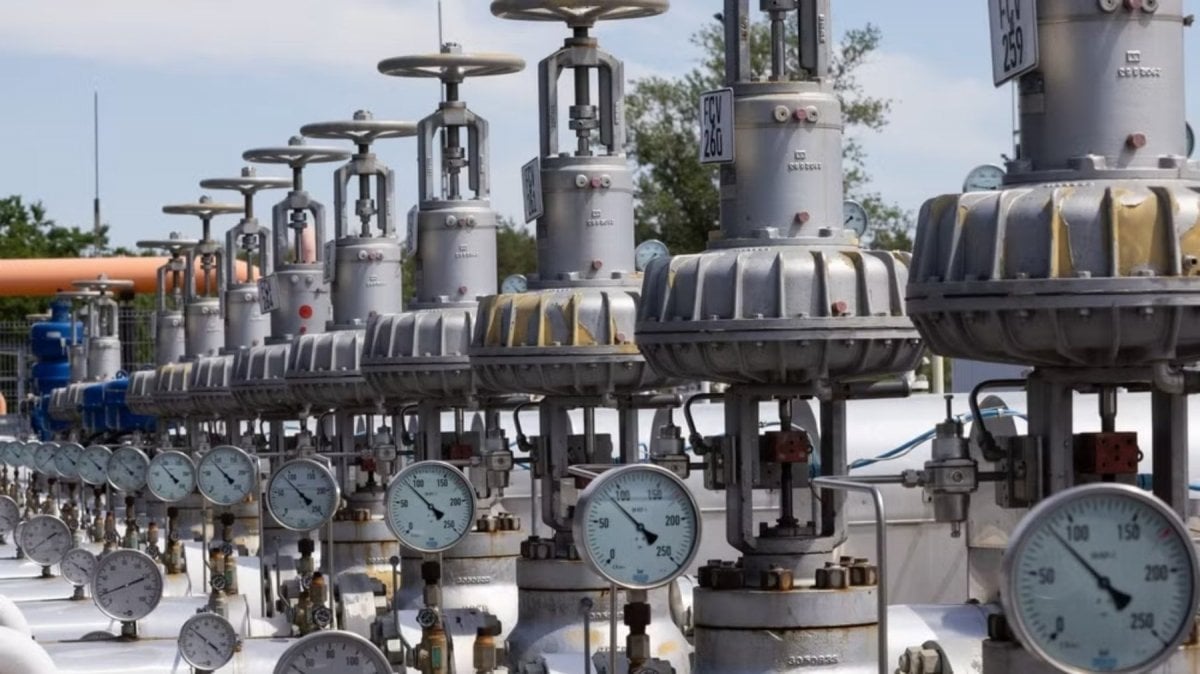
 Gas pipelines at a natural gas storage facility in the village of Zsana, Hungary. (Source: VNA)
However, reducing dependence on a single supplier does not mean the EU has eliminated energy security risks. After restricting gas imports from Russia, the EU increased its purchases of LNG from the US, making Washington one of its key suppliers. This supply has helped Europe overcome the risk of energy shortages, but it has also raised concerns about the potential for a new dependence. Especially in the context of strained relations across the Atlantic, over-reliance on a single source of supply could leave the EU vulnerable to political and trade fluctuations.
Besides supply issues, import costs are also a major challenge. Replacing natural gas pipelines from Russia with LNG imported from the US and the Middle East adds to the EU’s transportation, liquefaction, and regasification costs. This contributes to maintaining high energy prices in Europe compared to many other developed economies . If this situation persists, rising energy costs will lead to higher logistics and input material costs, putting pressure on industrial production and undermining the competitiveness of the region’s economy.
Not only facing external challenges, the plan to end Russian gas imports has also exposed disagreements within the EU. Slovakia and Hungary are two countries strongly opposing this path, as they remain significantly dependent on Russian gas via fixed pipelines. Switching to alternative sources through the port systems and energy infrastructure of neighboring countries could add to their costs, driving up domestic energy prices. Slovak Prime Minister Robert Fico warned that his country could sue the EU if forced to completely abandon its energy supply from Russia.
The cessation of gas imports from Russia presents the EU with a difficult dilemma: maintaining its political stance while ensuring a stable energy supply at reasonable prices. The solution lies not only in diversifying external suppliers but also in enhancing Europe’s own self-reliance. Accelerating electrification, developing renewable energy, and investing in energy infrastructure are considered crucial steps for the EU to overcome this challenging transition period, gradually building a sustainable energy security system that is less vulnerable to global geopolitical fluctuations.