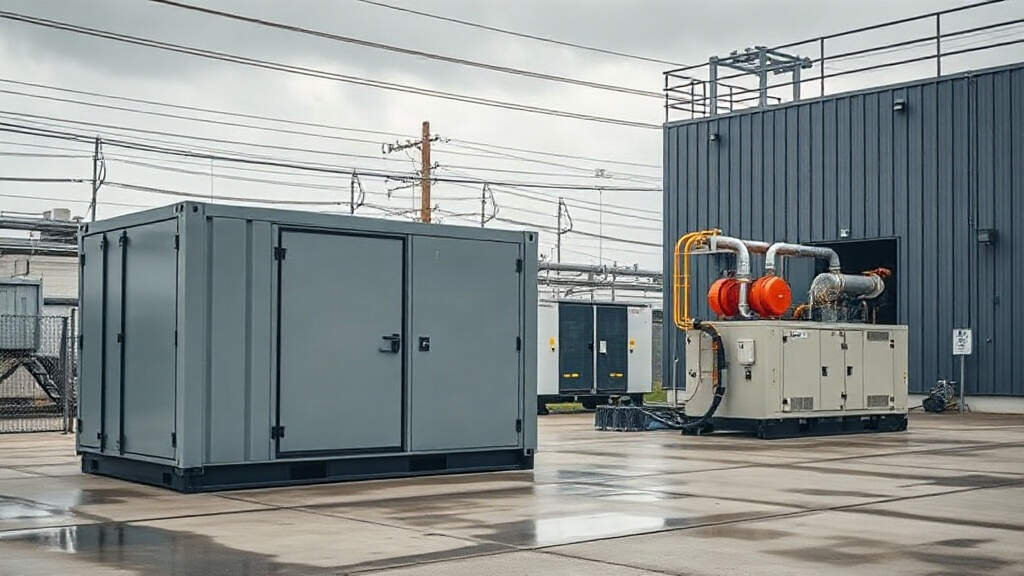
 The accelerating growth of Europe’s data centre market is encountering challenges with grid capacity and connection timelines.Grid connection timelines in some European markets can extend from three to seven years, creating significant obstacles for operators meeting demand, according to Emmet Taggart, Director of Data Centre Markets for Europe at Cummins.Increased power demand from rapid artificial intelligence (AI) compute growth is making energy infrastructure a primary factor in data centre development.The International Energy Agency projects global data centre electricity consumption to more than double to around 945 TWh by 2030.Rack densities for AI are scaling from approximately 120 kW today towards 600 kW by 2027, requiring integrated power and cooling strategies.European regulations, which apply to facilities with an installed IT power demand of 500 kW or higher, emphasise whole-site performance.Operators are shifting from treating on-site generation solely as an insurance policy to a broader strategy.This strategy includes generator sets, battery energy storage systems (BESS), microgrids, and alternative fuel solutions.BESS can work with generators to manage demand spikes from AI workloads and provide off-grid options.Hydrotreated Vegetable Oil (HVO) is a potential lower-carbon alternative fuel for compatible equipment, offering up to 50 per cent greenhouse gas (GHG) reductions compared to conventional diesel.The critical focus is on how the overall power architecture, including generators, BESS, and renewable energy assets, works together predictably and reliably.
