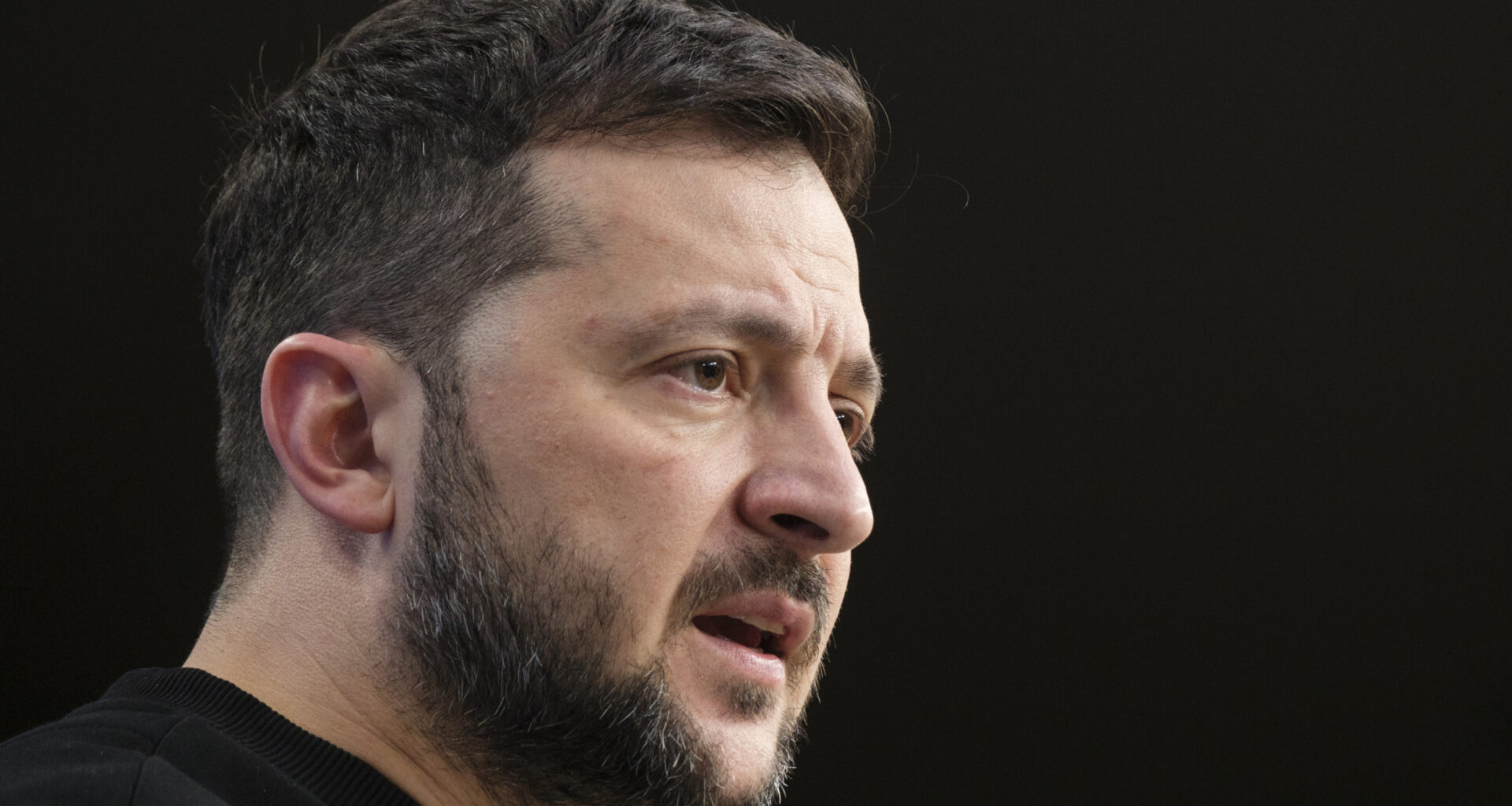
Ukraine’s President Volodymyr Zelensky has criticized Slovakia’s Prime Minister Robert Fico, claiming he does not want to end the NATO member’s reliance on Russian natural gas.
There is a growing spat between the leaders over Kyiv’s decision not to renew a deal for the transit of the fuel through Ukraine to European purchasers, which include Slovakia. Zelensky criticized Fico for not accepting a compensation deal for losses this caused.
Politico had reported that Fico had previously accused the Ukrainian leader of bribing him with 500 million euros ($519 million) of Russian assets in exchange for alliance membership. Newsweek has contacted the Slovakian government for comment.
Why It Matters
Russian natural gas is a major revenue generator for Moscow, but the key export has been hit hard by Putin’s full-scale invasion of Ukraine, due to Western sanctions and Europe looking to alternative energy providers.
Ukraine’s gas transit agreement for flows to Europe expires on December 31, and Kyiv has said it would not renew this deal because it helps fund Putin’s invasion.
Natural gas was top of Fico’s agenda during his meeting with Putin on December 22, which the Institute for the Study of War (ISW) said would be likely leveraged by Moscow to exploit divides within the EU over Russian gas.
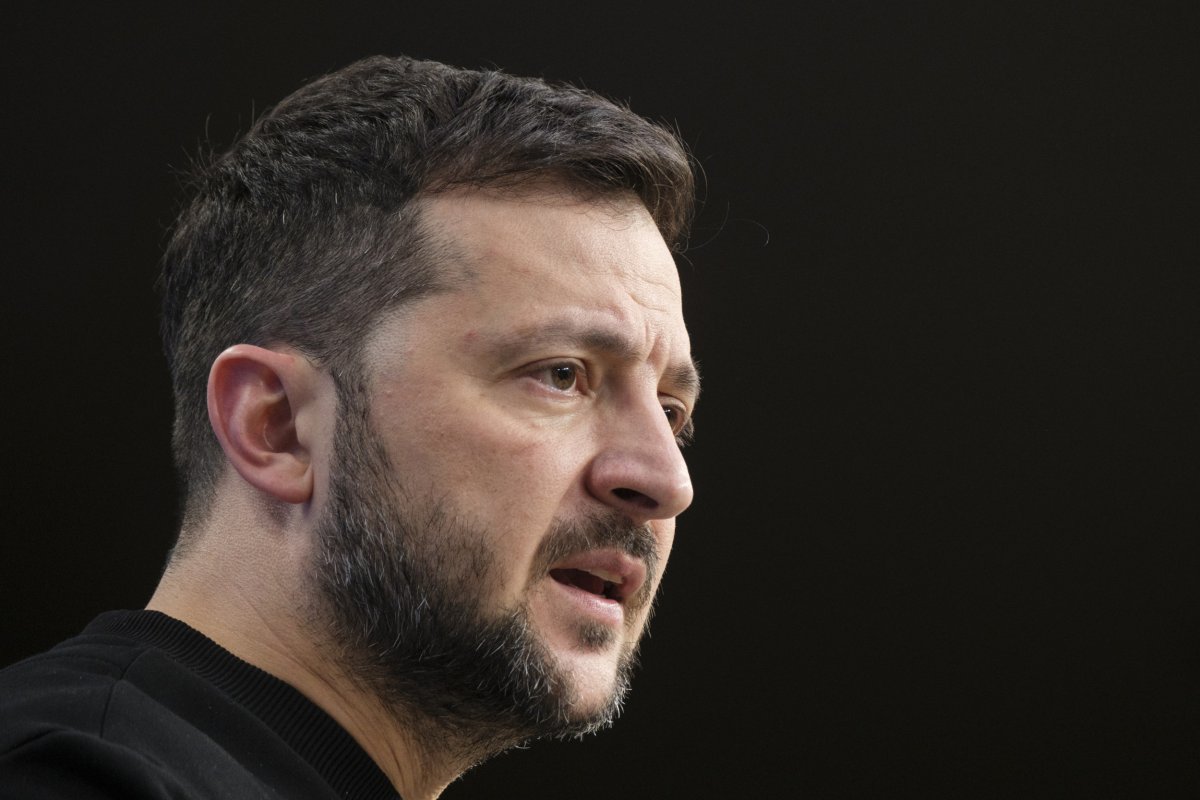
Volodymyr Zelensky speaks at the EU Council headquarter on December 19, 2024 in Brussels, Belgium. The Ukrainian president has criticized Slovakian Prime Minister Robert Fico over his reluctance to end reliance on Russian natural gas….
Volodymyr Zelensky speaks at the EU Council headquarter on December 19, 2024 in Brussels, Belgium. The Ukrainian president has criticized Slovakian Prime Minister Robert Fico over his reluctance to end reliance on Russian natural gas.
More
Thierry Monasse/Getty Images
What To Know
Slovakia has a contract with Russian state giant Gazprom and has said that finding gas from elsewhere would cost 220 million euros ($229 million) more in transit expenses.
However, Zelensky said Fico had been offered compensation for losses and that, despite transit alternatives, the Slovakian leader was interested only in Russian gas.
Fico had earlier said Zelensky had offered him 500 million euros ($520 million) of Russian assets if he voted for NATO membership for Kyiv; “of course, I said ‘never,'” said Fico.
Zelensky hit back on about Fico’s trip to Moscow on December 22, posting on X, formerly Twitter, “we are fighting for our lives, Fico is fighting for money, and hardly for money for Slovakia,” according to a translation. “Shadow agreements with Putin are either trading in state interests or working for their own pockets.”
Zelensky also said that a European Commission-backed plan for compensation for Slovakia was rejected and that “for some reason, it is more profitable for him in Moscow.”
The ISW said that Putin likely used his meeting with Fico to undermine Western unity in supporting Ukraine and that the Kremlin “cultivates relationships with individual Western and NATO members to leverage these relationships to exacerbate fissures within the West and undermine support for Ukraine.”
What People Are Saying
Zelensky wrote on X: “We are fighting for our lives, Fico is fighting for money, and hardly for money for Slovakia.”
Fico said on December 20: “As soon as Ukraine stops gas transit, gas will become more expensive. This will be painful for the entire EU.”
What Happens Next
Fico said Putin had confirmed Russia’s willingness to continue to supply gas to Slovakia, although this was “practically impossible” once the deal expires. The Kremlin did not give any further details about the conversation between Fico and Putin over any potential solution.
Zelensky had said last week it might be possible to renew the transit deal, but only if Russia was not paid when the war is over, which Reuters reported was a condition that Moscow is unlikely to accept.
In analysis published on December 19, Aura Sabadus, senior fellow at the Center for European Policy Analysis (CEPA), wrote that Slovakia, as well as Hungary and Austria, can source alternative energy supplies via the European network.
However, “they choose not to because their governments want to avoid higher costs” and that they “really don’t want Russian gas to stop flowing.”
Sabadus said that, while energy issues for these three countries “generate little sympathy,” one possible scenario could see Moldova claim importing gas via a non-Russian route would be insurmountable.
This could lead to the EU being pressured to persuade Ukraine to renew transit “to avoid Moldova might argue, a midwinter humanitarian crisis.”
“Once Ukraine agreed to that, Russia’s Central European gas-guzzlers would hope to piggyback on the deal, opening the floodgates to imports of cheap gas (and of course) Russian malign influence,” Sabadus added.