10
Feb 2025
Croatia, famous for its coastline and historic cities, is becoming too expensive for tourists. With prices rising faster than in Greece, Spain, and Italy, officials and business leaders fear that visitors may go elsewhere for better deals.
Prime Minister Andrej Plenković has warned that keeping prices competitive is key to protecting the country’s tourism industry.
Tourism sector sees price surge
In the past three years, tourism prices in Croatia have risen by about 50%, while other Mediterranean countries have seen increases of only 15–20%.
This surge has made Croatia more expensive than major competitors like Greece and Spain, putting its affordability at risk.
The price jump is not due to higher energy costs or VAT rates. Croatia has some of the lowest energy prices in the Eurozone and a reduced tourism VAT rate of 13%.
Instead, rising costs in the hospitality sector have pushed prices up, causing overnight stays to stagnate and tourist spending to drop.
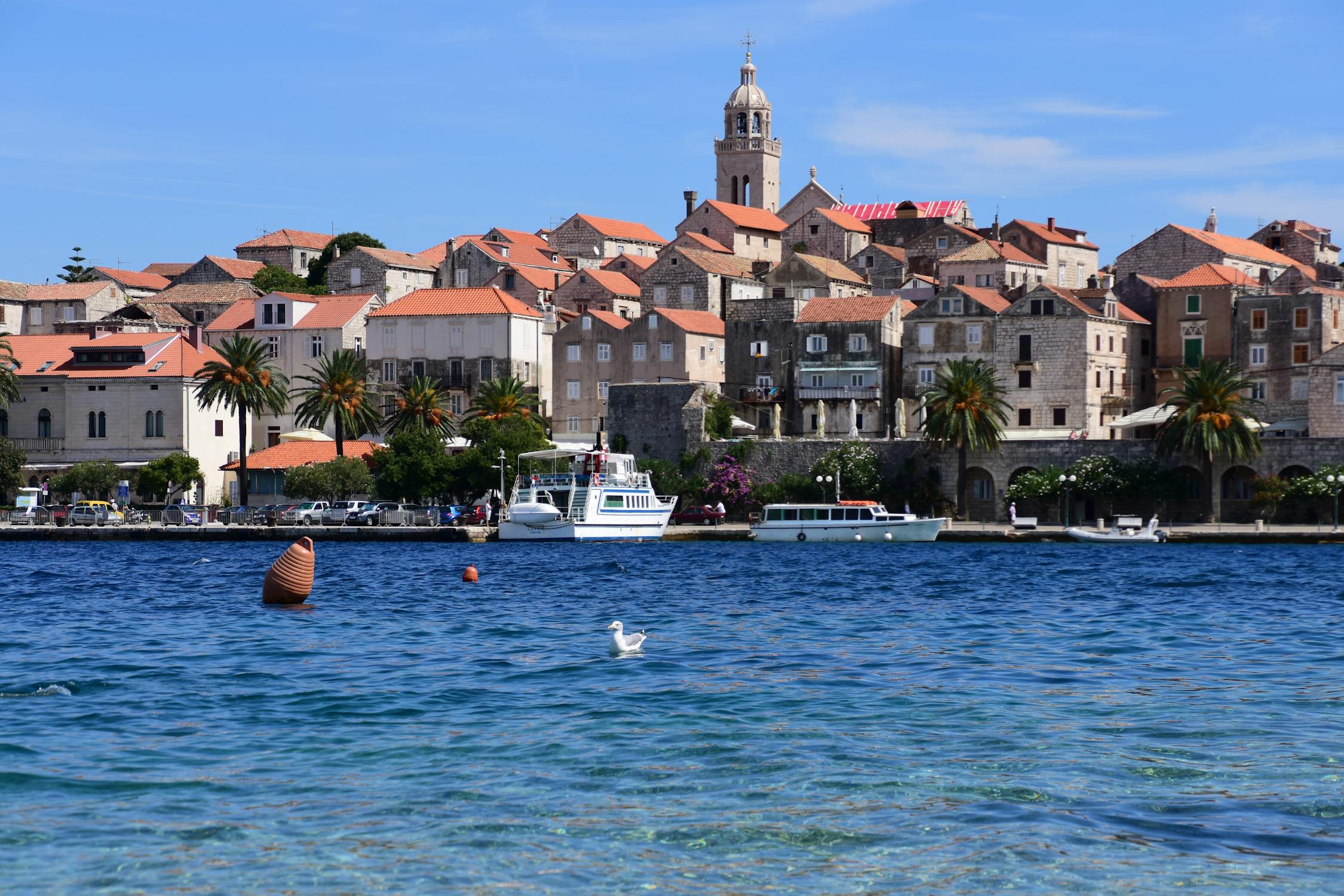
(Image courtesy of Alfonso via Pexels)
Decline in visitors from key markets
The impact of rising prices is already clear, as fewer tourists are coming from key markets like Germany, the Czech Republic, Austria, and Italy.
Last summer, Croatia’s foreign tourism revenue fell by 0.7% during the peak season compared to the previous year. Â
Kristjan Stani�ić, director of the Croatian National Tourist Board, noted that many travelers now focus on getting the best value for their money. His analysis showed that for two-thirds of Croatia’s main markets, cost is the most important factor in travel decisions.
Government urges industry to act
Finance Minister Marko Primorac criticized the industry for raising prices too much, saying, “I feel like you’ve gotten a little carried away.�
He argued that Croatia’s tourism does not justify higher prices than Greece, Spain, or Portugal. He also noted that Croatian taxpayers support the tourism industry through tax policies, yet many cannot afford vacations in their own country.
Tourism Minister Ton�i Glavina recognized the issue, calling 2025 a crucial year for making Croatia more price-competitive. While he dismissed the idea of a tourism boycott, he admitted that price cuts might be needed to keep visitor numbers up.
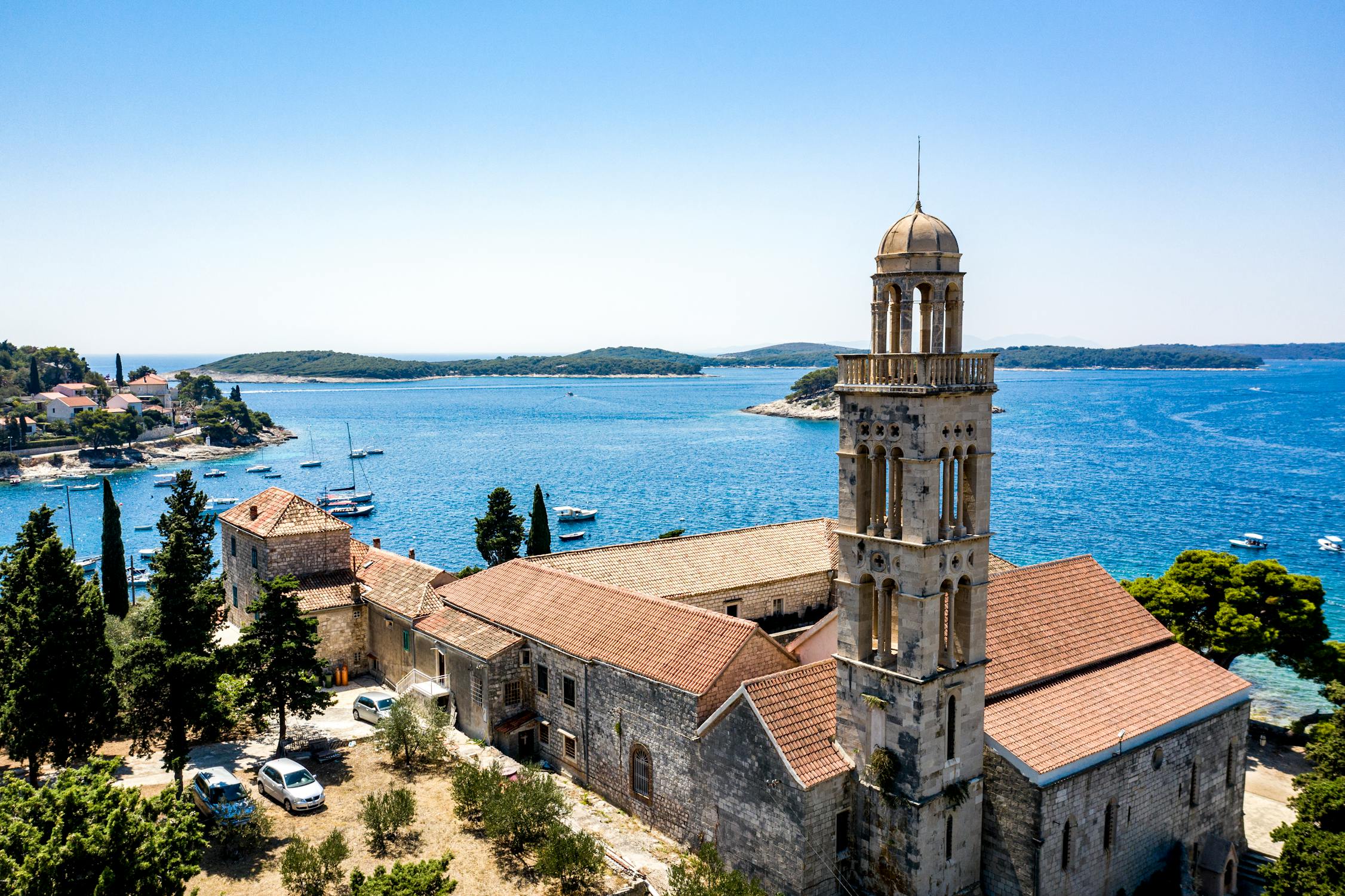
(Image courtesy of Oskars Lipatovs via Pexels)
Business owners push back
Hotel industry leaders argued that rising wages and inflation, not profit-seeking, have driven up prices.
Veljko Ostojić of the Croatian Tourism Association stated that hotel profits have fallen because costs are rising faster than revenue. He also noted that Croatia’s hotel prices went up by only 1.9% last year, while other Mediterranean destinations saw a 4.5% increase.
The Croatian Association of Family Accommodation has also raised concerns about high commissions from global booking platforms. Some industry leaders have suggested creating a national booking system to reduce reliance on international platforms.
Rising costs add to new travel restrictions
As Croatia grapples with rising costs, travelers to the EU must also prepare for new entry requirements under the European Travel Information and Authorization System (ETIAS). Starting 2026, non-European Union (EU) visitors from visa-exempt countries will need ETIAS approval to enter the Schengen Area, including Croatia.
For short-term tourists, Croatia’s higher prices may push them toward cheaper destinations, especially as budget-conscious travelers consider both costs and new entry requirements. While the ETIAS approval is a simple process, it could discourage those already unsure about whether a trip to Croatia is worth the expense.
For long-term visitors and migrants, the situation is more complex.
Croatia’s full integration into the Schengen Zone has made it an attractive option for digital nomads and seasonal workers. However, rising living costs, including higher tourism prices, may deter those considering it as a base.
For non-EU nationals seeking long-term residence, Croatia’s reputation as an affordable alternative to Western Europe is fading.
These price increases may also change migration patterns. Wealthier travelers may still visit, while middle-income tourists from key European markets could choose destinations where their money goes further.
If Croatia’s tourism sector slows, seasonal job opportunities—many of which go to non-EU workers—may also shrink.
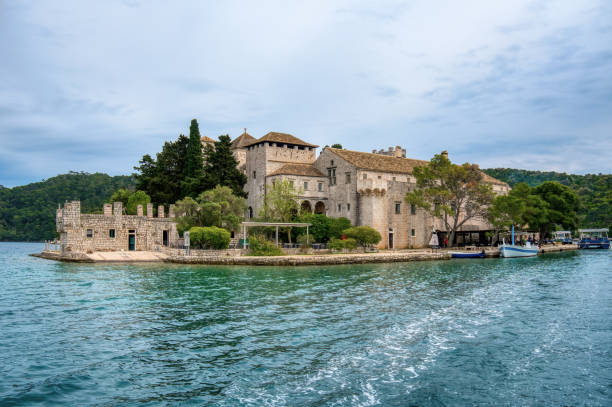
(Image courtesy of UlyssePixel via iStock)
Policymakers watch for economic fallout
Croatia’s pricing crisis affects more than just tourism. EU immigration policies often shift with economic conditions, and a downturn in Croatia’s tourism sector could shape discussions on labor mobility and work permits across the bloc.
Countries with strong ties to Croatia, like Germany and Austria, where many Croatians work, may see more people seeking jobs abroad if tourism declines. This could add pressure to EU labor markets, especially in industries already facing worker shortages.
At the same time, fewer tourists could push the Croatian government to find new ways to attract foreign workers.
Policymakers might adjust work visa rules or offer incentives for long-term migration. If tourism jobs shrink, they may also reconsider immigration quotas, particularly for seasonal workers from non-EU countries.
Croatia’s situation is a warning for the EU. A tourism-dependent economy is vulnerable to price changes, and keeping costs reasonable is key to stability.
Other Mediterranean countries, like Spain and Greece, may take note and adjust their pricing strategies to avoid losing visitors while keeping their economies strong.
Uncertain future looms ahead
The Croatian government hopes prices will stabilize in 2025, but the outlook is uncertain. As Germany, Austria, and Italy face economic slowdowns, tourists may be more sensitive to costs than ever.
If Croatia does not address its affordability problem, it could lose its place in the Mediterranean tourism market. Officials and industry leaders must find a way to maintain quality while keeping the country affordable and competitive for both international and domestic travelers.