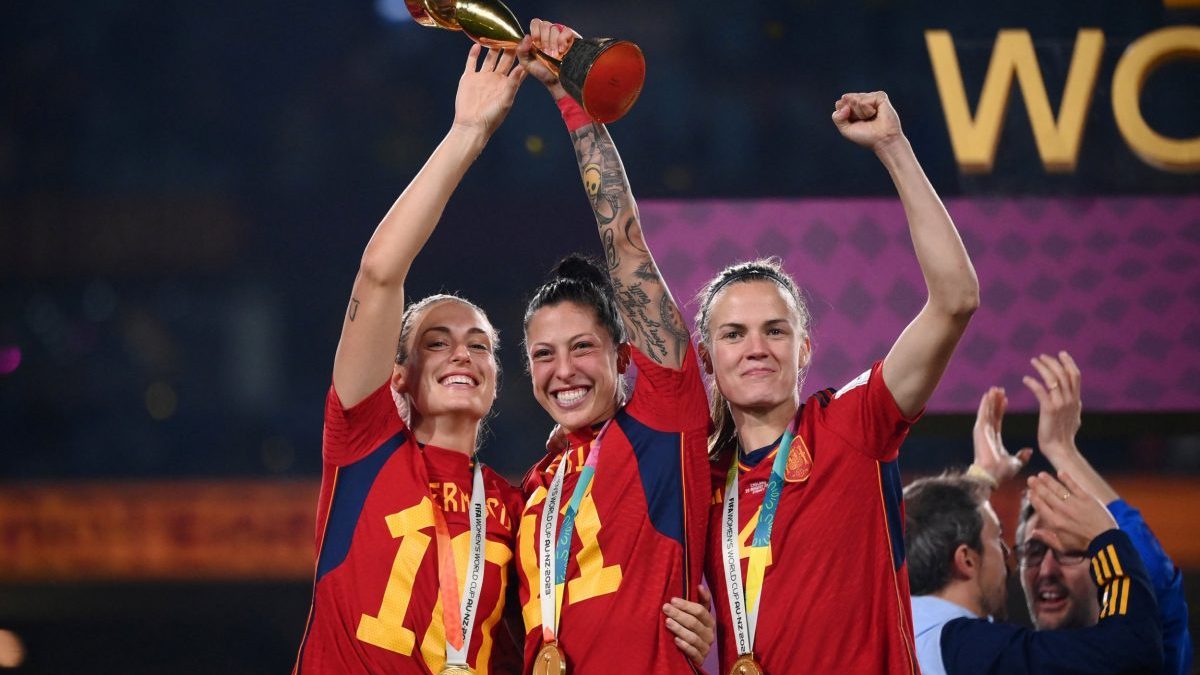
‘It remains a male-dominated environment, where people are appointed because of their personal relationships, then automatically respected because of their role’
In Spain, where the trial of former football boss Luis Rubiales for kissing a star player came to an end this week, little has improved for women in sport.
Rubiales is accused of sexually assaulting striker Jenni Hermoso following Spain’s victory over England at the 2023 Women’s World Cup and allegedly coercing her to downplay the incident which caused a scandal in the wake of it.
The 47-year-old former president of the Spanish football federation denies any wrongdoing.
The trial, which has been relayed live on Spanish television, has gripped the country.
One female footballer who played in Spain for a top-flight club said the case had shed light on the problem of sexism in sport – but it had not caused a social change.
The woman, who did not want to give her name, played for a club in La Liga for six years.
“I think what is happening is a very important turning point. It is a great shame that what should have been the most important moment for many of these Spanish players has been tarnished in this way,” she said.
“I am proud of Jenni Hermoso and the other Spain players because if they had not stood up and said ‘Se acabo‘ – it’s over – then we would never see any change.
“But on a deeper level, I don’t think we have seen a real change in that many men still manage the female football world.”
Jessica Dottie, 15, is British and plays for RCD Espanyol which is in La Liga and has trained with the England team.
Her father, Chris Dottie, a businessman who is originally from Liverpool but lives in Barcelona, says he has not noticed any changes in women’s youth football in the wake of the Rubiales case.
“It remains a male-dominated environment, where people are appointed because of their personal relationships, then automatically respected and trusted because of their role,” he told The i Paper.
“We would love to see a genuine commitment to equality, to safeguarding and to supporting a larger percentage of female leaders within the sport.”
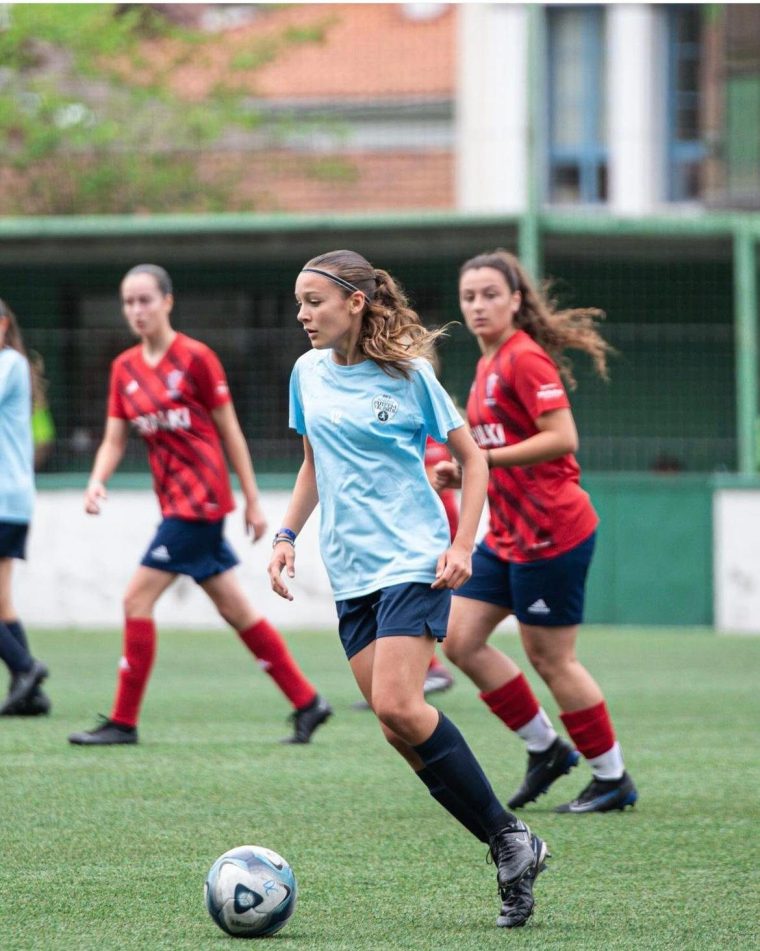 Jessica Dottie, who plays for RCD Espanyol and has trained with England (Photo: Chris Dottie)
Mr Dottie said most coaches of girls’ teams are male and he has seen little evidence of programmes to appoint more women in leadership roles.
He said boys’ teams are often prioritised by clubs with girls forced to train late very late in the day “when the boys are tucked in bed”.
“Coaches seem to be appointed because of who they know without any real transparency or structure to the hiring process.
“In terms of safeguarding, our daughter has thankfully never encountered any inappropriate behaviour. However, this feels more like a happy accident than by design, everything is based on trust rather than design,” he added.
Laia Bonals, who covers female sport for El Periodico, a regional newspaper based in Barcelona, said she believed social change in relation to sexist behaviour in sport will only come in the long term.
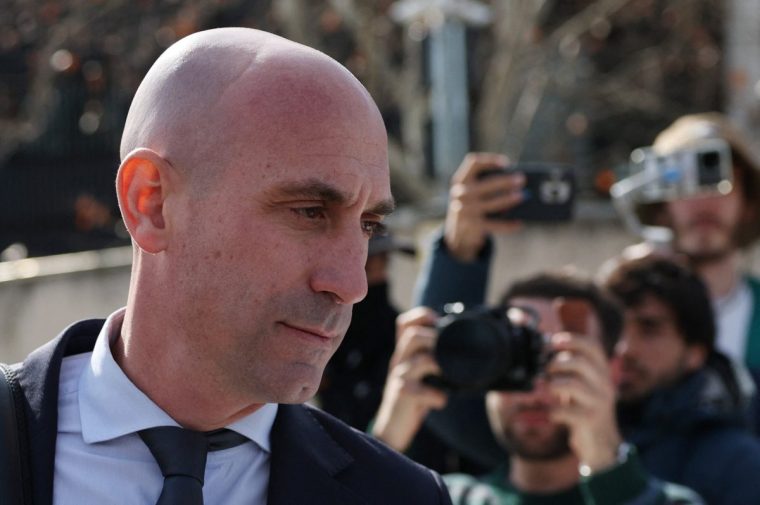 Luis Rubiales during his trial in Madrid (Photo: Violeta Santos Moura/Reuters)
“This trial marked a precedent in society, not just in sport. It marked what was acceptable conduct for the future. This is the importance of the Rubiales case. We have identified conduct which was not acceptable but very normalised in Spanish society,” she said.
“I don’t think this made a big change. I think that will only happen in the long run. I think it has made people think about what gestures are acceptable and what are not. People are thinking about whether women give or not their consent and people have to respect this.”
After Rubiales’s two-week trial concluded, judge José Manuel Clemente Fernández-Prieto Gonzalez retired to consider his verdict, which is not expected until next month.