
The Middle East has long been a fulcrum of global geopolitical and economic dynamics. In 2025, the Trump administration’s humanitarian and diplomatic maneuvers in Gaza have catalyzed a seismic shift in regional stability, commodity markets, and emerging market equities. These developments are not isolated but part of a broader recalibration of U.S. foreign policy, energy security, and ethical investing frameworks. For investors, understanding the interplay between Trump’s Gaza policies and their ripple effects is critical to navigating a volatile landscape.
Energy Markets: Volatility as the New Normal
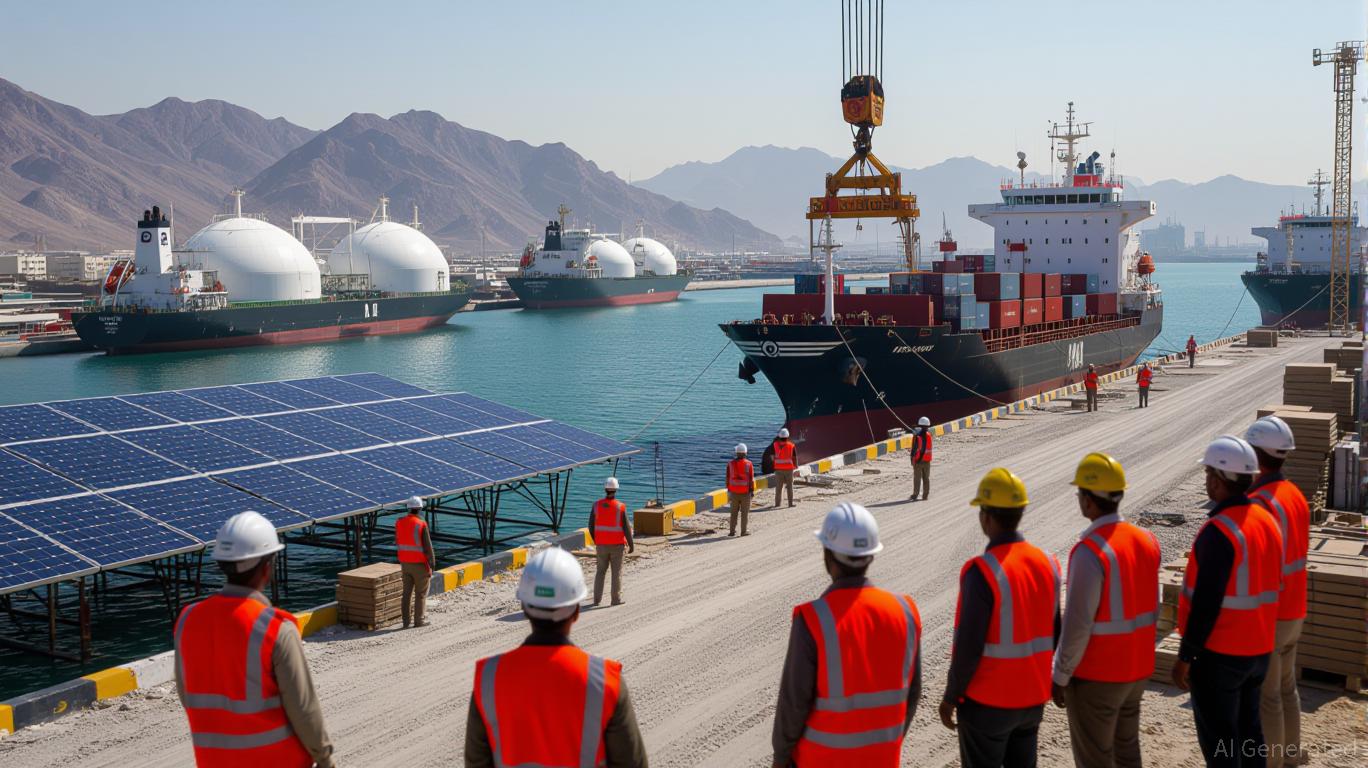
The Gaza crisis has exacerbated global energy insecurity, with Brent crude prices surging to $85/barrel in 2025 amid rerouted shipping lanes and Houthi attacks in the Red Sea. Trump’s emphasis on military coordination with Israel and Gulf allies has heightened regional tensions, adding 7,000 nautical miles to shipping routes and inflating energy costs. Gulf states like Saudi Arabia and the UAE are countering this instability by accelerating $250 billion in renewable energy projects, including 15 gigawatts of solar and wind capacity by 2030.
Investors should prioritize exposure to U.S. LNG producers like Cheniere Energy (LNG) and Shell (SHEL), which benefit from rerouted demand patterns. Gulf energy stocks, such as Saudi Arabian Mining Company (MAADN) and Saudi Telecom Company (STC), have surged on the Tadawul All Share Index, reflecting confidence in long-term energy transitions. However, the sector remains vulnerable to geopolitical shocks, necessitating hedging strategies like short-duration bonds or gold allocations.
Infrastructure: A Resilient Investment Hedge
The destruction of Gaza’s infrastructure has spurred demand for projects that integrate humanitarian aid with long-term development. Infrastructure-focused ETFs, such as the iShares Global Infrastructure ETF (IGF), have risen 4.38% in a single month, signaling a shift toward durable assets. LNG import terminals in Egypt and Jordan are emerging as strategic hubs, offering dual exposure to energy and infrastructure.
Investors should overweight infrastructure projects in the Gulf and Levant regions, where reconstruction efforts are gaining momentum. For example, Saudi-UAE clean energy initiatives not only address energy security but also align with post-conflict reconstruction goals. These projects are less correlated with traditional commodity cycles, making them a resilient hedge against geopolitical volatility.
ESG and Humanitarian Sectors: Ethical Investing in a Fractured World
The humanitarian crisis in Gaza—where 98% of the population now lives in multidimensional poverty—has forced a reevaluation of ethical investment models. ESG funds with Middle East exposure face divestment risks, while aid logistics firms like Mercy Corps and Oxfam see heightened investor confidence. Gold prices have surged to $3,380 per ounce, with central banks in China, India, and Turkey increasing reserves by 14% year-to-date.
Investors should allocate 10–15% of portfolios to gold and short-duration bonds as risk-mitigation strategies. Reconstruction bonds and social infrastructure projects in Gaza and Lebanon are also gaining traction, offering ESG-compliant returns. However, due diligence is critical: firms with robust supply chain ethics frameworks, such as those avoiding cross-border labor dependencies, will outperform.
Strategic Positioning for 2025 and Beyond
The GCC market volatility is now driven 60% by geopolitical risk (GPR) shocks, compared to 30% by oil price fluctuations. This shift underscores the need for diversified, adaptive portfolios. Key strategies include:
1. Diversification into Safe-Haven Assets: Gold, natural gas, and short-duration bonds.
2. Hedging Energy Volatility: U.S. LNG producers and Gulf energy stocks.
3. Currency Rebalancing: Overweighting the euro and yen, which have gained 5% and 3% against the dollar since March 2025.
4. ESG Alignment: Focusing on green hydrogen projects and AI-ready power grids, which offer dual geopolitical and growth benefits.
Conclusion
Trump’s Gaza policies are reshaping global markets through a combination of energy insecurity, infrastructure resilience, and ethical reevaluation. For investors, the path forward lies in agility—diversifying portfolios, hedging against volatility, and aligning with long-term geopolitical trends. The Middle East’s evolving landscape is not just a regional story but a global one, with implications for every corner of the investment universe. Those who adapt to this new order will find opportunities in the chaos.