Army Secretary Dan Driscoll had only been in the job for a matter of days before he angered his new boss, Secretary of Defense Pete Hegseth.
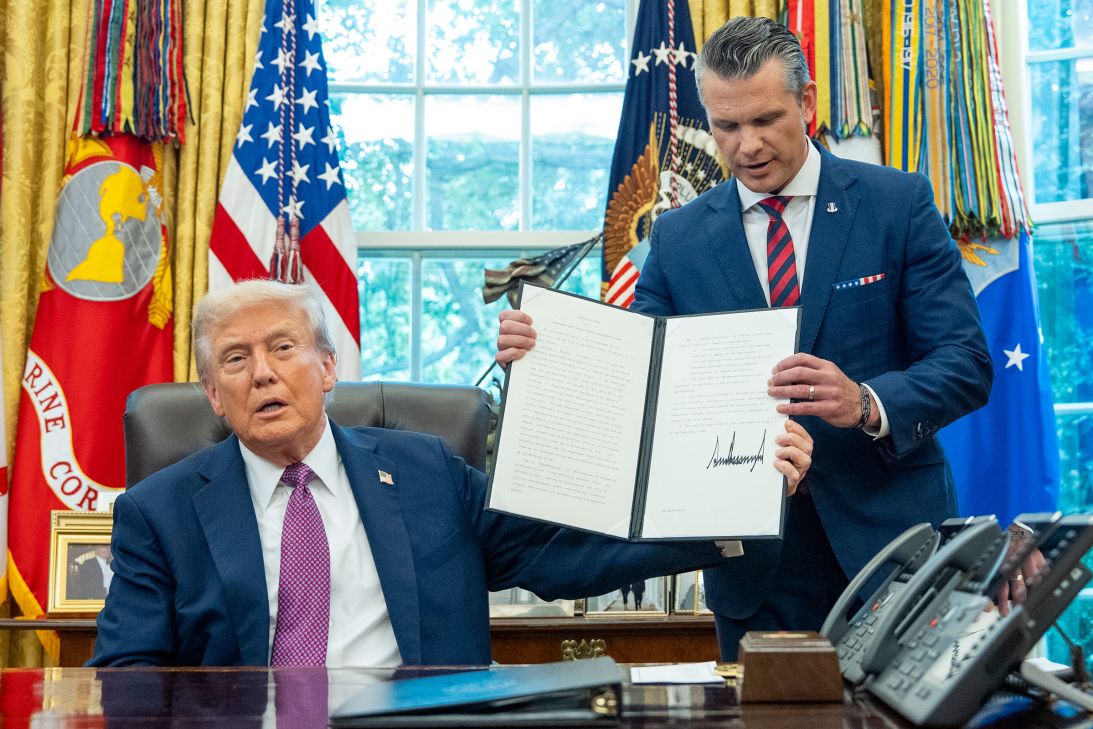
Driscoll, an Army veteran and longtime personal friend of Vice President JD Vance, had been floating ideas to get Vance and President Donald Trump to visit the Pentagon — an event he believed would boost morale given the pomp and circumstance that accompanies any presidential visit. Trump expressed interest in the idea, two people with knowledge of the episode told CNN.
Hegseth, however, viewed Driscoll’s overtures to the White House in the spring as insubordination, the sources said. Trump was his boss, and Driscoll shouldn’t have gone around him and made him look bad, Hegseth told the Army secretary upon learning of the plans. Driscoll replied that that wasn’t his intention, and the two — at least outwardly — moved on.
Hegseth’s wariness of Driscoll is emblematic of his larger fixation with undermining or removing anyone he perceives as a threat to his public image and standing with Trump, regardless of their expertise or experience, a dozen current and former officials told CNN.
“If Driscoll starts getting too prominent, or too favored, it makes it a lot easier politically to just let Hegseth go somehow or find an off-ramp,” one of the sources said.
Questions about Hegseth’s longevity in the job have swirled almost from the beginning of his tenure. And Driscoll’s name was increasingly brought up, including inside the White House, as a possible replacement for Hegseth after a series of high-profile missteps by the defense secretary in the spring — to Hegseth’s great irritation, sources said.
Hegseth’s tactics can be ruthless. In April, following a series of leaks he believed made him look bad, Hegseth fired three senior Pentagon officials, two of whom were close friends that had worked with him for years, and publicly accused them of being leakers. Those accusations were never proven.
Hegseth also threatened senior Pentagon officials, including then-acting Joint Chiefs Chairman Adm. Chris Grady, with polygraph tests and leak investigations. Hegseth refused to sign off on a promotion for 34-year Army veteran, Lt. Gen. Doug Sims, who had been serving as the director of the Joint Staff, because he believed he was leaking to undermine him and had been too close to retired Gen. Mark Milley, a fierce Trump critic, sources said. Grady and Sims both denied the accusations, which weren’t proven, sources said. Sims is set to retire soon.
Then, in June, right-wing activist Laura Loomer, who sources told CNN has known Hegseth for more than a decade and speaks to him regularly, began attacking Driscoll on X, accusing him of cozying up to “Trump haters” because he had posted a photo on X with retired US Army officer and current Democratic member of Congress Eugene Vindman. His twin brother Alexander was a key witness to Trump’s 2019 impeachment over his dealings with Ukraine.
The Army quickly removed the post with Vindman, but the damage had been done.
“We got our assess handed to us” because of Loomer, a person familiar with the conversation recalled.
Loomer launched a similar attack against Driscoll last month, and it took days for Hegseth’s spokesperson, Kingsley Wilson, to publicly defend the Army secretary. Even when she did, Wilson made a point to note that Hegseth appreciates Loomer’s “important work.”
Driscoll and Hegseth’s working relationship has improved since the early days of the Trump administration — with the two men even spending time together socially in recent weeks, one source familiar with their dynamic told CNN. But at the same time, Hegseth’s unease about anyone he perceives as a potential rival lingers in the background, they added.
In a statement to CNN, Hegseth denied having any tension with Driscoll.
“It’s no surprise that people who know nothing about the strong dynamic between Army Secretary Driscoll and I are shoveling lies to CNN without putting their names to their statements,” Hegseth said. “As said before, I have complete & total confidence in Secretary Driscoll, and we will continue to work together to make our military lethal again. He is doing a fantastic job leading the U.S. Army, and we are fortunate to have his America First leadership.”
Driscoll similarly told CNN in a statement that he is “honored” to serve under Hegseth and any suggestion to the contrary is “fake news.”
“I’m honored to serve under the leadership of Secretary Hegseth as we restore the strength and lethality to the Department of War,” Driscoll said. “His support has been vital as we transform the Army. No amount of media spin will distract us from working together to defend the American people.”
In a statement to CNN, a White House spokesperson said it was “totally bogus to insinuate that anyone in the White House has anything less than extraordinary confidence in both Secretary Hegseth and Secretary Driscoll.”
Gatekeepers and NDAs
Since taking office, Hegseth has fired or pushed out at least 11 of the military’s most senior officers and ordered a 20% cut in the number of four-star generals across the active duty, accusing most of them of being “woke.”
Meanwhile, Hegseth has grown increasingly insular, officials said. His personal lawyer, Tim Parlatore, now sits directly outside his office — a gatekeeper in the literal sense, sources said. And Hegseth is still on edge about the forthcoming results of a DoD Inspector General investigation into his use of Signal to discuss classified information — the findings of which could be made public in the coming days.
His priorities also strike some officials as especially misplaced given the various crises unfolding globally right now — from Israeli strikes on Qatar and Russian drone incursions into Poland to a possible US military confrontation with Venezuela.
“Renaming the Defense Department to the ‘Department of War’ isn’t the kind of substantive work that actually changes things here,” a Pentagon official said, referring to Hegseth’s campaign to change the department’s name. “Being a good leader is about way more than just politics.”
Privately, some Trump allies say Hegseth is aware of his own short-comings when it comes to navigating Pentagon bureaucracy and overseeing effective policy-making — which is why he has intentionally focused most his energy toward social media and more surface-level issues, leaving more substantive tasks to his top deputies.
“He’s not dumb,” one source familiar with Hegseth’s management style said, adding that Trump’s Defense Secretary prioritizes things he knows he can do, while largely deferring to more experienced officials when it comes to executing policy and combat decisions.
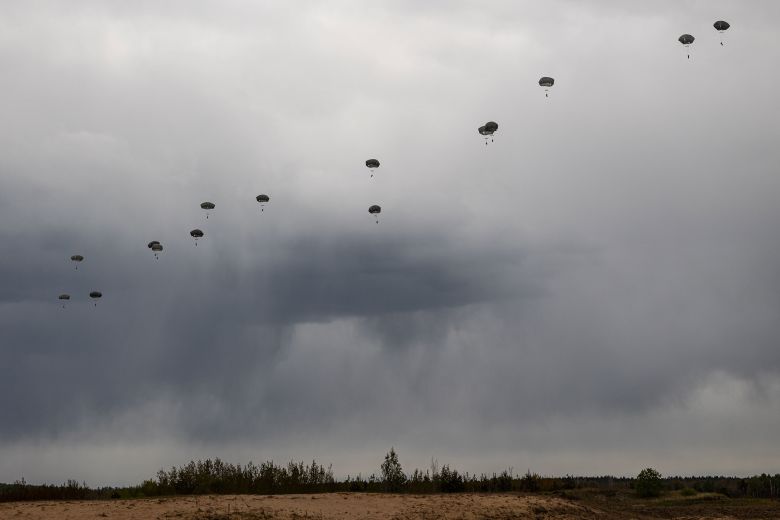
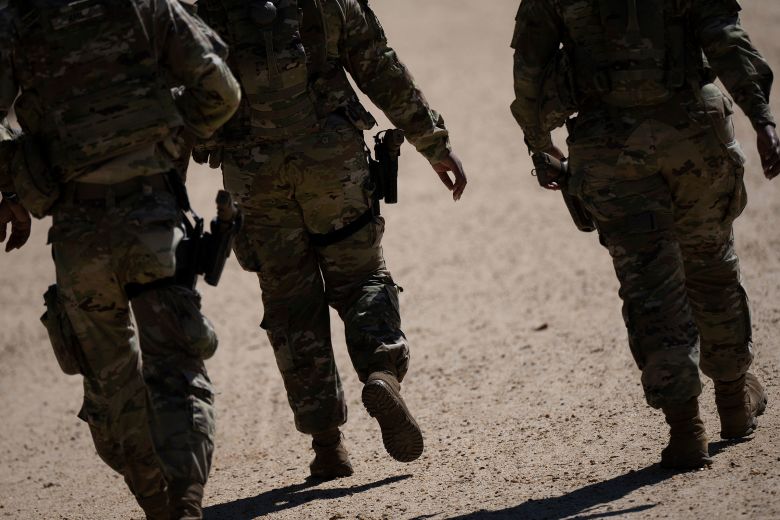
Hegseth’s most popular initiatives internally have fallen outside the scope of the culture wars, officials said. For example, multiple officials and servicemembers praised a policy he unveiled over the summer aimed at cutting red tape and accelerating timelines for the military to produce thousands of low-cost drones. He also launched an interagency task force last month dedicated to developing and acquiring counter-drone technology — an initiative he put Driscoll in charge of.
Other policies, however, appear to stem solely from Hegseth’s own fear of leaks and have actually made people’s jobs harder, the sources said. For example, as a way to prevent leaks, Hegseth’s office implemented a new policy earlier this year requiring Pentagon officials across the services to sign non-disclosure agreements before being read in on projects, initiatives and other work products, according to a defense official and a copy of the agreement reviewed by CNN.
It’s a highly unusual requirement that the official said was never requested under previous administrations for day-to-day department operations, particularly for things that aren’t classified. In addition to classified information, the NDA covers any material deemed “confidential, sensitive, for official use only, and controlled unclassified information,” and states that violating it could result in criminal prosecution.
The policy has made communication with colleagues much more difficult, the official said, because it is often unclear which employees, even those within the same office, do or do not have an explicit “need-to-know” the information that is covered by a particular NDA.
Congress, meanwhile, has virtually no engagement with Hegseth, Democratic and Republican congressional staffers told CNN, which has limited their ability to conduct oversight of the Pentagon. Following Hegseth’s lead, DoD officials across the board are engaging far less with the Hill than under previous administrations, they said.
“When you fire enough people, purge enough expertise from the military, and just bully enough people into silence, you can get by with that for a while but eventually there may come a moment where the right people are gone, and there’s nobody there to make the best decision to protect American lives or keep service members out of a dangerous situation that they didn’t need to be in,” said one Senate aide. “It’s exciting to break all these things and push the agenda, but there are consequences.”
A recent, unprecedented US military strike on a boat the administration accused of carrying Venezuelan cartel members, for example, was not notified to lawmakers beforehand. In a briefing nearly a week later, defense officials refused to tell lawmakers who assessed the legality of the strike, a source familiar with the matter said. Instead, they repeatedly claimed that the president has the inherent authority, under Article II of the Constitution, to launch such attacks.
The takeaway, this source said, was that the Pentagon’s position is now that the president can conduct “extrajudicial killings against civilians anywhere in the world without any congressional authority or oversight.”
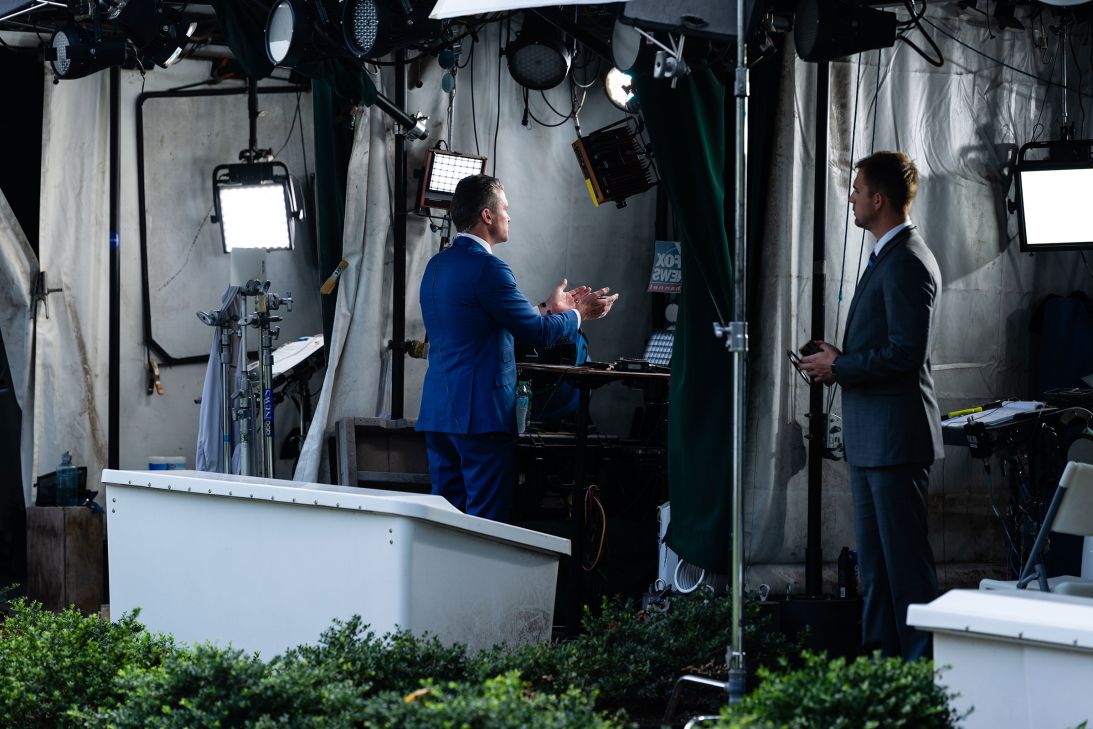
Hegseth’s focus on his own image is apparent in the ballooning number of public relations staff he has hired in recent months, officials said. He now has more than double the number of spokespeople his predecessor had, and their primary tasks appear to be posting on X in support of Hegseth, producing videos for him, and scanning social media for any signs of servicemembers being disloyal or out of step with the secretary’s image for the department, officials said.
Military and civilian officials across the services say they constantly feel like they are walking on eggshells because of a small army of “watchers” both inside Hegseth’s office and on X, many of whom say openly they are looking for “wins” in getting people fired.
Two military doctors have been targeted in just the last two weeks following two such online pressure campaigns. On August 29, an Army veteran-turned-conservative podcaster publicly accused an Army colonel and physician of being “an activist for transgender ideology” in a post on X.
Hours later, the podcaster posted that the physician, an Army colonel, had been relieved of command. The podcaster thanked Hegseth for taking action; the Army declined to answer questions on if she had been relieved, saying only that she is currently on active duty.
Last week, the same podcaster posted about a Navy physician who had listed pronouns on her official LinkedIn page and described herself as a deputy medical director for transgender healthcare. The post was amplified by the far-right Libs of TikTok account. Less than 12 hours later, Hegseth responded, “Pronouns UPDATED: She/Her/Fired.”
There had not been an investigation prior to her firing, nor was her removal related to any concerns about her job performance, an official familiar with the situation said.
The podcaster, Chase Spears, and a number of other accounts in the same ecosystem, have continued publicly calling for action against several other officials and service members in the days since, often tagging Hegseth, the military services and even President Trump in an effort to get their attention. Spears said in a lengthy post on X on Tuesday that his efforts are primarily about rooting out “transgender ideology” in the military, though posts shared by him and others have also focused on the military’s former Covid-19 vaccine mandate, and broader diversity, equity and inclusion issues.
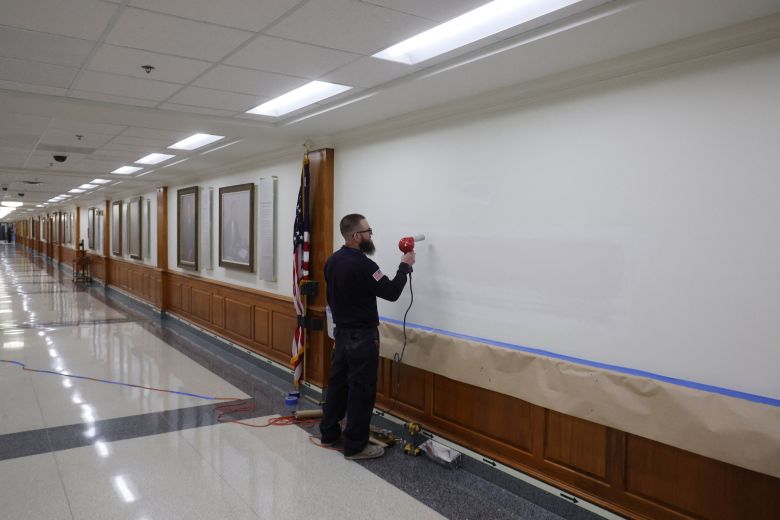
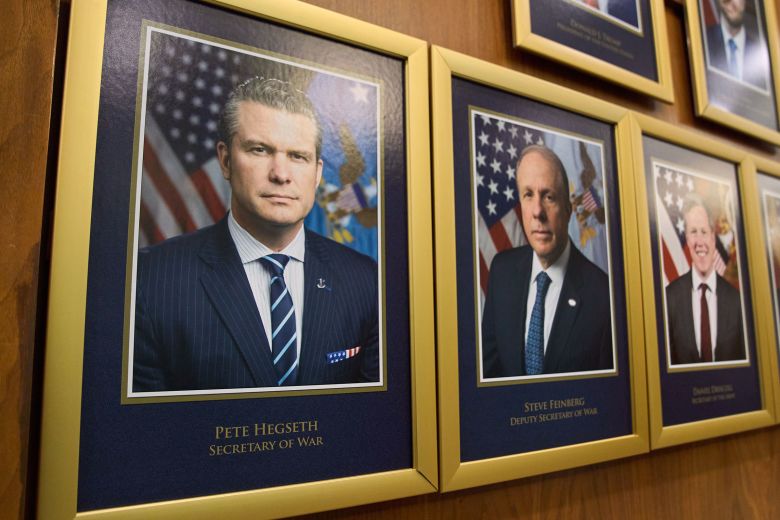
The Army has been a particular target of Hegseth’s ire, multiple sources said, which some officials believe is a result of Hegseth’s suspicions of Driscoll. Hegseth is also most familiar with the Army, having served in the Army National Guard for nearly 20 years.
“The tension between Hegseth and Driscoll bleeds down into the staffs,” said one of the sources. “Privately, it’s like, ‘Let’s find every opportunity we can to pressure the Army.’”
A lot of the pressure is simply about messaging and optics, a top priority for the TV-savvy Hegseth.
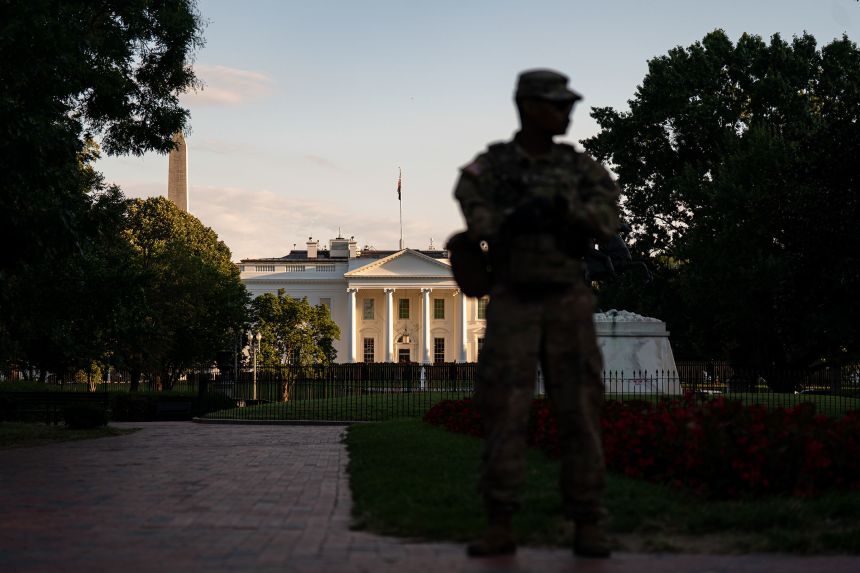
Hegseth’s office, for example, “chewed out” the Army again when the National Guard began deploying in DC because Army officials sought to emphasize that the Guard was there primarily to help with logistical tasks, the source said. Hegseth, instead, wanted the Army to focus its public messaging on the troops’ lethality and strength — and, ultimately, he decided they should be armed, too, because he thought they looked weak without weapons, the sources said.
Many Guardsmen have since been tasked with DC “beautification” projects, like gardening and trash cleanup.
Trump, for his part, has continued to stand behind Hegseth, who he believes has the right look to lead the “war department.” Trump likes Driscoll, sources said, but he isn’t a full-throated culture warrior like Hegseth — a possible vulnerability in this administration.
Still, one big reason Driscoll has consistently been named as a possible replacement for Hegseth is because as a Senate-confirmed official, he wouldn’t require a new confirmation hearing — a headache that the White House has wanted to avoid.
“He’s non-threatening, he’s charming, he’s not explosive like Hegseth is, he’s just a go along to get along kind of guy,” one of the sources said of Driscoll. “The better Driscoll looks, the worse it is for Hegseth.”
CNN’s Kristen Holmes contributed to this report.