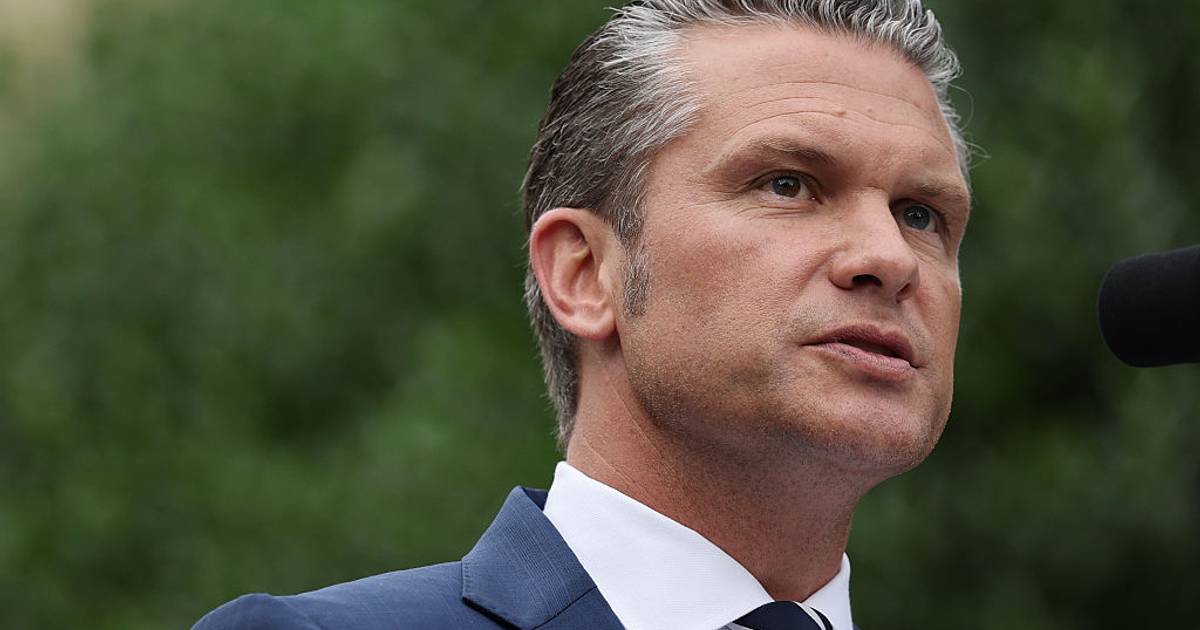
In a video, Secretary of Defense Pete Hegseth recently led a group of U.S. troops, many of whom are Black, in a prayer for Charlie Kirk after the conservative activist was fatally shot at Utah Valley University on September 10. Kirk, who was not a member of the military, was described by Hegseth as “an incredible American.â€� He added, “If you knew him, you love him. His name is Charlie Kirk. Taken by an assassin’s bullet. Unfathomable. The only assurance I can take is that I know he is with his Lord and Savior right now.â€� Neither his biography nor public records indicate that Kirk ever served in the military.Â
Kirk was well known for promoting divisive and often anti-Black rhetoric. He pushed the “great replacementâ€� conspiracy theory, spoke derisively of Black professionals, and made derogatory comments about immigrants, Muslims, and Civil Rights figures.Â
The decision by Hegseth to lead Black service members in a prayer honoring Kirk has sparked controversy. Critics argue it amounts to politicizing the military and placing Black troops in a position to honor a civilian with a record of hateful speech. Many see this as disrespectful given both Kirk’s lack of military service and the racial implications of the tribute. Some defenders, however, emphasize the prayer was meant to be a gesture of mourning, not endorsement of all his beliefs.Â
California governor, Gavin Newsom, for example. released a statement calling the killing “disgustingâ€� despite decrying Kirk’s hateful rhetoric just months before.Â
“The attack on Charlie Kirk is disgusting, vile, and reprehensible,” Newsom posted on X (formerly Twitter). “In the United States of America, we must reject political violence in EVERY form.”
Critics are debating whether the gesture honors service principles or whether it crosses a line by conflating activism with military duty.