The new car from a well-known Korean automaker will compete with Tesla. The company was the dominant electric vehicle (EV) manufacturer in the industry for a long time, but with many automakers focusing on a greener future as well, their electric vehicles are also excellent. Take BYD for example: it has more models than Tesla in the catalogue, has been growing in South America and Europe by building factories in multiple countries. Now, it’s time for another brand to further shrink the competition with its new car.
Tesla vs Asian manufacturers’ competition continues: Korea-based company joins the fight
Asian automakers have been at the forefront of innovation for years, but this time the focus is on Korea. While Japan launches trends and separates itself from competition by being considered the best country when it comes to manufacturing reliable, everyday-use cars, Korean brands have also been innovating and producing reliable vehicles.
On the other hand, there are not as many car manufacturers in Korea as there are in other major Asian countries. Kia, Hyundai, Genesis, and KG Mobility (formerly known as SsangYong) are leading the market, with two of these brands under the same ownership, which both prevent competition and share technological advancements. It’s now time for one of them to set the tone and compete with Tesla in Korea, where the brand has a strong market presence.
Hyundai’s new EV: The company will claim local markets with this one
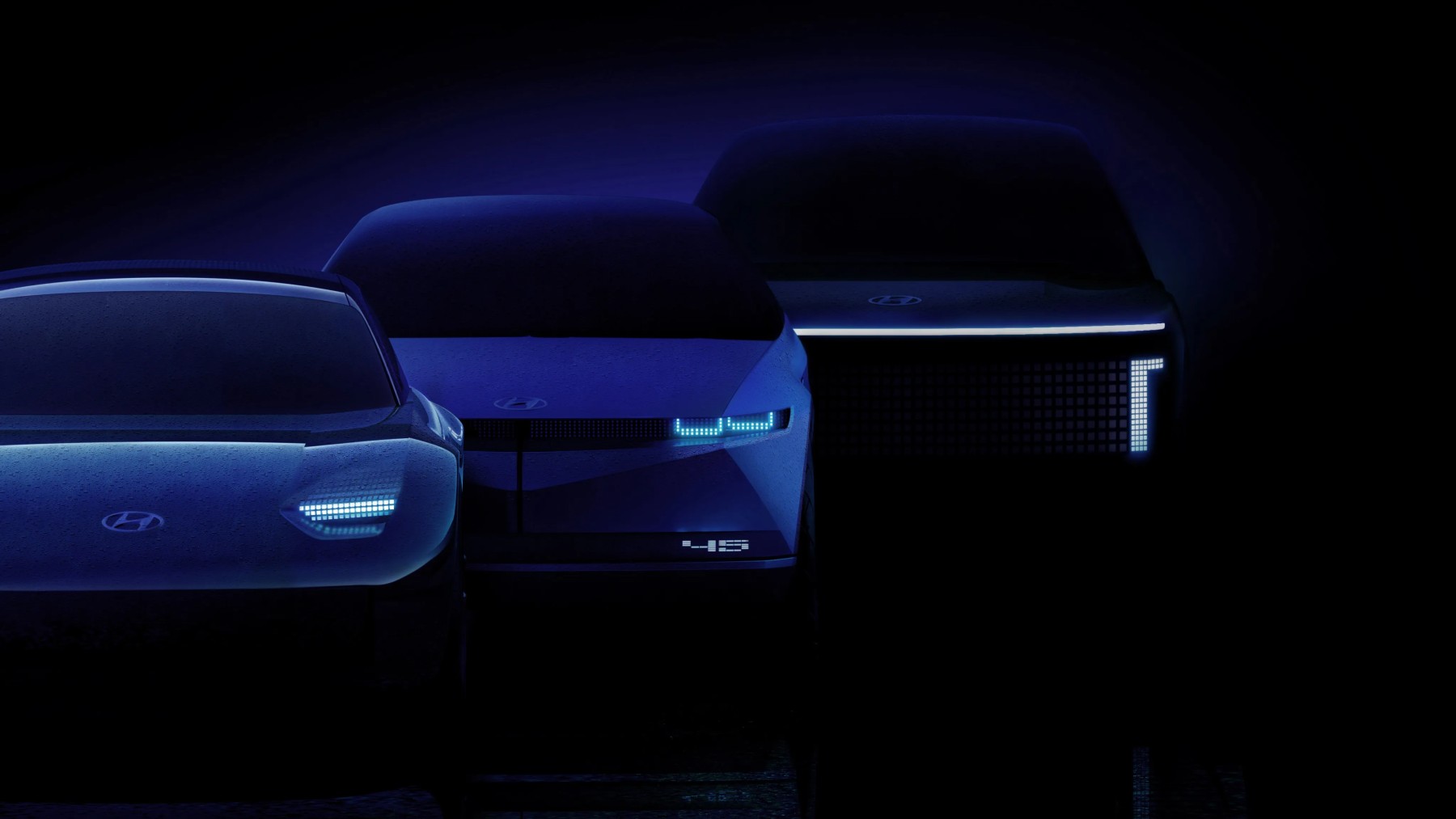
Hyundai kept people guessing for months by releasing test cars on the road, but now the company has shown a sketch and revealed the name of its upcoming next-generation EV. It’s called the Concept THREE, and the full reveal is set for mid-September at IAA Mobility 2025 in Munich. The car will slide into the Hyundai Ioniq lineup and is aimed at buyers who want a smaller, sporty EV at a lower price.
Electrek described the design as “radical” and believes the price will start around $33,700 – right in the same range as Kia’s EV2. That’s a significant advantage since the U.S. $7,500 instant credit for EVs will end on Sept. 30, making budget-friendly models more valuable.
Tesla’s dominance, still ongoing: How long will it last?
Tesla remains the number one EV seller in the U.S., but not as dominant as before. Hyundai, GM, and others are catching up. For buyers, the pitch is simple: less pollution, lower gas, and more EV choices. The concept THREE isn’t just a teaser – it’s Hyundai stepping into Tesla’s lane.
And it’s not just Hyundai. China’s BYD has been successful in 2025. Besides leading sales at home, it’s expanding into South America and Europe, while also supplying batteries to other brands. Its lineup is extensive – seven main models plus sub-brands.
The big question is whether BYD can grow outside China. The Seal 06, for example, doesn’t match Tesla’s Model 3 in range, but at half the price ($32,800 for the Model 3 in China with 394 miles), it could sway a lot of buyers. In Europe, BYD currently only sells the Seal DM-i sedan, but two more plug-in hybrids are planned for 2025.
The project that failed: Hyundai steps back on super EV
Hyundai failed to revive one of Toyota’s most iconic cars. After only a few months, it was dropped. Reports suggested the model could reach mass production, but a new piece from South Korea’s iNews24 states that the idea has now been shelved. Analysts point out that Hyundai might already have too much on its plate. The company is investing heavily in air taxis, hydrogen fuel, and next-generation software for its cars – taking on another project may have been a stretch.