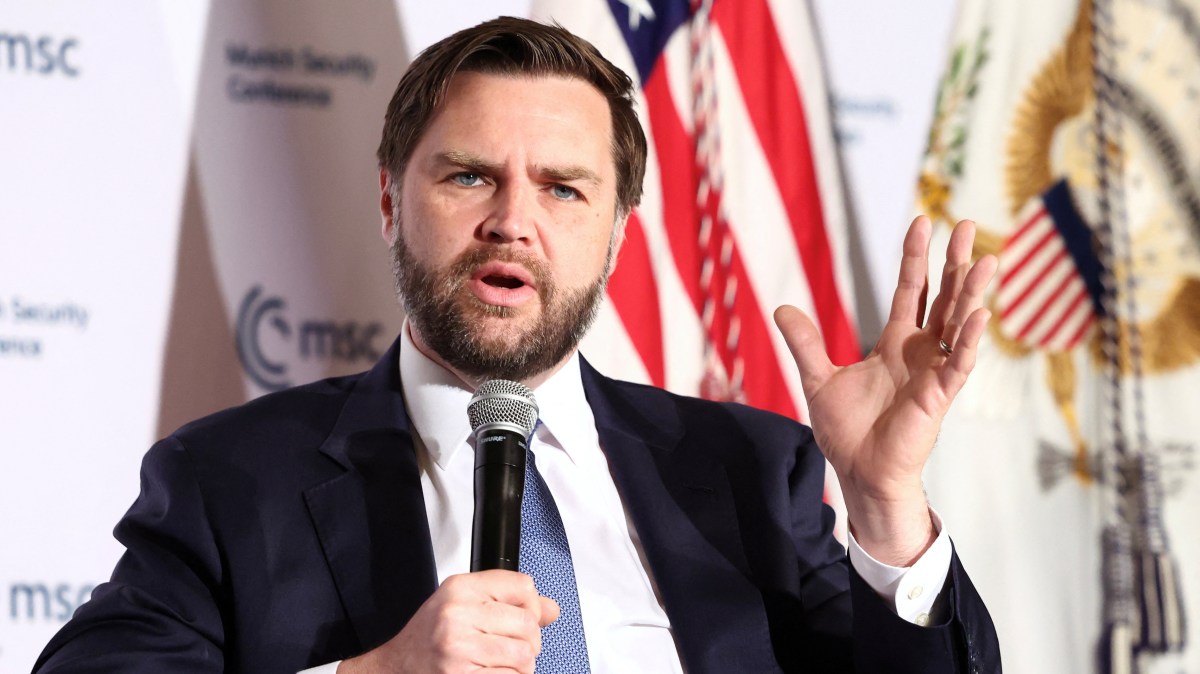
During a speech in Munich, JD Vance memorably warned about free speech in European democracies being “in retreat” but his administration now stands accused of using the levers of power to control public discourse in the US.
“Under Donald Trump’s leadership, we may disagree with your views but we will fight to defend your right to offer them in the public square,” the vice-president said at the security conference in February, 24 days into President Trump’s second term.
The realities of government are turning out somewhat differently.
Polarised passions unleashed by the assassination of Charlie Kirk are stress-testing tolerance in America. Numerous people were sacked after being accused of celebrating the killing or spreading misinformation, including one of the highest-paid voices on TV screens.
Pam Bondi, the attorney-general, said she would “go after” those using “hate speech”, even though there is no law that permits such action in the US, where the powerful First Amendment protects freedom of speech from government interference.
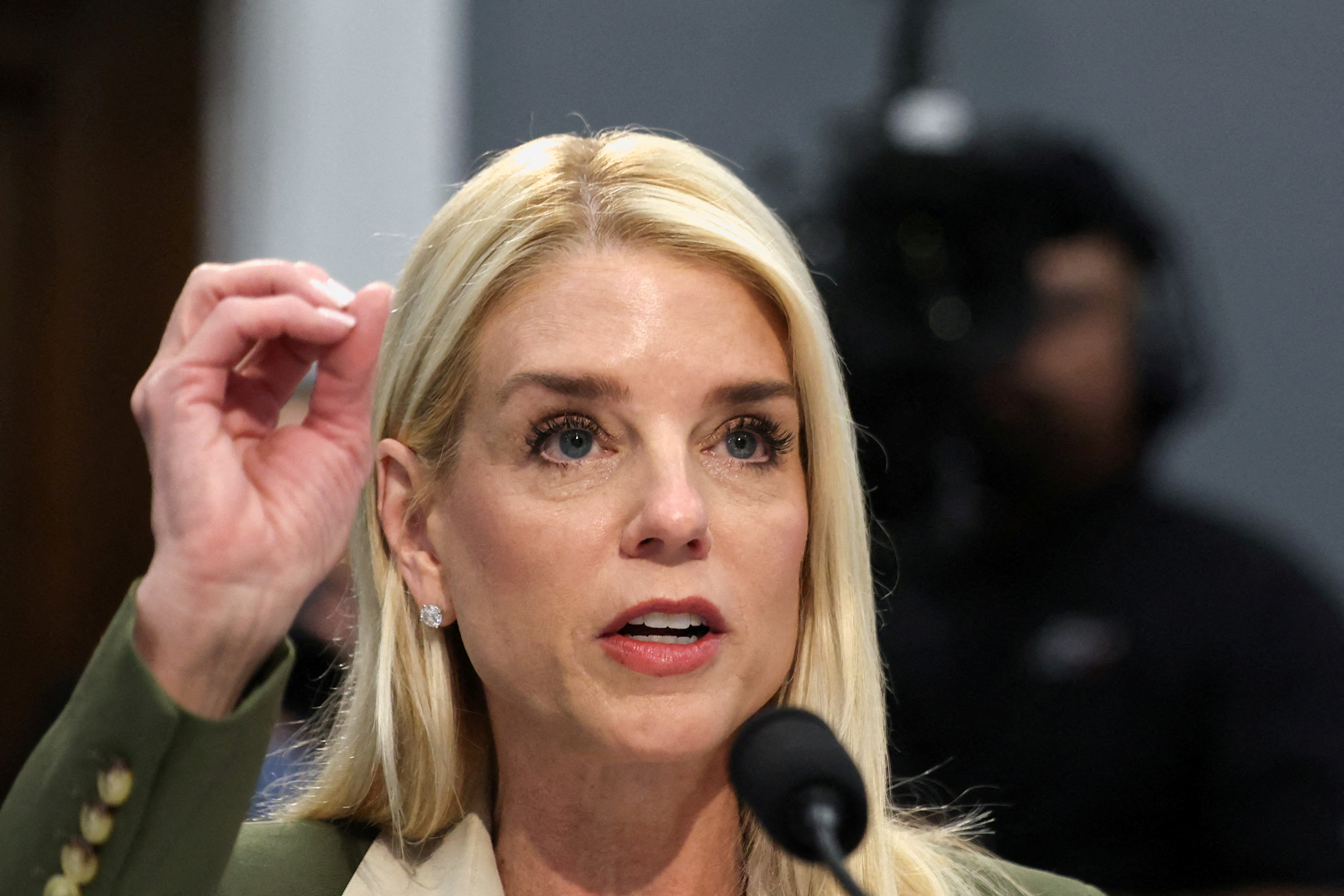
Pam Bondi, US attorney-general
EVELYN HOCKSTEIN/REUTERS
Jimmy Kimmel’s suspension from his late-night comedy slot by the ABC network came after his reference to the “Maga gang” desperate to portray the alleged killer of Kirk “as anything other than one of them and with everything they can to score political points from it”.
Trump blamed the removal of Kimmel, a vociferous critic, squarely on his “lack of talent”. Standing alongside Sir Keir Starmer during his state visit to the UK, the president said: “Jimmy Kimmel was fired because he had bad ratings more than anything else.”
But hours before ABC’s announcement, Brendan Carr, chairman of the Federal Communications Commission (FCC), called Kimmel’s remarks “the sickest conduct possible.” He added: “This calls for Kimmel to be fired … This is a very, very serious issue right now for Disney [ABC’s parent company]. We can do this the easy way or the hard way.”
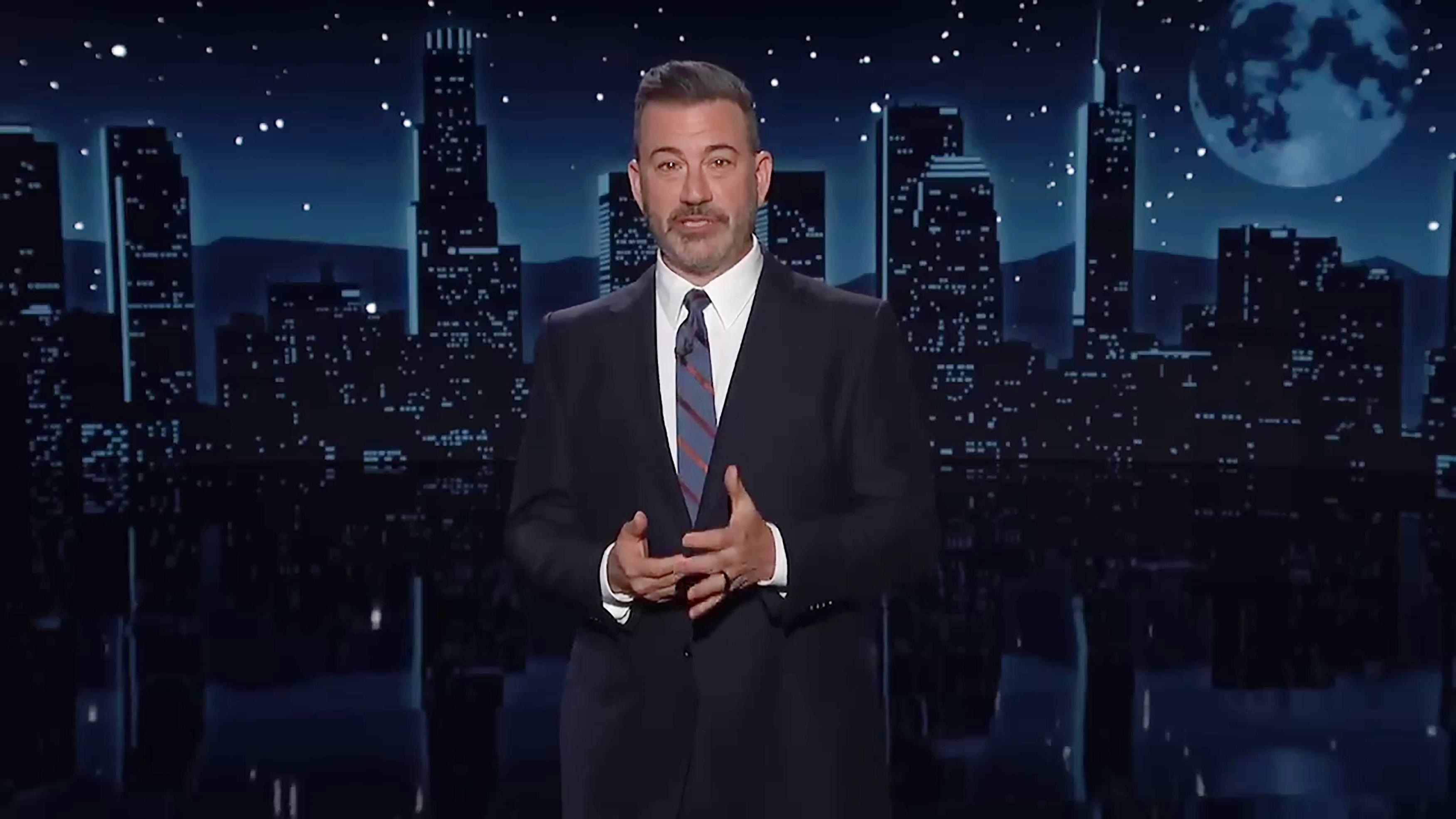
Jimmy Kimmel Live! was taken off air “indefinitely”
BACKGRID
Rules for broadcast networks are different to those for cable television, where extreme opinions and false assertions abound. Cable is primarily regulated by libel law, whereas the FCC has the power to investigate, fine and, in extreme cases, withdraw the broadcasting licence if networks are found to have deliberately misled viewers.
Comedians had traditionally been given leeway because their viewers expected humour and irony rather than rigorous fact-checking.
However, Carr’s motivations were questioned by Democrats because he made no secret of his partisan commitment to Trump, having written a chapter of the Project 2025 manifesto for the president’s second term.
Months before Kirk’s murder, Carr was flexing his regulatory muscles in ways opponents decried as the type of weaponisation of government powers that the Biden administration had been accused of by the Maga movement.
Another factor in the row over free speech is the FCC’s role in approving media companies’ high-stakes mergers and acquisitions.
Suspicions were raised by Carr’s decision to approve a Paramount merger three weeks after it paid $16 million to settle a lawsuit with Trump over its CBS division’s editing of a Kamala Harris interview and one week after CBS announced that Trump critic Stephen Colbert’s late-night comedy show was being cancelled. Both were seen by critics as capitulations to Trump on free speech that CBS should have fought. The merger was worth $8 billion.
• Comment: Don’t cry for Stephen Colbert — he should have been axed years ago
Two ABC affiliate stations — Nexstar Media Group and Sinclair — which precipitated Kimmel’s demise by saying they would pull his show in their regions, both have weighty regulatory matters before the FCC. Nexstar also has a proposed merger with Tegna, valued at $6.2 billion, that can only go ahead with FCC approval.
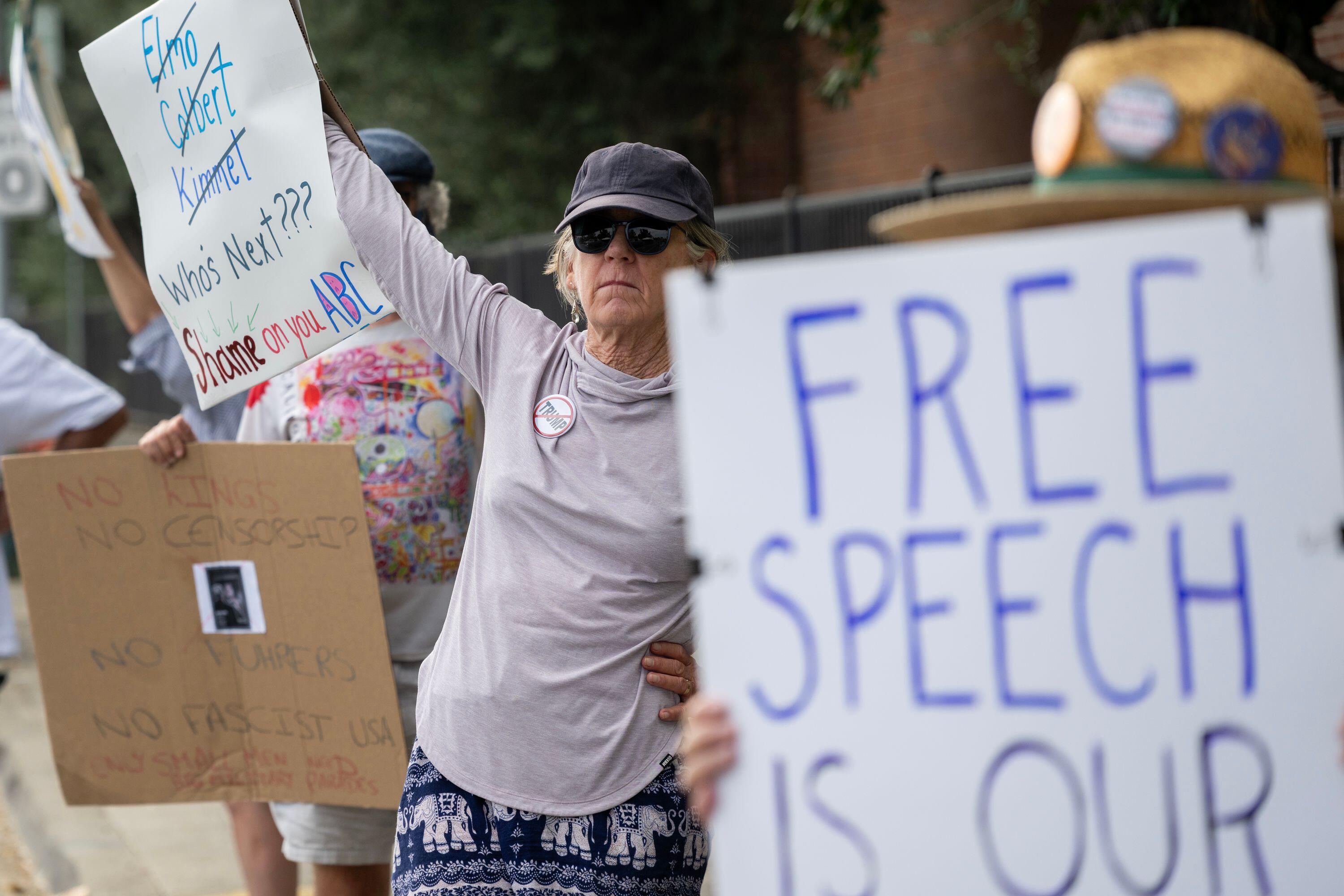
Protests broke out against the administration’s crackdown on critics
PAUL KITAGAKI JR/ALAMY
Trump celebrated Kimmel’s ousting just as he had Colbert’s and called for NBC to sack Jimmy Fallon and Seth Meyers, two more late-night comics he loathes.
Carr had launched two investigations of the NBC owner Comcast; the first in April into its diversity policies and another in July into whether programming at stations and affiliates “best reflect the needs and interests of their communities”.
Democrats claimed Carr’s actions were partisan strong-arming, but he was unrepentant in a Fox News interview this week. The FCC believes that broadcast licences carry “a unique obligation to operate in the public interest”, he said, and with the cancellation of Kimmel he was “very glad to see that American broadcasters are standing up to serve the interests of our community”.