Quick Read
Barnabás Varga is suspended for Hungary’s October 11 World Cup qualifier against Armenia after receiving a yellow card against Portugal.Head coach Marco Rossi must adapt tactics due to the absence of both Varga and Roland Sallai, who is serving a two-match ban.Hungary is currently third in Group F with one point, facing pivotal matches against Armenia and Portugal.Dominik Szoboszlai may take on a striker role to compensate for the depleted forward line.Tickets for the Armenia match sold out in less than 24 hours, highlighting intense fan support.
Hungary’s World Cup Qualifying Hopes in Turmoil as Varga Misses Key Fixture
As the Hungarian national football team converges on Telki for what could be a defining chapter in their World Cup journey, the atmosphere is thick with both anticipation and anxiety. The squad—meticulously assembled by head coach Marco Rossi—is acutely aware that their path to the 2026 FIFA World Cup has grown steeper. Not only did September’s matches leave them short on points, but fresh obstacles have emerged, most notably the absence of star forward Barnabás Varga due to suspension.
Varga, a talismanic presence for Ferencvárosi TC and a reliable finisher for the national team, received a yellow card in the closing moments against Portugal, ruling him out of the crucial October 11th clash with Armenia. His suspension, paired with Roland Sallai’s two-match ban following a heated incident in Dublin, has left Hungary’s attacking line dramatically undermanned. Rossi is now forced to recalibrate his strategies, with the weight of national expectation pressing down.
Squad Selection and Tactical Dilemmas
The squad list for the upcoming fixtures reflects both promise and challenge. Goalkeepers Dénes Dibusz, Péter Szappanos, and Balázs Tóth anchor the defense, while the backline features a blend of experience and youth, including Botond Balog and Milos Kerkez. The midfield, powered by the likes of Dominik Szoboszlai—whose versatility is increasingly vital—offers tactical flexibility. But it is the forward line that draws the most attention, with Varga’s absence creating a void that must be urgently filled.
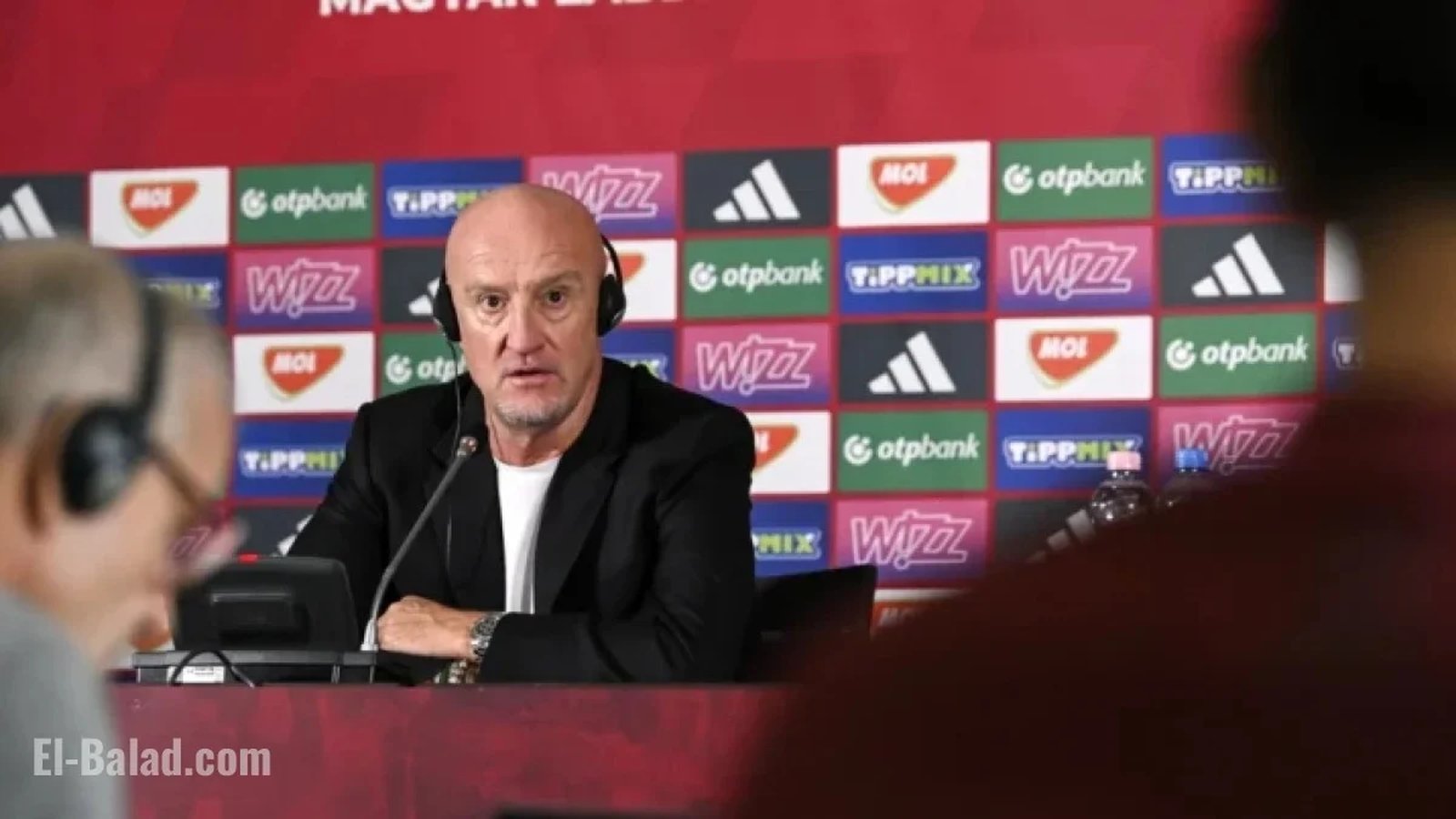
Rossi, preparing for his 79th match as Hungary’s head coach—a milestone that places him second only to the legendary Lajos Baróti in longevity—has publicly acknowledged the dilemma. “Victory against Armenia is non-negotiable if we aim to continue our dream of progressing in the qualifiers,” he stated, underscoring the stakes. The team, currently third in Group F with just one point and a negative goal difference, cannot afford any missteps. Tickets for the home match against Armenia sold out in under 24 hours, proof of the feverish support from Hungarian fans, yet also a reminder of the pressure resting on the players’ shoulders.
How Will Hungary Replace Varga?
The classic center-forward role, usually occupied by Varga, now falls to Barna Tóth, who is expected to lead the attack in his stead. Rossi has hinted at possible formation changes, including a shift between three and four defenders and the deployment of Szoboszlai in more advanced positions. Such flexibility could prove decisive, especially against an Armenian side that has shown resilience and tactical discipline throughout the qualifiers.
“We must create opportunities against Armenia while respecting their capabilities,” Rossi noted, alluding to the need for both caution and creativity. With Sallai and Varga unavailable, the attacking burden will be shared among Zsombor Gruber, Dániel Lukács, and Rajmund Molnár, each of whom must rise to the occasion. The possibility of Szoboszlai acting as a striker is an intriguing one, offering Hungary a chance to surprise their opponents and redefine their offensive rhythm.
Group F Standings and the Road Ahead
The competition in Group F is fierce. Portugal leads comfortably with six points and a commanding goal difference. Armenia, Hungary’s immediate rival, holds three points, while Ireland sits level with Hungary at one point. The upcoming fixtures—Hungary versus Armenia on October 11 and Portugal versus Hungary on October 14—are more than just games; they are tests of character and resilience.
Hungary’s schedule is relentless. After the October fixtures, they face Armenia again on November 13 and host Ireland on November 16. Every match is a crossroads, every tactical decision potentially pivotal. Rossi’s leadership will be under scrutiny, his ability to adapt and inspire the squad measured in real time on the pitch.
Hungarian supporters are set to flood stadiums both at home and abroad, with 2,500 fans expected at the José Alvalade Stadium in Lisbon. Their presence could provide the emotional edge needed to galvanize the team, yet the absence of Varga and Sallai remains an inescapable reality. Rossi’s challenge is to harness the available talent, instill belief, and find the formula that will break through Armenia’s defenses and keep Hungary’s World Cup dreams alive.
The Broader Implications of Varga’s Suspension
Beyond immediate tactical concerns, Varga’s suspension raises broader questions about squad depth and the psychological impact on the team. Football is as much a mental contest as a physical one, and the loss of key players can unsettle even the most seasoned squads. Rossi’s willingness to experiment with formations and rely on emerging talents speaks to his adaptability, but also highlights the fragility of Hungary’s campaign.
Sources such as el-balad.com and Emegypt have reported on the team’s preparations, emphasizing the strategic adjustments underway in Telki. The Hungarian football community, from coaching staff to supporters, is united by a single purpose: to see their team emerge victorious and keep the dream of World Cup qualification alive. Yet, with each passing fixture, the margin for error shrinks, and the need for decisive action grows.
As Hungary prepares for their pivotal encounter with Armenia, all eyes are on Rossi and his chosen eleven. The match is more than a contest of skill—it is a referendum on the team’s resolve, adaptability, and hunger for success. Varga’s absence may have altered the script, but the story of Hungary’s World Cup journey is far from finished.
The suspension of Barnabás Varga has forced Hungary into a crucible of tactical innovation and collective resilience. Whether this setback will serve as a catalyst for renewed determination or mark a turning point in their campaign depends on the squad’s ability to adapt and seize the moment. In football, as in life, adversity often reveals true character—and Hungary’s response will shape their fate on the road to the World Cup.