Malta and Gozo lie at the crossroads of the Mediterranean, roughly equidistant from the major shores of the region. We take pride in a history spanning thousands of years, shaped by many civilisations, resulting in a unique artistic and cultural identity.
This heritage positions us to turn culture into a powerful engine of growth, pride and global influence. Yet, today’s cultural economy has exposed systemic flaws, sidelined local talent and squandered public funds, eroding public trust.
This is the moment to reimagine Malta’s cultural economy. I, for one, believe that to unlock our cultural economy a bold, transparent and inclusive strategy is essential, one that empowers local talent, fosters innovation and ensures public funds truly serve the public good.
A future Nationalist Party in government will work hand in hand with stakeholders – long sidelined and ignored – and place them firmly at the centre of decision-making, where they belong. Real progress is only possible when decisions are made together with the people who drive the sector forward.
For the very soul of Malta’s cultural economy lies in its own creators – filmmakers, artists, fashion designers, sculptors, theatre producers, musicians and writers, among others. All these together define our nation’s identity.
Our nation’s identity is rooted in authentic local talent – not in imports or opaque direct orders made under questionable pretences. Local artists are the true ambassadors of Malta’s cultural economy, consistently proving that this country knows no limits.
We will foster a culture of motivation, where every stakeholder is equally valued and empowered to realise their full potential – because, through creativity and heritage, we can always achieve more.
They often speak of our limitations, however, culture and heritage continually prove otherwise. This sector defines itself by demonstrating that, through creativity and a strong sense of identity, there are no limits to what we can achieve. To unlock this potential, the annual budget for the Cultural Development Fund must be significantly increased and entrusted to an independent board of artists, academics and industry experts.
To widen access and amplify impact, targeted grants should be introduced for cultural and artistic studies at the University of Malta, supported by tax incentives. These measures will ensure that emerging creators have the resources they need to thrive. Transparency, of course, is the bedrock of a credible cultural economy. We’ve seen too many opaque and unsubstantiated subsidies awarded to non-cultural projects – a clear sign of the need for greater accountability.
We therefore propose an independent Public Cultural Funding Board Portal, overseen by the National Audit Office, to ensure fair competition and a level playing field. This would strengthen public trust and attract foreign investors seeking a transparent system, not one that benefits a select few at the expense of others.
I also believe we can foster innovation by establishing a cultural hub in a repurposed space – a collaborative environment for filmmakers, fashion designers, artists and tech developers. The abandoned lower Fort Saint Elmo comes to mind.
Today’s cultural economy has exposed systemic flaws, sidelined local talent and squandered public funds- Julie Zahra
The PN is already in motion. Through the support of Creative Europe and seed grants from Malta Enterprise, the flourishing of our cultural economy is no longer a dream. It is a reality which will create local jobs and attract foreign investment.
Cultural tourism thrives when events showcase local talent. Rather than selecting a handful of events to appease a privileged few, the PN is committed to launching a Euro-Mediterranean Arts Festival. Backed by government investment, this festival will celebrate local film-making, fashion, arts, culture, cuisine and crafts across cities rich in heritage.
We are committed to forging agreements that transform abandoned heritage sites and bring exhibits by established artists to our shores through exchanges with local artists and filmmakers.
Our goal is not only to attract quality tourism but also to significantly increase investment in global marketing to attract cultural tourists. Indeed, this is the clear path forward for our cultural economy.
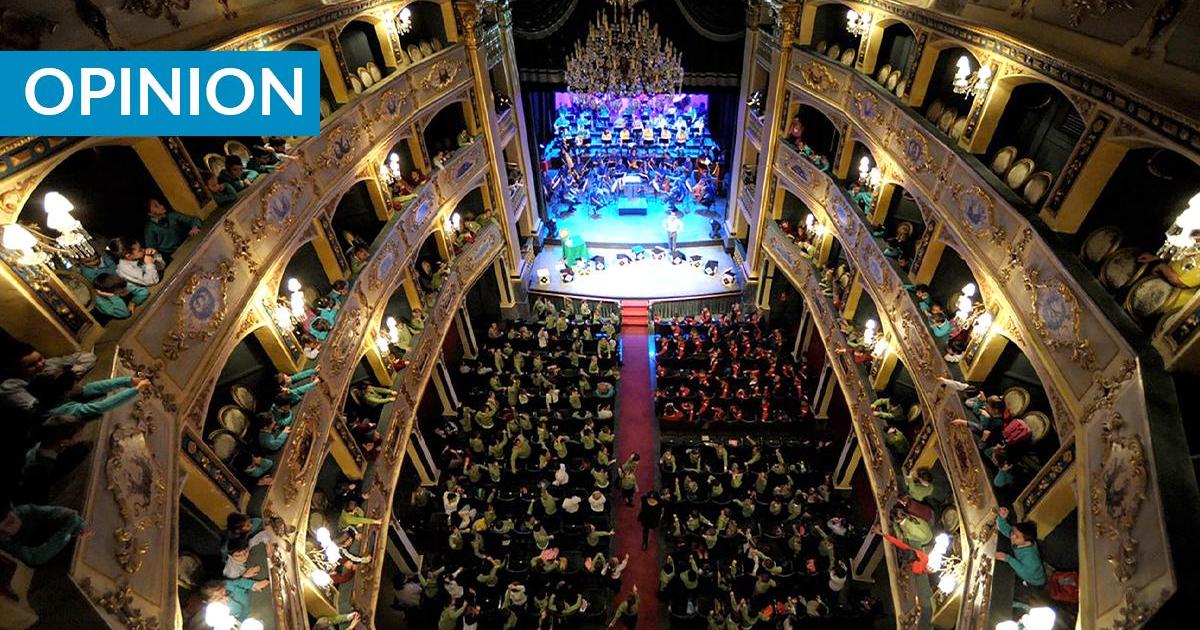
The Nationalist Party is committed to developing a state-of-the-art multipurpose concert hall – a modern cultural landmark that Malta urgently needs. This project will provide a world-class venue for orchestral performances, contemporary concerts, theatre and community events, giving artists the professional space they deserve while enriching Malta’s cultural life.
Beyond culture, it will also serve as a driver for the creative economy, attracting international productions, boosting cultural tourism and creating opportunities for local talent.
I was formerly the PN’s heritage spokesperson. It is a sector which remains close to my heart. Heritage and the cultural economy do not simply run in parallel; they walk hand in hand. I firmly believe in digitising our heritage to reach a global audience. Our cultural assets are global treasures, yet they remain underutilised in the digital realm. A digital heritage platform could preserve and showcase artefacts, manuscripts and historical sites by offering virtual tours and educational content.
Robust policies are vital and the PN has already hit the ground running to revitalise Malta’s cultural economy. We need all stakeholders on board. Community involvement is key.
We are committed to integrate arts and culture into schools and allocate funds for teacher training and introduce tax incentives and grants for students who choose such curricular or extra-curricular programmes.
Reimagining Malta’s cultural economy promises a transformative economic payoff.
By rejecting cronyism and embracing transparency, Maltese talent will be empowered to lead a cultural renaissance – proving once again that, despite our small size, we can make a powerful impact.
This is our moment.

Julie Zahra is the shadow minister for culture and the creative economy.