The World Expo in Osaka, Japan, closed to the public on Monday, after six months during which around 20 million people visited the attraction and its nearly 200 pavilions.
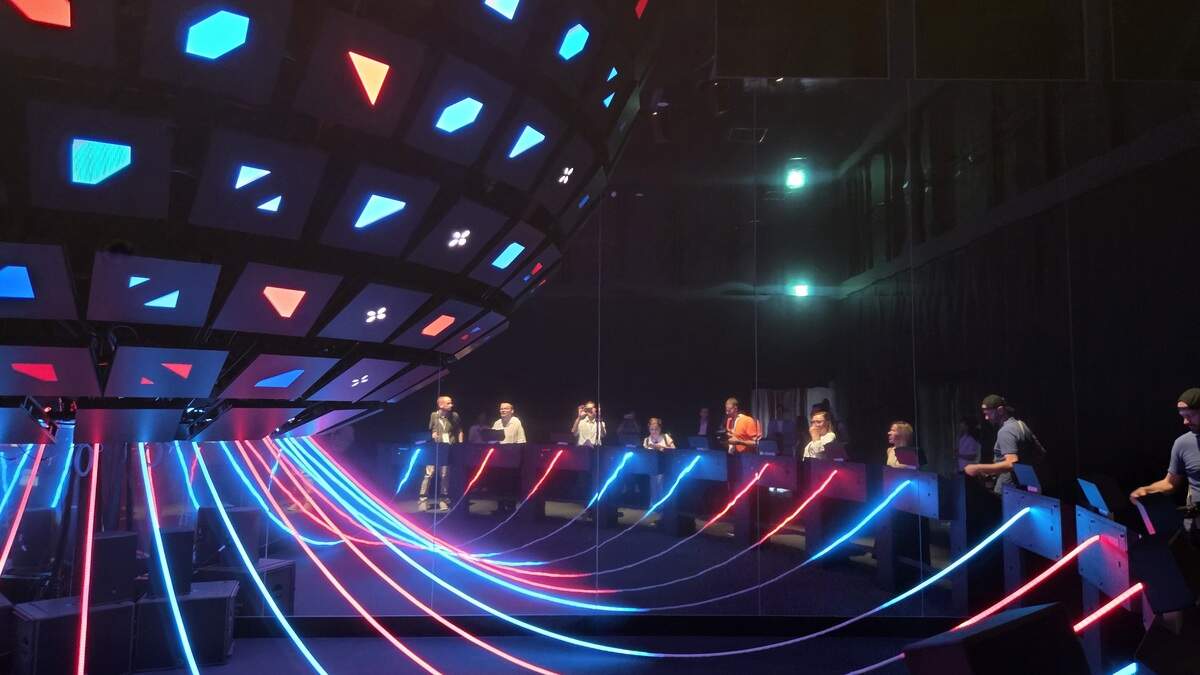
Under the banner “Doki-doki: The Luxembourg heartbeat”, Luxembourg’s pavilion is widely considered a success story for the Grand Duchy. Some 380,000 visitors visited the pavilion, including Grand Duke Henri, (then) Hereditary Grand Duke Guillaume, government ministers and many business leaders.
The Expo Association ranked Luxembourg’s as the ninth-best foreign country pavilion. According to a ranking in the Nikkei Marketing Journal, Luxembourg had the third-best pavilion in Osaka. Most recently, at the very end of the Expo, the Bureau International des Expositions awarded Luxembourg its award for the most sustainable pavilion under 1,500 square metres.
Sustainability has been core to the pavilion concept from the outset – not least because the expo theme in Osaka is “designing future society for our lives”. Architects decided to build the pavilion from Japanese materials that can be reused or repurposed wherever possible.
Also read:Getting under the skin of Luxembourg’s World Expo pavilion
“We are currently looking into potential ways of reusing the different components of the Luxembourg Pavilion. But one thing is already clear: the modular concrete blocks used for the foundations will be reused by Nesta Resort Kobe, a theme park near the city of Kobe,” a spokesperson told the Luxembourg Times by email. “The Pavilion’s lightweight membrane roof also has second life in store: together with the SEAL brand, craftsmen in Osaka will transform it into sturdy, waterproof bags and accessories that [could] already be pre-ordered during the Expo.”
“Discussions are still under way about what to do with the two other Pavilion components and the remaining parts of the interior design,” the spokesperson added. “We hired some of the items, such as all the audiovisual devices, thereby ensuring that they will be reused.”
The pavilion admitted groups of 25 people at a time, unlike the previous expo pavilion in Dubai, which allowed a constant flow of visitors. This means the maximum capacity of the pavilion in Osaka was 2,250 per day and its total maximum capacity over six months was in the region of 400,000. When accounting for closures due to official visits and special events, it is clear that the Luxembourg pavilion nearly maxed out its capacity.
On Reddit, one Luxembourger who lives in Japan reported queueing for four hours last weekend to see the pavilion, with a torrent of commenters reporting similar experiences. Social media users have been generally vocal about long queues at the expo since April, with some saying organisers sold twice as many tickets as they should have.
In the aftermath of the expo, the organisers’ most pressing problem is returning Yumeshima island to the Osaka prefecture as they found it, having removed all trace of one of the world’s largest events by the end of this year. Talks were underway this summer, however, to potentially leave behind parts of the great ring – the world’s largest timber structure that encircles the site.
Also read:Osaka World Expo pavilions: from marvellous to meh
Also read:Osaka’s brilliant-to-bewildering world expo pavilions