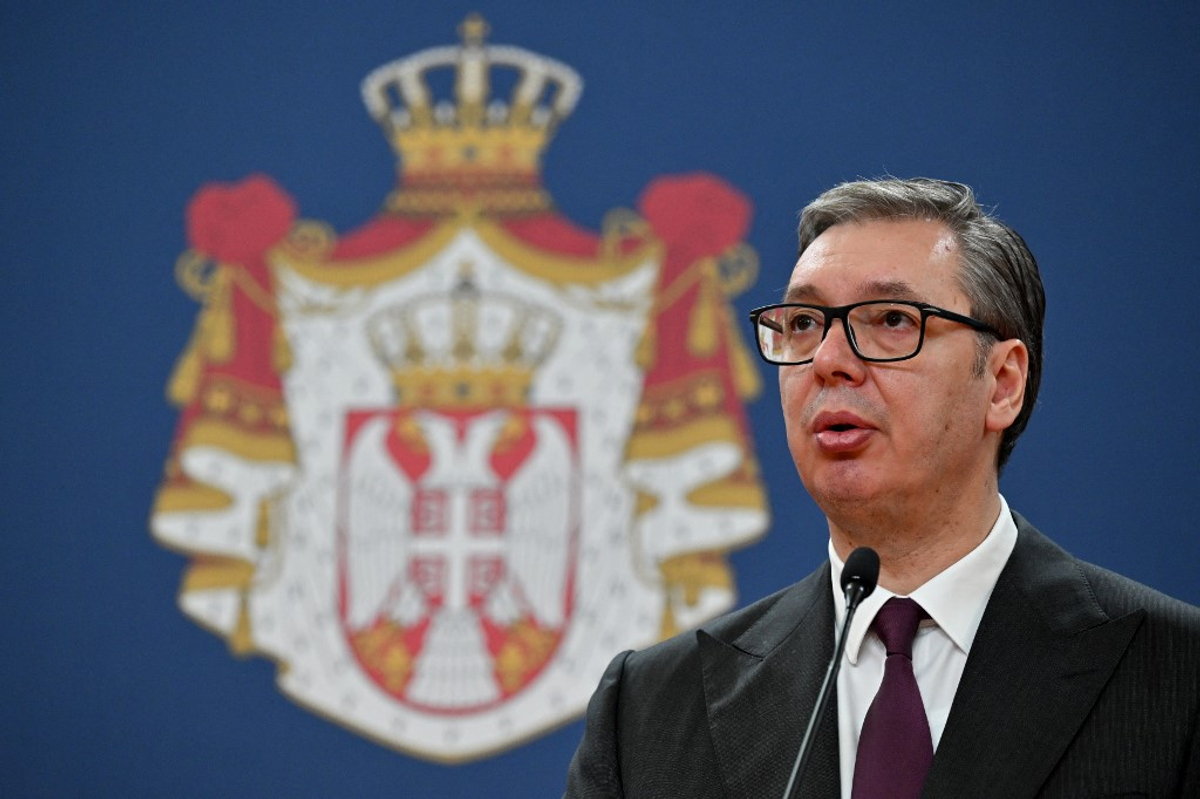
Russian nationals were present at a secretive camp in Serbia where Moldovan citizens were allegedly trained to undermine the country’s recent elections, the Serbian president has confirmed.
Aleksandar Vu�ić said that three Russians were at the Sun�ana Reka camp near Loznica in western Serbia, which has been subject of investigation since the Moldovan government exposed what it claimed was a Russian interference operation last month.
Follow our coverage of the war on the @Kyivpost_official.
Dozens of Moldovans and Romanians attending the camp, located near the border with Bosnia, were allegedly given instruction in sabotage and protest tactics ahead of pivotal elections to the Moldovan parliament on Sept. 28.
“I cannot claim that a Russian intelligence service was involved, but we have established the presence of three Russian citizens at the Sun�ana Reka camp,� Vu�ić said on Wednesday.
Two Serbians were arrested last month on suspicion of facilitating the camp, as Moldovan police detained 74 people in a wider operation targeting alleged destabilization efforts in the run-up to the vote.
“We detained persons of Serbian nationality who were available to us,� Vu�ić told a press conference. “They have given us information about the persons in question and the investigation continues.�
What do we know about the camp?
Moldovan officials claim that Russian secret services organized the camp, held on the bank of the River Drina, to train recruits on how to spark unrest following the elections, which pitted the incumbent pro-Western government against pro-Russian factions.
Other Topics of Interest
India Says Priority is Consumers After Trump Comments on Stopping Russian Oil
Trump in August raised tariffs on Indian exports to the United States to 50 percent, with Trump’s aides accusing India of fueling Russia’s war in Ukraine.
According to Serbian prosecutors, between 150 and 170 Moldovans and Romanians went through the training program, which was conducted from July 16 to September 12 this year.
Moscow has denied any involvement and Serbian police and prosecutors have made no mention of Russia in their statements on the matter, Radio Free Europe/Radio Liberty’s Balkan news service reported.
It means that Vu�ić’s mention the presence of Russian nationals at the camp—which had been reported earlier by investigative journalists—is the first high-level recognition of possible Russian influence on the venture.
The EU-friendly Party of Action and Solidarity eventually emerged victorious in the elections but the process was marred by “serious cases of foreign interference,� according to international observers.
Serbia’s tightrope
Vu�ić’s disclosure was made beside European Commission President Ursula von der Leyen at a press conference in Belgrade, and comes amid mounting EU pressure for Serbia to distance itself from Moscow.
The EU wants Serbia to synchronize its foreign policy with the bloc’s—a key demand for advancing its bid to join the 27-country union.“We need greater alignment in our foreign policy, including regarding sanctions against Russia,� von der Leyen said during the joint press briefing.
Serbia, however, remains an outlier in Europe—maintaining open borders and friendly relations with Russia even after the 2022 invasion of Ukraine.
The EU hierarchy has also been critical of the Vu�ić government’s reaction to widespread protests over the last year, which have seen police using force against demonstrators angry at allegations of corruption.