Dan Sabbagh and Artem Mazhulin write that an attempt by Russia to connect the illegally occupied Zaporizhzhia nuclear power plant to the Russian grid in time for Vladimir Putin’s birthday was foiled by Ukrainian forces operating behind enemy lines. Ukrainian partisans attacked substations in the occupied Zaporizhzhia region, damaging a new high-voltage connection from the plant to the Russian grid, according to sources. This forced Russian engineers to restore the original power line from Ukraine to power the cooling systems and prevent a radioactive meltdown. The cooling systems had been running on last-resort diesel backup generators after, according to Ukraine and independent experts, Russia deliberately damaged the Ukrainian line to try to justify transfer to the Russian grid. The International Atomic Energy Agency stepped in to insist that external power be restored immediately.
Ukraine’s forces struck Russia’s Ryazan oil refinery, the general staff of the Ukrainian military said. The attack caused a fire at the plant critical for Russian military supplies, the general staff said, adding that Ukrainian drones also hit an ammunition depot in Belgorod region. The reports could not be independently verified.
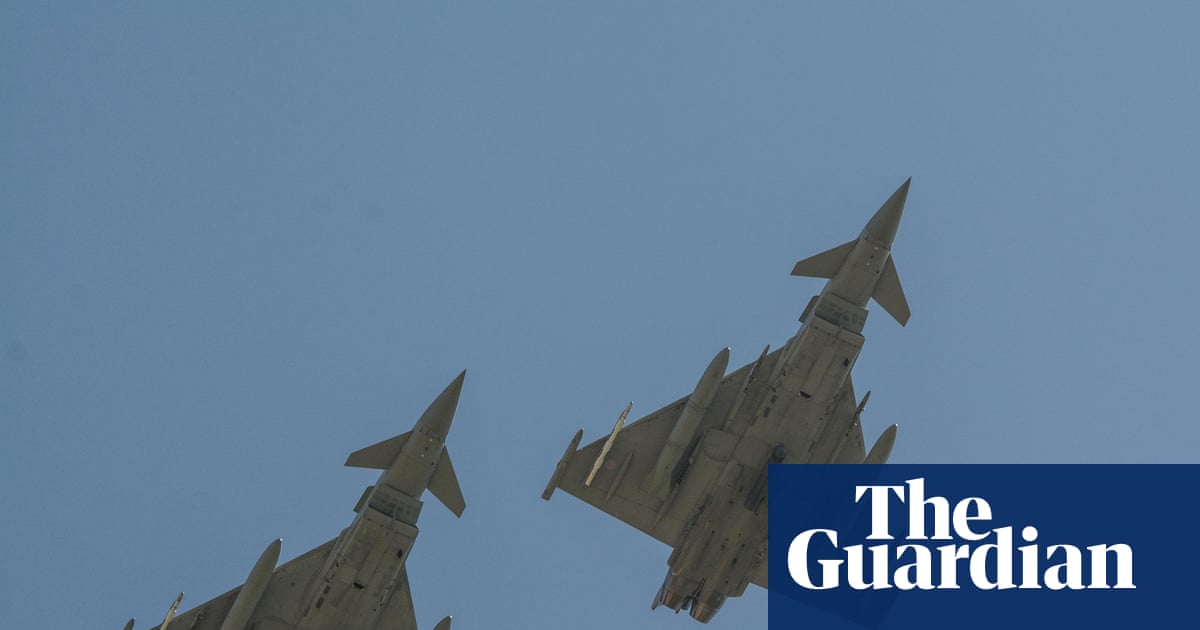
Keir Starmer will urge European leaders to boost long-range missile supplies to Kyiv at a London summit on Friday of the “coalition of the willing” that Ukraine’s president, Volodymyr Zelenskyy, is set to attend. Starmer will announce the acceleration of air defence missile manufacturing with the aim of supplying Ukraine with more than 5,000 of them. About 140 “lightweight-multirole missiles” will be delivered to Ukraine this winter. The UK and France already supply Ukraine with Storm Shadow and Scalp long-range missiles, and Ukraine produces its own Flamingo and Neptune cruise missiles.
Zelenskyy, urged EU leaders to agree as soon as possible on a plan to use frozen Russian assets to support Ukraine. A hoped-for decision was postponed on Thursday and the language around the proposal watered down after opposition from Belgium, which hosts most of the Russian central bank funds immobilised in the EU at the Brussels-based institution Euroclear. Belgium’s prime minister, Bart De Wever, said: “We want guarantees if the money has to be paid back that every member state will chip in. The consequences cannot only be for Belgium.”