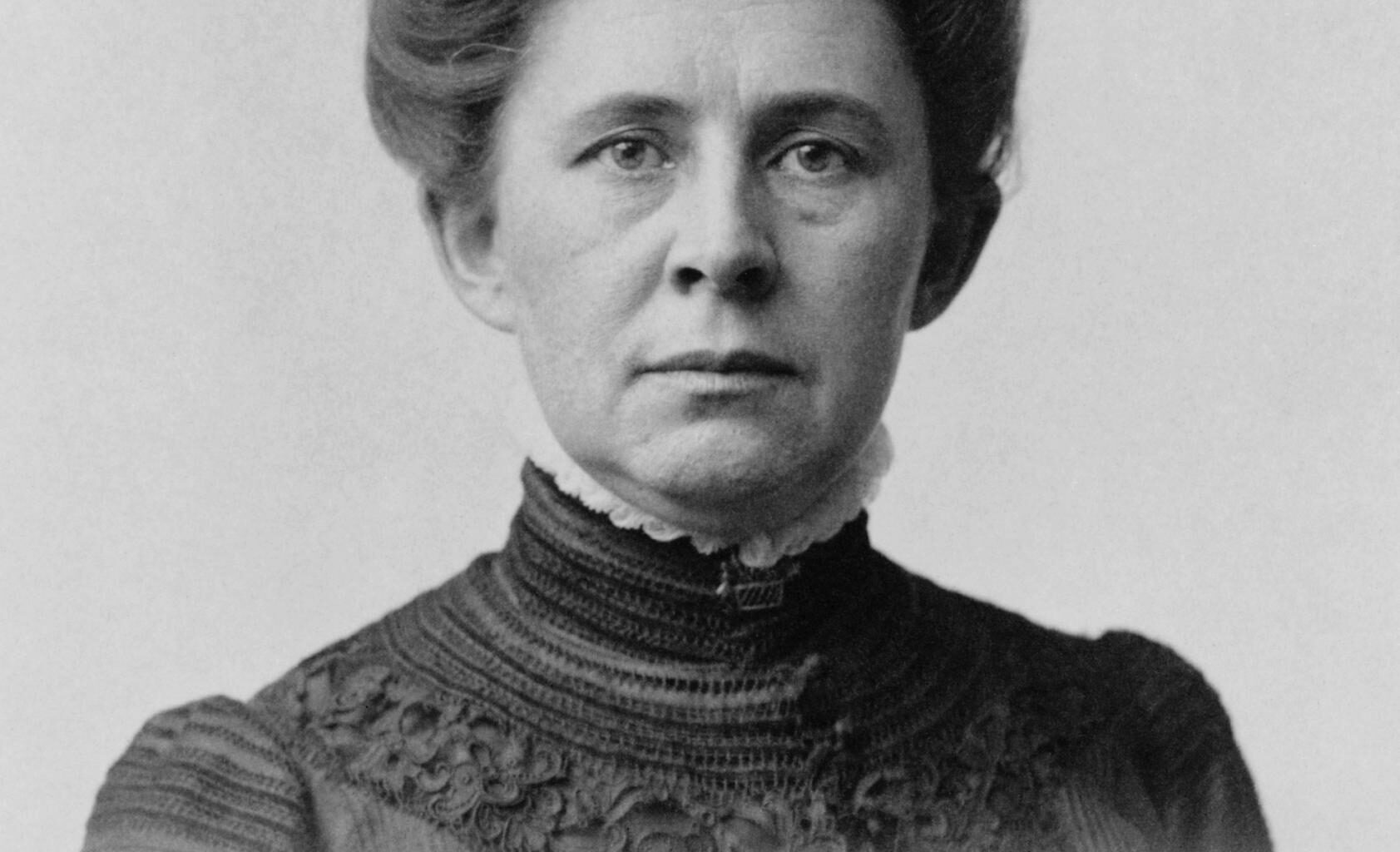
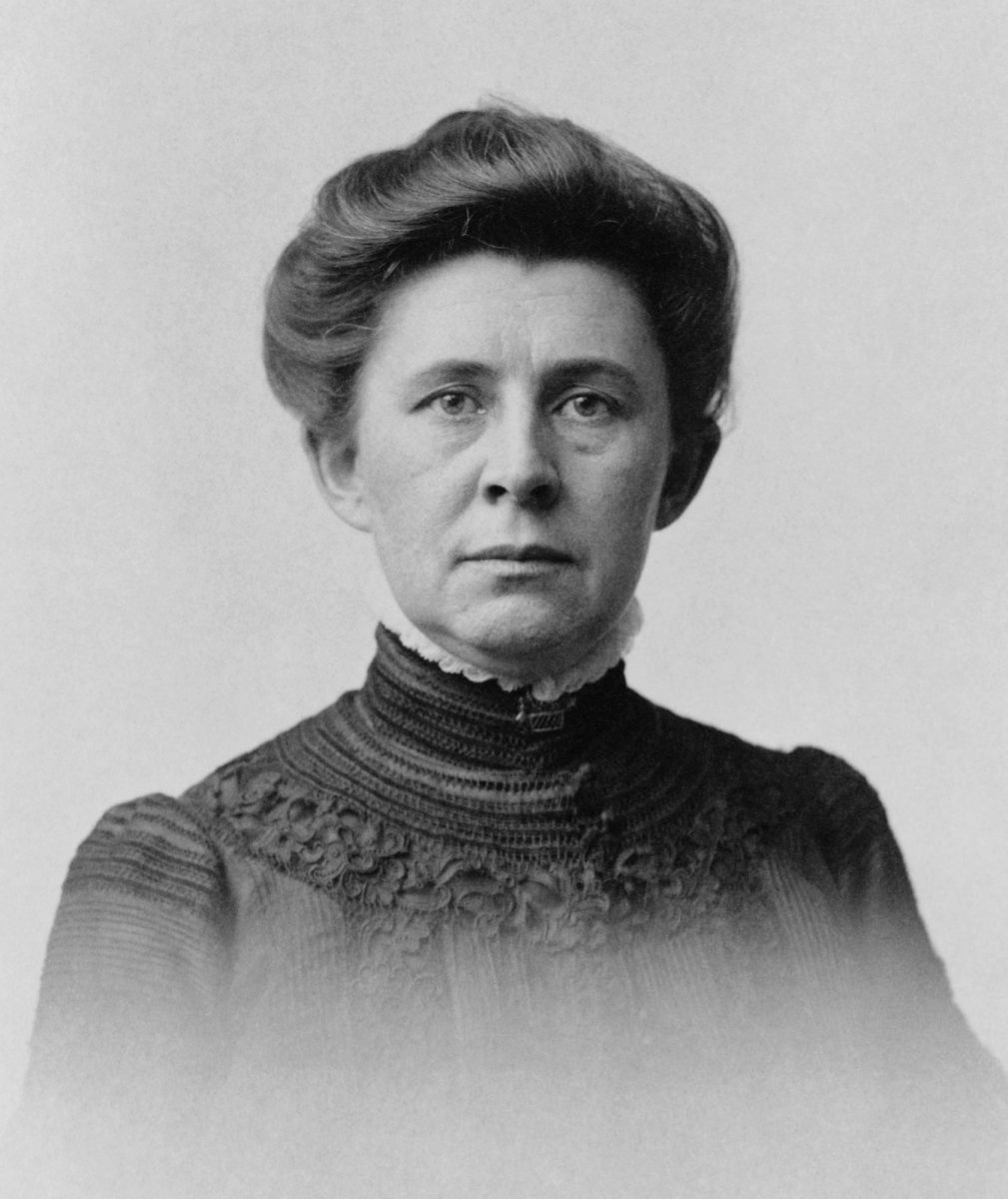
Allegheny has no shortage of notable alumni, but perhaps none are quite as remarkable as Ida Tarbell, class of 1880. The Wall Street Journal, on Sept. 7, named Tarbell as one of just six Americans who changed the course of capitalism.
Tarbell matriculated at Allegheny in 1876 as the only woman in her class. While at the college, she served on The Campus’ editorial board. After graduating, she was a member of the Board of Trustees for more than 30 years.
Tarbell was a member of a group of journalists who helped establish the field of investigative journalism in the early 1900s. In a 1906 speech criticizing writers who focused on exposing corruption, President Theodore Roosevelt coined journalists like Tarbell as “muckrakers.” The term comes from John Bunyan’s “Pilgrim’s Progress,” which describes “the Man with the Muck-rake [manure rake], the man who could look no way but downward, with the muck-rake in his hand,” according to Roosevelt in the speech. However, after Roosevelt’s usage of the term in reference to investigative journalists, it took on a new meaning.
The author of many works during her lifetime, Tarbell remained steadfastly dedicated to holding those in power accountable, homing in on the practices of business leaders and politicians. Tarbell’s most well-known piece is “The History of the Standard Oil Company,” published in 1904, about John D. Rockefeller’s industrial empire. The book was “one of the most thorough accounts of the rise of a business monopoly and its use of unfair practices; her reporting contributed to the subsequent breakup of Standard Oil, which was found to be in violation of the Sherman Antitrust Act,” according to Britannica. Works like “The History of the Standard Oil Company” played an integral role in mobilizing public support for the political and social reforms of the Progressive Era and continues to reverberate into the modern day.
Alongside Tarbell on The Wall Street Journal list are Robert Morris, who was the “linchpin” in financing the Revolutionary War; John Jacob Astor, who established America’s first monopoly, the American Fur Company; Henry Ford, who created mass production; Frances Perkins, who created safety-net and workplace-protection laws that hundreds of millions of Americans rely on today; and Sam Walton, who pioneered the big-box store.
The Wall Street Journal reported that the economic historian and vice chairman of S&P Global Daniel Yergin called Tarbell’s book “the single most influential book on business ever published in the U.S.”
Story continues below advertisement