
A Syrian tribal leader who was shot and killed during a joint US-Syrian special forces raid after intelligence reports suggested he was an Islamic State spy may have been a respected intelligence asset working for the Syrian government against Isis terrorist cells.
Khaled al-Masoud al-Badri, 36, was shot twice at his home in Al-Dumayr, northeast of Damascus, in a pre-dawn raid last Saturday. The Americans were so sure that they had killed an Isis espionage chief that Tom Barrack, the envoy to Syria and Lebanon, celebrated with a post on X that said: “Syria is back to our side.”
However, it seems likely that Badri, whose death has caused fury amongst Bedouin tribes in the central Badia region of Syria, was working against Islamic State for the intelligence wing of Hayat Tahrir al-Sham (HTS), the Islamist rebel group, which led the offensive that ousted Bashar al-Assad, the Syrian dictator, in December 2024.
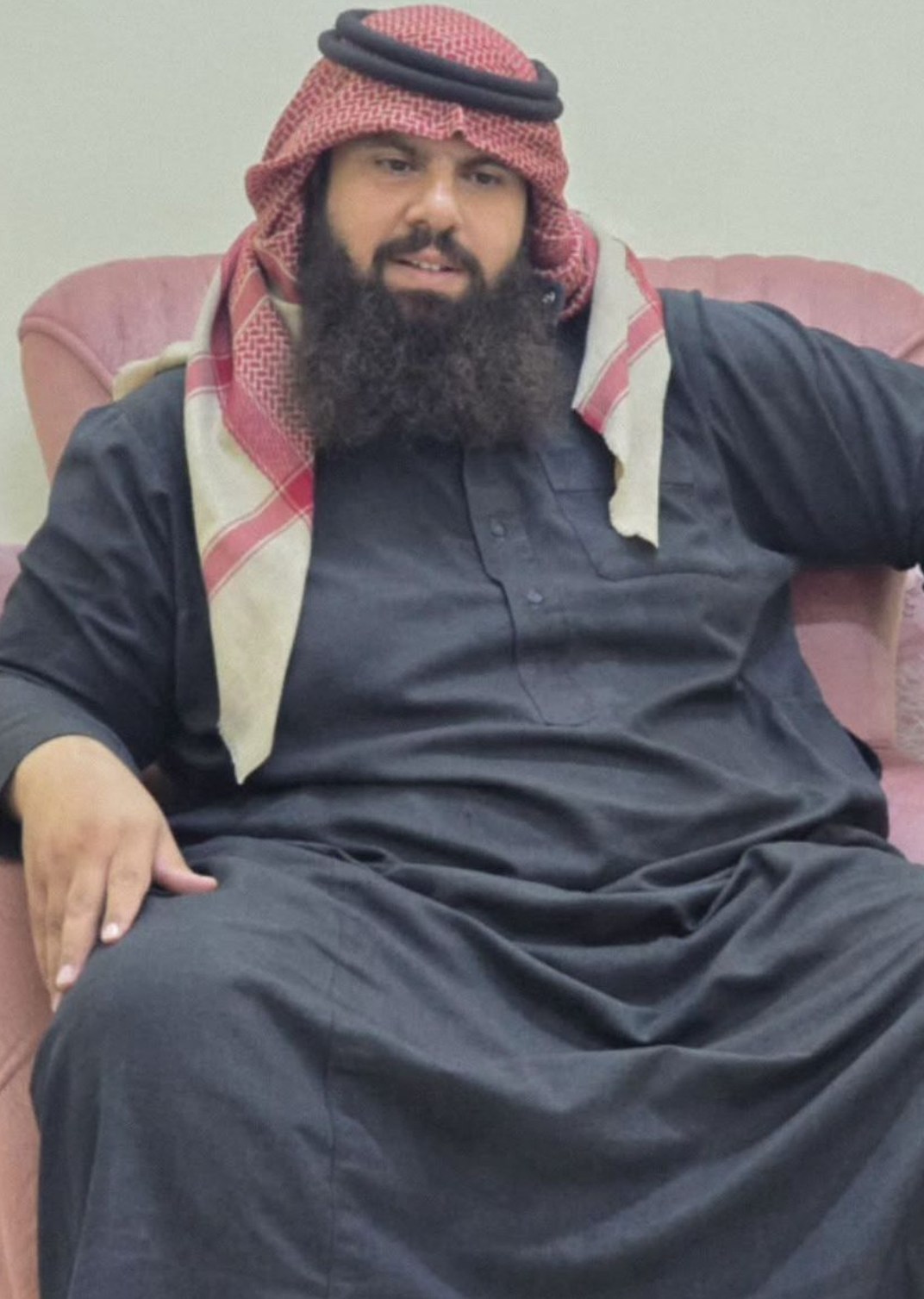
Khaled al-Masood al-Badri is thought to have been working for the Syrian government against Isis
At Badri’s wake in Al-Dumayr on Wednesday, Mohammed Abdul Aziz al-Masoud, 31, said: “My brother was no terrorist. Just the opposite. Khaled had been working for the intelligence branch of the HTS since 2018, specifically to spy on Daesh [Isis]. He was killed as enemies supplied the Americans with false reports against him.
“There is great bitterness among us. Khaled was one of our proudest revolutionaries in the fight against the Assad regime. He was the frontman of our tribe, liaising directly between our people and the government. Such is the tension now that among the Bedouin there is talk of kicking out the Americans, and attacking their patrols.”
Barrack’s tweet has not been removed from X, and neither the US-led coalition nor the Syrian government have commented publicly on Badri’s death. However, the behaviour of US and Syrian officials suggests they have realised they may have killed an ally.

Sabar Mohammed al-Sheikh al-Kelani was met by HTS officials when she went to collect her son’s body
Badri was taken to hospital in Hassakah, in northeastern Syria, by US helicopter after the raid, and died there from his injuries. When Sabar Mohammed al-Sheikh al-Kelani, his mother, and her family were called to collect his body they were met by Abu Jabar al-Shami, a senior HTS officer, who they have said apologised for Badri’s killing.
Members of the government’s security forces were present at Badri’s funeral on Monday and officials attended his wake two days later.
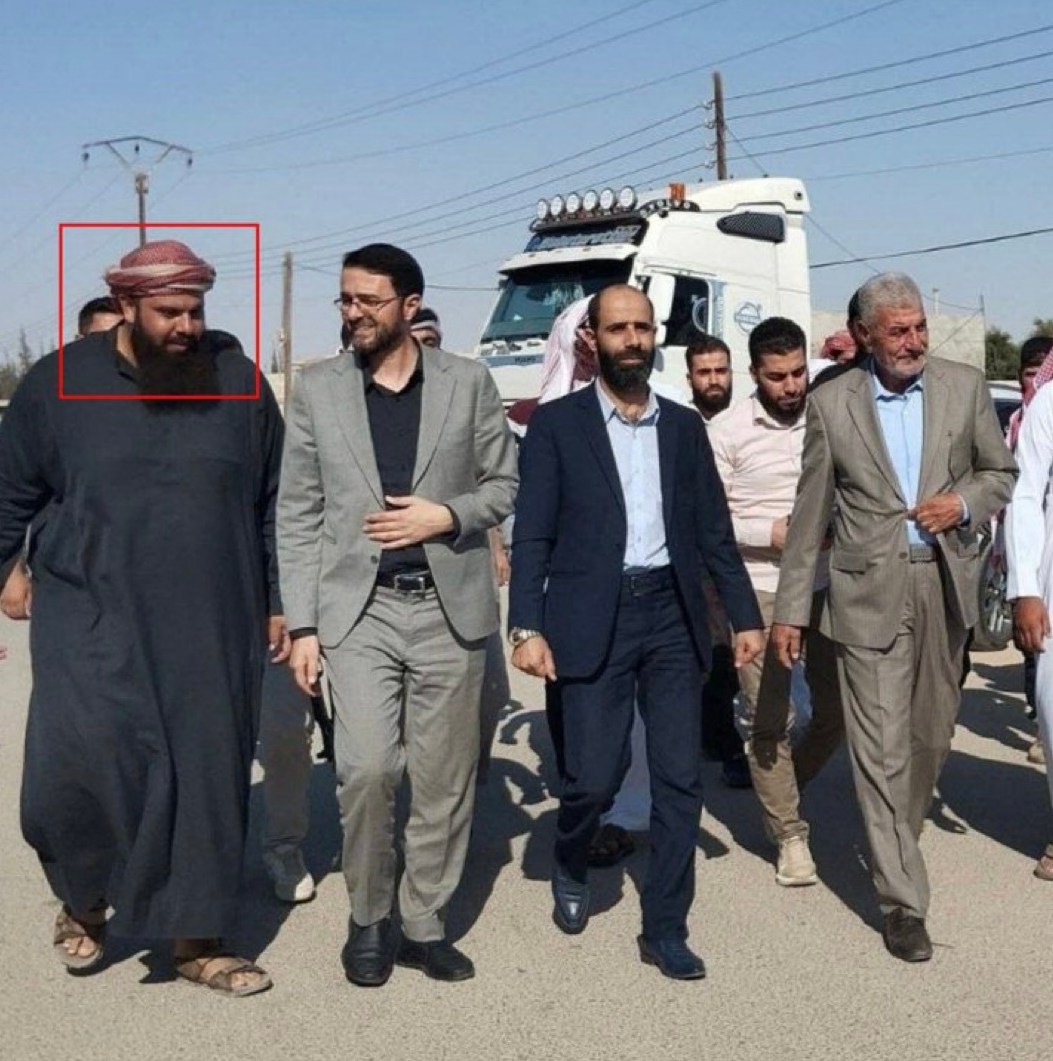
Badri with Syrian officials in Damascus
Badri’s death comes at a complex time for Ahmed al-Shara, the new Syrian president, who is trying to juggle the interests of his own revolutionary power base and those of his newfound western allies.
As the former commander of HTS, during the Syrian civil war Shara consolidated its power in the northern governorate of Idlib by defeating other militant groups and the western-backed Free Syrian Army (FSA), as well as fighting against Isis.
After HTS spearheaded the overthrow of Assad, the group was nominally dissolved to become part of state institutions, though the core command of the HTS remains the dominance force in Syria.

Ahmed al-Shara
EPA/SERGEY BOBYLEV/SPUTNIK/KREMLIN POOL
Since then, western powers have been courting Shara to join the American-led coalition against Isis. The US revoked HTS’s designation as a foreign terrorist organisation in July, and the UK followed this week. HTS had been proscribed as a terrorist group by the UK in 2017 because of its affiliation with al-Qaeda.
Nearly 2,000 American troops are in Syria conducting operations against Isis, along with a small contingent of British special forces. However, these US units are located with Syrian forces outside the remit — for the moment — of Shara’s direct control.
Most American troops are either in the northeast of the country in areas controlled by the Kurdish-led SDF, or in the Al-Tanf base in the southeast, where they are partnered with a legacy unit of the FSA.
The FSA was renamed the Special Forces of the Badia this month and technically assigned to the interior ministry. However, in practise they remain coalition assets.
In operations against Isis there is often little close co-ordination between these US-partnered Syrian units and the security forces controlled by Damascus, leading to the clouded intelligence picture in which Badri was killed. Badri appears to have been shot by a Syrian commando belonging to the FSA unit based in Al-Tanf rather than as part of a joint operation between American special forces and a Damascus unit, as was suggested by Barrack on X.
Witnesses to the raid said that a column of American troops in Humvees had led FSA special forces in pick-up trucks to Badri’s house, where the FSA troops tried to break into his front door. Badri shouted that he was an intelligence officer with the government, but he was shot in the upper abdomen and leg by an FSA commando who had climbed onto the roof.
Much of the anger has been focused on the budding relationship between Damascus and Washington and the greater issue of identifying shared friends and common foes.
Sami Khaled al-Massoud said: “The FSA in al-Tanf are a bunch of thugs and mercenaries who do the dirty work of the Americans and assassinate people for $400 dollars a month. They get paid money by the Americans to send in false intelligence reports and get people killed. There is a fear among many of our veteran rebels that our voices count for nothing any more, that we are being sold out to the Americans as part of a new agenda.”