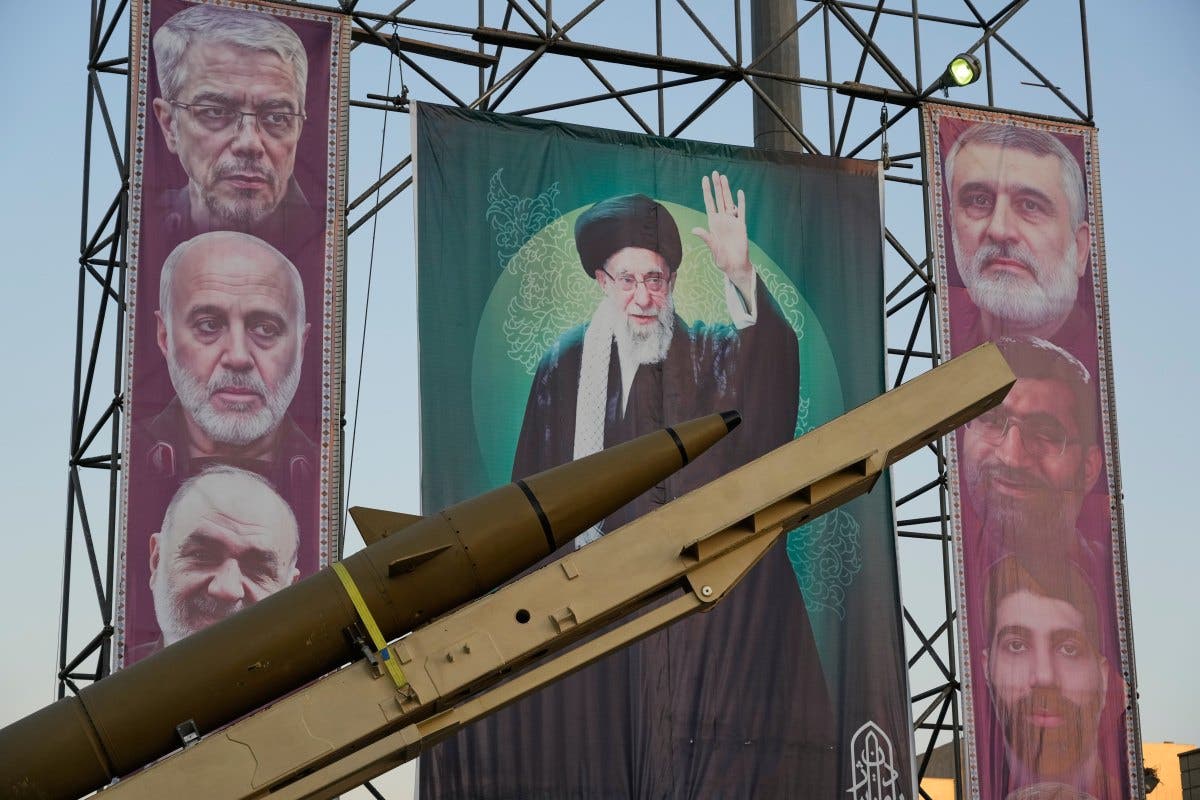
China is boosting Iran in rebuilding its missile program, despite Western sanctions, according to a new report by CNN citing European intelligence sources.
Newsweek has reached out to the Chinese and Iranian foreign ministries for comment.
Why It Matters
Reports have indicated that Iran is seeking to rebuild its missile program after Israel attacked missile and nuclear facilities in a 12-day war in June, during which the United States also bombed three of its major nuclear facilities. Iran has turned to longtime allies China and Russia in the aftermath of the war and to mitigate the results of Western sanctions that followed, amid failure to negotiate new nuclear agreements.
Iran had launched extensive missile attacks during the conflict into Israeli territory as well as on the Al-Udeid military base in Qatar, the U.S.’s largest in the Middle East.
U.S. Secretary of State Marco Rubio said in September that Iran potentially acquiring nuclear weapons and its missiles that “could deliver those weapons far away is an unacceptable risk.” Tehran dismissed his criticism of its missile program.
 What To Know
Since the end of September, Iran has reportedly received from China 2000 tons of sodium perchlorate, a missile fuel precursor, enough for roughly 500 ballistic missiles, CNN reported on Wednesday. In February, CNN reported the shipment of 1,000 tons of sodium perchlorate from China to Iran.
An August report from Israeli media has warned of increased military cooperation between Iran and China in the production of surface-to-surface missiles, also citing European intelligence agencies tracking the cooperation.
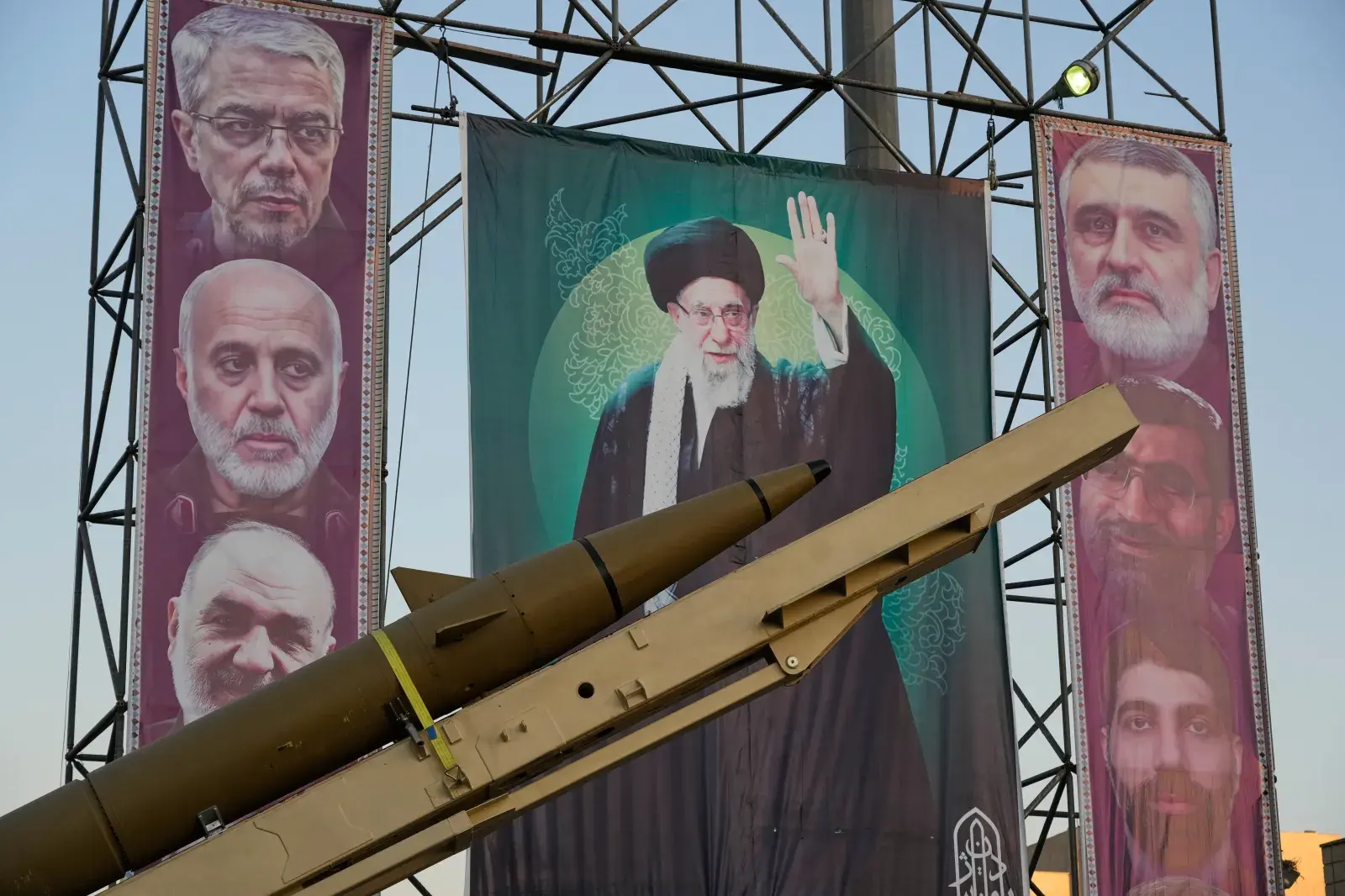
Since the end of the conflict with Israel, Iran has signaled that it has built a new generation of advanced missiles that are ready to be used against Israel if there is another attack. Iran carried out suspected missile system tests and unveiled last week a video showing an underground restored and upgraded missile arsenal.
Iran announced it is no longer bound by the 2015 Joint Comprehensive Plan of Action (JCPOA), which limited its nuclear program in exchange for sanctions relief. The JCOPA expired in October.
What People Are Saying
Jeffrey Lewis, director of the East Asia Nonproliferation Project at the Middlebury Institute of International Studies, told CNN: “Two thousand tons of sodium perchlorate are only enough for about 500 missiles. That’s a lot, but Iran was planning on producing something like 200 missiles a month before the war and now must replace all the missiles that either Israel destroyed or it used.”
Iran’s Foreign Ministry spokesman Esmaeil Baqaei said in September: “The United States is in no position to make decisions about Iran’s national defense capabilities.”
What Happens Next
Iran’s continued advancement of its missile program could likely become a new source of tensions with Israel and the U.S. amid a fragile ceasefire holding.