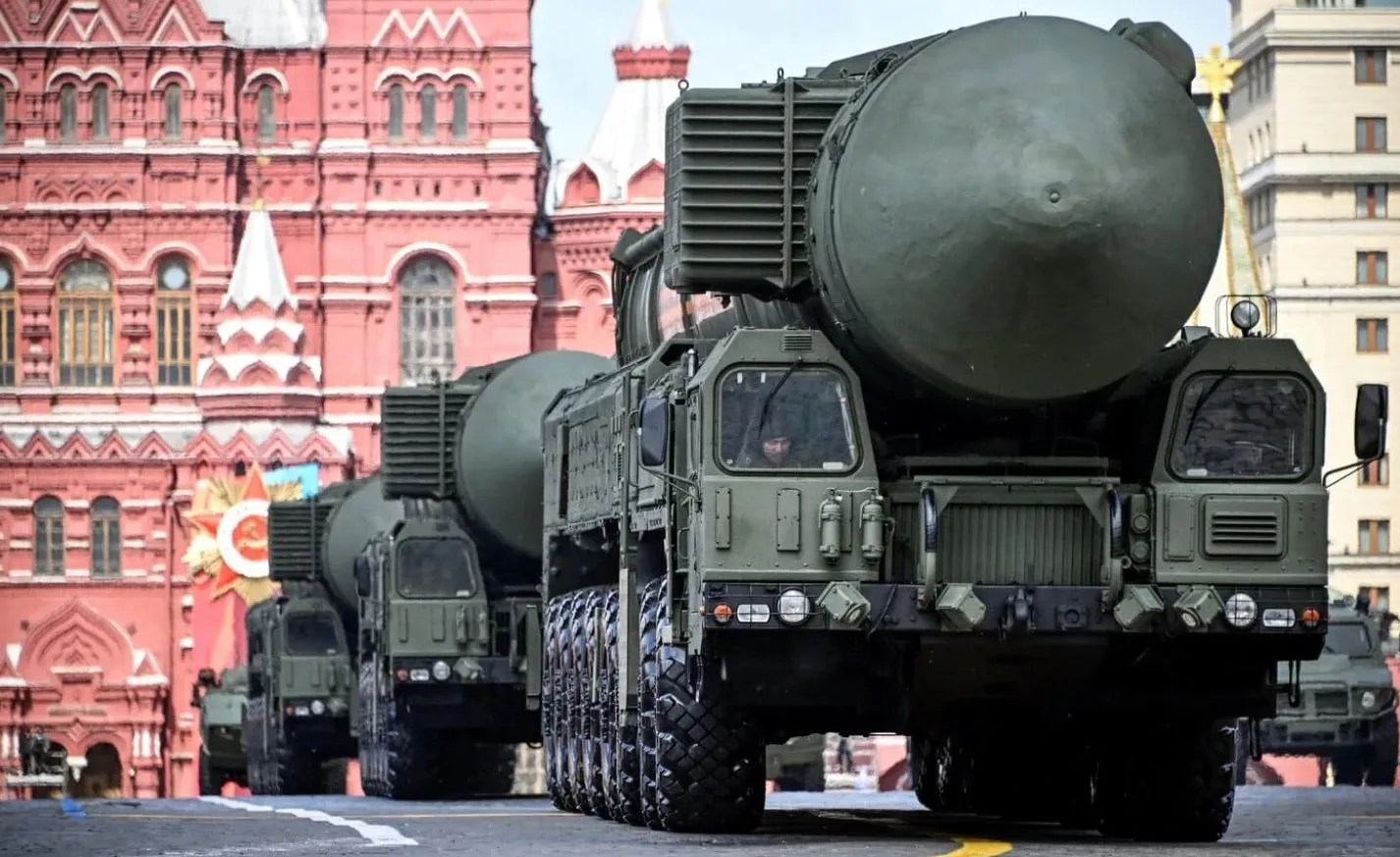
Belarus will serve as the stage next December for the redeployment of Russia’s Oreshnik intermediate-range hypersonic missile system, according to Russian media citing Natalya Eismont, spokesperson for Belarusian President Alexander Lukashenko. Eismont stated that preparations for the deployment are currently in their final stage.
Previously, Lukashenko had said that the decision to deploy the system was in response to what he described as an escalation by the West. The Oreshnik missiles had already taken part in joint military exercises between Russia and Belarus last month.
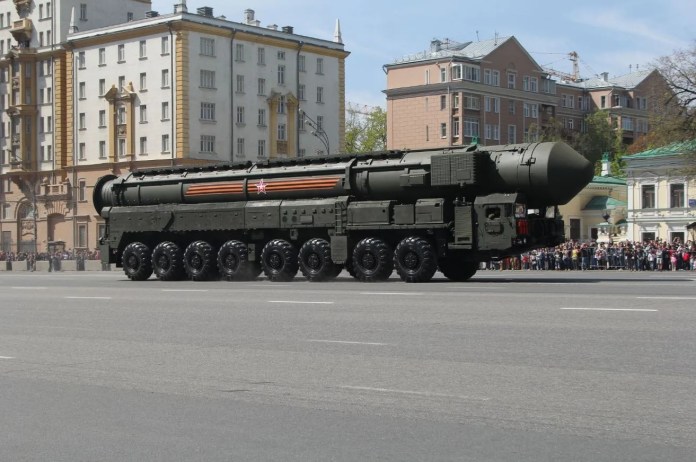
Looking back at its background, Russia used the Oreshnik missile —“hazelnut” in Russian— for the first time in November 2024 against a defense plant in the Ukrainian city of Dnipro. At that time, Russian President Vladimir Putin claimed to have authorized the strike in retaliation for Ukraine’s use of U.S. and British long-range missiles on Russian territory. The president later warned that further attacks could be carried out, including on “decision-making centers” in Kyiv, should such actions continue. Putin also asserted that the Oreshnik was impossible to intercept and possessed a destructive power comparable to that of a nuclear weapon, though Western experts have cast doubt on those claims.
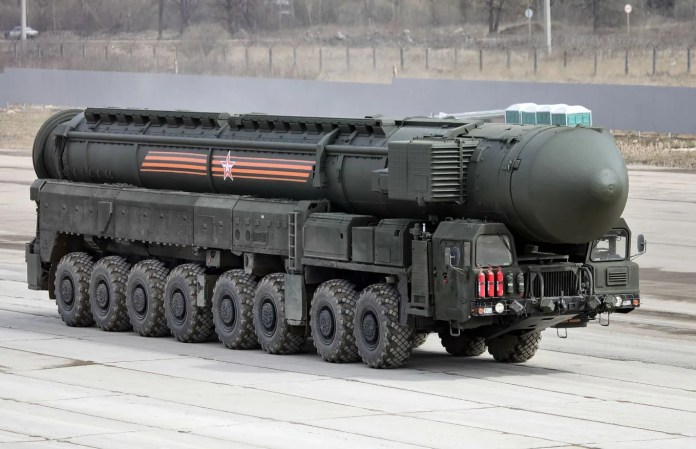
Between September 12 and 16, Belarus hosted the joint military exercise Zapad 2025, which included the participation of Russian Armed Forces. During the drills, troops practiced planning for the use of non-strategic nuclear weapons and the deployment of the Oreshnik missile system. The Chief of the General Staff of Belarus and First Deputy Minister of Defense, Pavel Muraveiko, stated that “all assigned tasks were practiced. Among other milestones, I can highlight the planning and consideration of the use of non-strategic nuclear weapons, as well as the evaluation and deployment of the Oreshnik mobile missile system.”
Muraveiko emphasized that the participating forces employed various types of unmanned aerial vehicles and analyzed combat scenarios in populated areas, forests, swamps, and urban environments. “Our Russian colleagues shared their combat experience with us, which allows us to say that our units are now receiving the latest updates and information applicable to combat situations,” he added.
For his part, Belarusian Defense Minister Viktor Khrenin had previously announced that Russia would deploy the Oreshnik system during the exercises, along with drills related to the use of nuclear weapons. “This is an important element of our strategic deterrence. As required by the Head of State, we must be ready for anything. We see the situation on our western and northern borders and cannot calmly watch the militarization and military activity taking place there. We demonstrate openness and a peaceful stance, but we must always remain safe,” he stated.
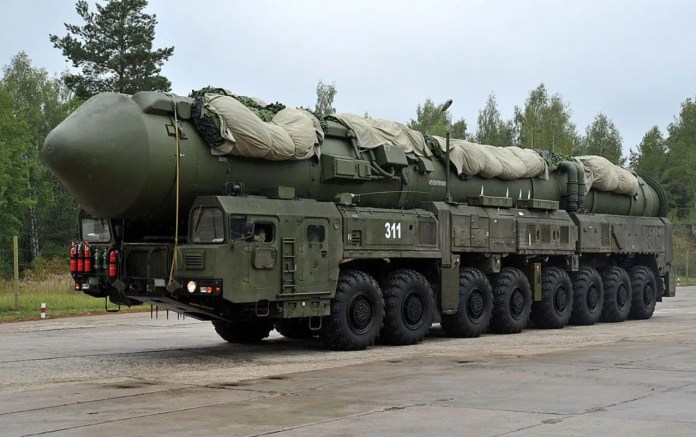
Last June, President Putin confirmed the start of serial production of the Oreshnik system during a meeting with military graduates. “Serial production of the new intermediate-range Oreshnik missile system, which has proven its combat effectiveness, has begun,” he said. Although production volumes and delivery timelines for the Strategic Missile Forces were not specified, the missile had already seen its first operational use in the conflict with Ukraine, when it was launched with a non-nuclear warhead against a military plant in Dnipro in response to U.S.- and U.K.-made ATACMS and Storm Shadow missile strikes.
Images for illustrative purposes only.