Published on
November 3, 2025

The economy of South Karelia, a region in Finland that has long benefited from cross-border trade and tourism with Russia, has taken a dramatic turn for the worse following Finland’s closure of its border to Russians in late 2023. The border closure has meant South Karelia lost some 1 million euros in tourist revenues each day, with numerous local businesses struggling to survive without the steady influx of Russian visitors that once fueled the local tourism economy.
The Impact of the Border Closure on South Karelia’s Tourism Sector
The closure of the border, particularly the 1,430 km land border between Finland and Russia, has drastically reduced the number of Russian tourists traveling to South Karelia. For decades, Russian visitors were a key part of the region’s tourism sector, contributing significantly to retail, hospitality, and local attractions. The sudden loss of this tourist segment has caused local businesses—from hotels and restaurants to retail shops—to face major challenges, with many establishments left deserted due to a lack of customers.
The closure has particularly affected towns like Imatra, known for its tourist-friendly amenities and natural attractions like the Vuoksi River and Lappeenranta. Before the border closure, South Karelia was a popular cross-border shopping destination for Russian tourists, many of whom traveled to buy goods and enjoy the low prices in Finnish retail shops. With the absence of Russian customers, local stores are struggling to stay afloat, and many, like Sari Tukiainen’s store, have already closed or are set to shut down due to declining sales.
Declining Visitor Numbers and Job Losses in the Region
The lack of Russian tourism has also had a ripple effect on local employment, particularly in tourism-dependent jobs. The unemployment rate in Imatra has surged to 15%, the highest in Finland, with mills and steel plants cutting jobs due to declining demand. The service sector in South Karelia—which relied heavily on Russian visitors—has been one of the hardest-hit sectors, with many people losing jobs or facing reduced working hours. This economic downturn in South Karelia underscores the region’s dependence on cross-border tourism and highlights the vulnerability of tourism-based economies to geopolitical shifts.
Tourism Losses and the Struggle of Local Retail Businesses
For local retailers, the situation has been especially dire. Before the border closure, Russian tourists were known for buying in bulk, often purchasing the latest fashion items, electronics, and winter wear, particularly in the town of Imatra. Sari Tukiainen, who operates a local retail shop, noted that Russian shoppers would often buy clothes in stacks, contributing significantly to her sales. Without this steady clientele, businesses like hers are facing closing down, unable to sustain themselves on the decline in customer numbers.
In Sari Tukiainen’s words, “Russian customers asked why we couldn’t stay open around the clock. They bought clothes in stacks—mostly the latest fashion and bling, but even winter coats were sold out by August.” These lost sales have left stores struggling to keep their doors open and are exacerbating the region’s economic difficulties.
Tourism’s Role in Regional Economic Development
Tourism has historically played a vital role in the economy of South Karelia, driving not only retail but also supporting accommodation, local events, and cultural activities. With Russian tourists once accounting for a large share of visitors, the region is now facing the challenge of diversifying its tourism offerings and targeting new international markets to fill the gap left by Russian visitors.
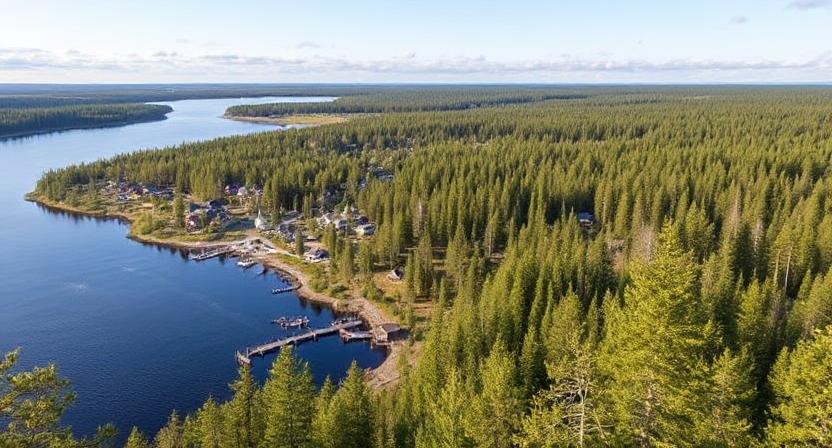
One of the most important tourism-related sectors in South Karelia has been cross-border shopping, where Russian tourists would travel to Finland for affordable goods. However, Finland now needs to find ways to attract new international tourists and domestic visitors. Expanding eco-tourism, wellness tourism, and cultural tourism is one way South Karelia is working to diversify its offerings, helping local businesses tap into new, sustainable tourism segments.
Looking to the Future: Adapting South Karelia’s Tourism for Growth
As South Karelia adapts to the changing tourism landscape, local authorities and businesses are focusing on rebuilding tourism through new promotional campaigns, digital marketing, and eco-friendly tourism initiatives. The region is exploring ways to attract European and international tourists, with a focus on showcasing the natural beauty, outdoor adventures, and Finnish culture that South Karelia has to offer. Local tourism organizations are looking to promote heritage tours, nature hikes, and wellness retreats, while focusing on sustainability and authentic experiences that will appeal to a global market.
At the same time, local businesses in the region are being encouraged to adapt to the post-pandemic tourism environment by focusing on online services, local products, and destination packages that will attract new visitors while maintaining the local spirit and culture that makes South Karelia unique.
Diversifying and Strengthening South Karelia’s Tourism Market
The closure of the border with Russia has had significant economic impacts on South Karelia, underlining how much the region depends on Russian tourism. Yet, the challenges brought about by this situation also offer new opportunities for innovation in tourism and business in the region. South Karelia will need to look toward tourism diversification, international visitors, and ecotourism to rebuild its tourism economy and ensure that it remains relevant into the future.
The decline in the number of Russian tourists might have led to a blow within the local tourism sector, but through creative strategies and a focus on sustainability, the region may reclaim its position as one of the favorite destinations for nature lovers, culture enthusiasts, and adventure-seekers in years to come.
