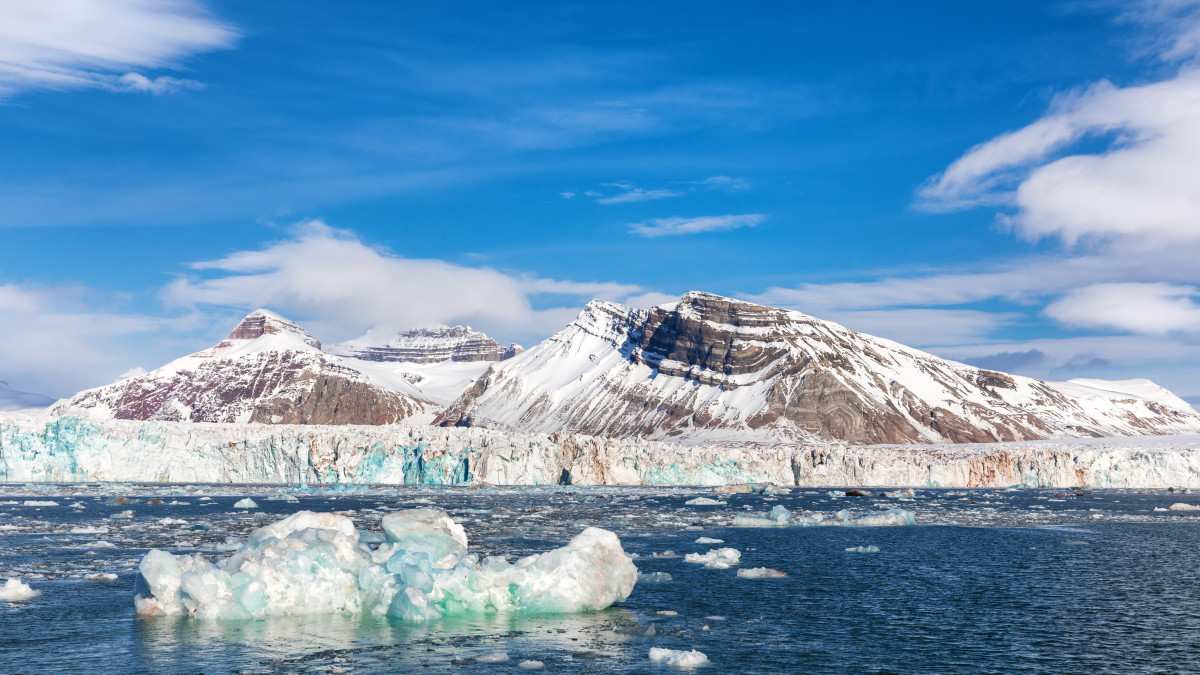
The research results, published in the journal Scientific Reports, show that Kongsfjorden acts as a natural reservoir for greenhouse gases. Thanks to a new model, it was possible to precisely track the flows of nitrogen and carbon in the water.
Pedro Duarte from the Norwegian Polar Institute emphasizes that the fjord absorbs more of these substances than it releases. If a similar phenomenon occurs in other parts of the Arctic, it could be beneficial for the climate and ecosystems. Scientists describe Kongsfjorden as a “living laboratory” that allows them to observe changes in nature faster than in other regions of Svalbard.