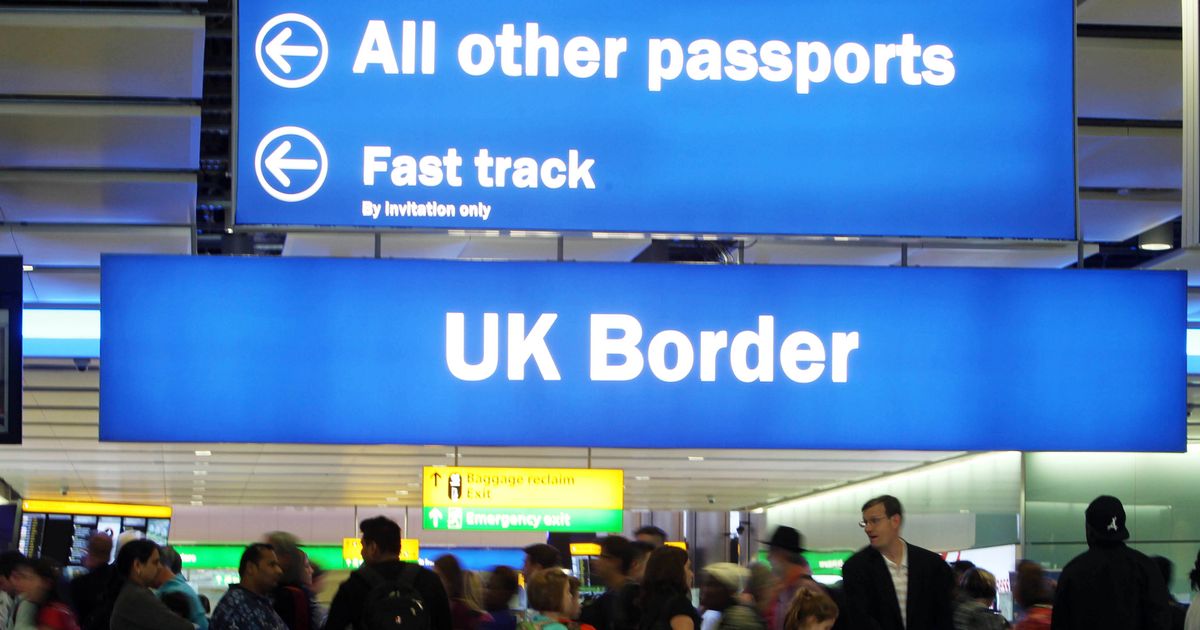
A new entry and exit system has started in EU countries(Image: PA)
UK travellers are being urged to brush up on new EU border rules that started in October. The Entry/Exit System (EES) is now being rolled out across European countries.
However many holidaymakers may still be unaware of the recent changes. Experts are asking people to do their research and allow plenty of time at the airport.
Although EES became operational on October 12, European countries in the Schengen area are introducing the system gradually at their external borders. Full implementation is expected to be complete by April 2026. This comes as people visiting Portugal were warned they could face fines of up to £1,570 for breaking certain rules in Albufeira, as reported by ChronicleLive.
Regarding the EES system, Paul Paddock, CEO of Post Office Insurance at Post Office, has answered key questions to help UK travellers. His advice is outlined below.
What is the EES?
The Entry/Exit System (EES) is a new digital border control system for non-EU nationals entering the Schengen Area for short stays (up to 90 days in any 180-day period). It replaces manual passport stamping with electronic registration, improving border security and efficiency. Brits travelling to countries such as Spain, Portugal and Greece will now need to be prepared to have their passports scanned and biometric data taken at border control the first time they enter.
What data is being collected and for how long?
Biometric data including your facial image (all travellers) and fingerprints (visa-exempt travellers only) will be taken. The system will also be able to capture passport details, entry and exit dates and locations, and the duration of stay. Data will be kept for three years for standard entries/exits or five years if you overstay.
Are there any exemptions?
The EES does not apply to EU/EEA/Swiss citizens, non-EU nationals with specific residence permits, and Monaco, Andorra, San Marino, Vatican nationals. Ireland and Cyprus are not part of the Schengen area where the system applies, so UK nationals travelling there will continue to be checked and stamped manually. It’s important to note that children under 12 will only have their facial image taken, not their fingerprints.
How does EES work?
Travellers entering for the first time will undergo biometric registration at border kiosks or e-gates. This includes the system capturing a facial image, fingerprints (if visa-exempt), passport details, and entry/exit information.
For subsequent visits, the process will be faster due to the data already being stored. It’s important to note that no pre-registration is required – registration happens at the border during your first entry.
Passengers may be impacted by facing longer queues initially due to biometric data collection, a process expected to take several minutes per person. Passengers should be encouraged to plan contingency options if travelling on a tight schedule (alternative routes or transport), as any teething problems or incomplete information could cause delays to miss flights, ferries, or connections.
Checklist for travellers
Before you go away, Paul recommends a checklist:
1. Check your passport expiry date (must be valid for at least three months after your trip for EU countries)
2. Know your entry airport’s EES setup (expect biometric checks)
3. Keep essential travel documents easily accessible, including passports, travel insurance, accommodation confirmation, and proof of onward or return travel